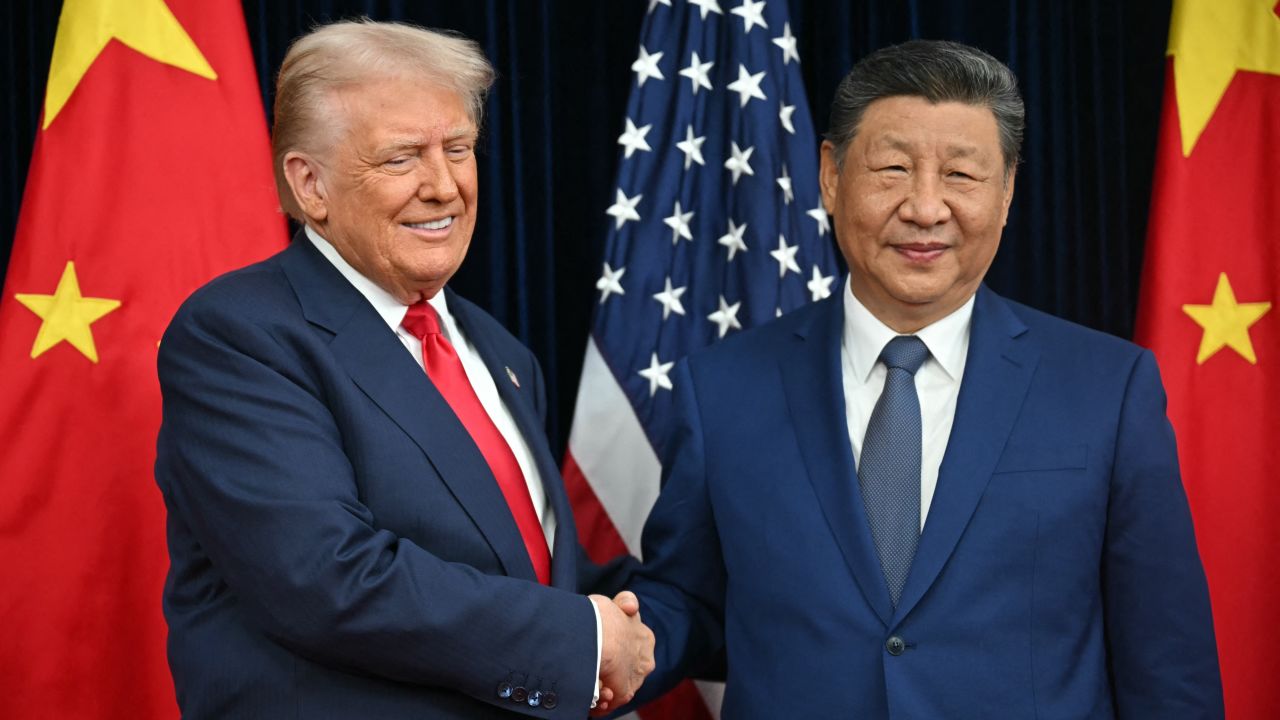
You'd think a state banquet featuring goose-stepping soldiers and a tour of the Temple of Heaven would buy a little diplomatic peace. Not with these two. Donald Trump and Xi Jinping just wrapped up their high-stakes summit in Beijing, and the vibe was... weird. Trump spent his time praising Xi as a "great leader" and gushing over how "beautiful" China is. Meanwhile, Xi was busy drawing a line in the sand that could lead to the next global meltdown.
The "Taiwan question" is back at the center of the world stage. It’s not just some abstract diplomatic debate anymore. It’s a ticking clock.
Xi's ultimatum and the fire and water problem
While Trump played nice for the cameras, the Chinese readout of their private meeting was anything but friendly. Xi didn't mince words. He told Trump that the Taiwan issue is the "most important" thing between the two countries. Then came the kicker. He described Taiwan independence and cross-Strait peace as "irreconcilable as fire and water."
Basically, he’s saying you can’t have both.
Xi warned that if this isn't handled properly, we're looking at "clashes and even conflicts." That’s a massive escalation in rhetoric. It’s a direct threat leveled at a sitting U.S. President. China's foreign ministry spokesperson, Mao Ning, doubled down on this, claiming the entire relationship is in "great jeopardy."
Trump’s strategic silence isn't an accident
The weirdest part of this summit? Trump didn't say a word about Taiwan in public. He dodged every question from reporters. He pivoted to talking about how much he likes the architecture.
Don't mistake that for him being clueless. Trump is a transactional guy. He’s currently juggling a $14 billion arms sale to Taiwan—a record-breaking deal that he still hasn't pulled the trigger on. He’s also trying to get Xi to help out with the mess in Iran and get them to buy more American soybeans and beef.
He's keeping his cards close to his chest because, to him, Taiwan is a bargaining chip. That terrifies folks in Taipei and Washington alike. They're worried he might trade Taiwan's security for a "beautiful" trade deal or some help with oil prices.
What Marco Rubio is trying to fix
Secretary of State Marco Rubio spent the flight back trying to do damage control. He told NBC that the U.S. position hasn't changed. He called a potential Chinese invasion a "terrible mistake." But Rubio’s tough talk sounds different when his boss is calling the guy threatening the invasion a "great friend."
There's a massive gap between the State Department's "business as usual" stance and Trump’s "let’s make a deal" energy. China knows this. They’re betting they can use that gap to squeeze concessions out of Washington.
The Pax Silica and the chip factor
Why does any of this matter to you? Look at your phone. Look at your laptop.
The U.S. and Taiwan signed the Pax Silica Declaration in January 2026. It’s basically a pact that says Taiwan’s semiconductors are vital to the AI race. Taiwanese companies have pledged $250 billion to invest in U.S. tech. Taiwan is currently spending over 3% of its GDP on defense, aiming for 5%.
They’re doing exactly what Trump always says he wants allies to do: paying their own way. But the Trump administration is also pushing hard to move chip manufacturing to U.S. soil. The goal is 40% domestic production by the end of his term. This "onshoring" is actually making people in Taiwan nervous. They’re starting to wonder if the "silicon shield"—the idea that the U.S. must protect Taiwan to keep the chips flowing—is starting to crack.
What happens next
This wasn't a one-off meeting. Xi is headed to the White House in September. They have four meetings planned for this year. China wants Trump to move from "not supporting" Taiwan independence to actively "opposing" it. It sounds like a small change in wording, but in the world of diplomacy, it’s an earthquake.
If you’re watching this play out, don’t get distracted by the photos of state banquets or the talk about "great relationships." Watch that $14 billion arms deal. If Trump delays it again or scales it back after his next talk with Xi, that’s your sign that the "fire and water" warning is working.
Keep an eye on the Strait of Hormuz too. If China starts helping the U.S. with the Iran oil crisis, you can bet the price was paid in Taiwan.
Get ready for a rocky few months. The diplomacy is getting louder, the threats are getting more specific, and the "beautiful" friendship between Trump and Xi is being tested by the reality of a self-ruled island that neither man can afford to lose.