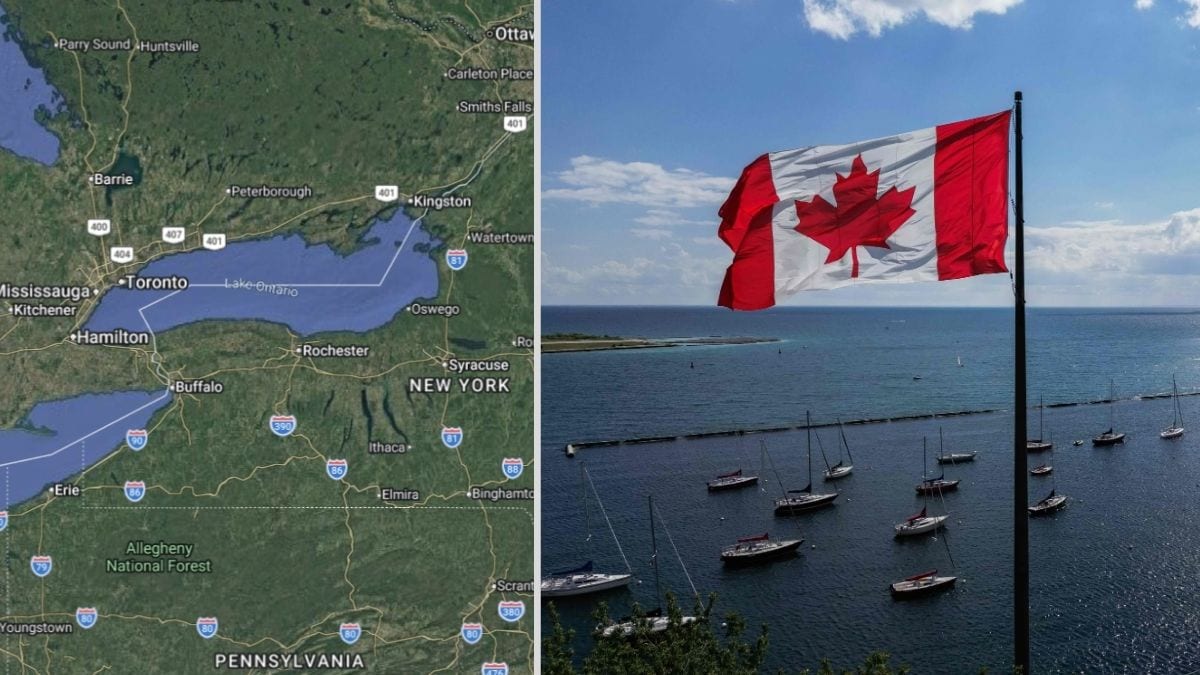
You can change the text on a domestic map, but you can't rewrite four centuries of shared geography with a stroke of a pen. When the White House issued an executive order directing interior officials to scrub maps of Lake Ontario and replace it with "Lake America," the reaction north of the border wasn't panic. It was an eye-roll mixed with genuine exhaustion.
Trade talks had just cratered. Tariffs on Canadian goods were landing, and instead of hammering out policy details, the administration opted for a bureaucratic cartography stunt. It is a textbook example of political theater, but it completely misunderstands why neighbors push back when you mess with their backyard.
The Reality Behind the Executive Order
The directive gave Interior Secretary Doug Burgum and the Board on Geographic Names a thirty-day window to update domestic federal databases and strip away references to Lake Ontario. Sounds dramatic on paper. In practice, it holds zero weight outside U.S. borders. International mapping services, global shipping bodies, and everyday citizens aren't changing a thing.
Prime Minister Mark Carney didn't even blink hard when addressing the stunt. He pointed out the obvious history that Twitter posts can't erase. The name originates from the Wendat word Ontari'io, translating directly to "the lake is big, the lake is beautiful". That linguistic root predates the United States Declaration of Independence and the Canadian Confederation by centuries.
Ontario Premier Doug Ford kept his response even shorter, telling reporters it remains Lake Ontario to Canadians and the rest of the world, now and forever.
Why This Trade War Tactic Fails
This isn't the first time an administration tried a branding exercise to score domestic political points during a trade dispute. Back in January 2025, a similar order targeted the Gulf of Mexico, attempting to relabel it the Gulf of America. Most people outside a partisan rally still call it what it has always been.
When you treat international borders like a branding board game, you lose the room. Communities hugging the northern shore—from Oakville to Hamilton—watched the news with a mixture of disbelief and stubborn dismissal. Local residents noted that an executive order from Washington doesn't change the water they look at every morning.
Trade wars cause real economic pain. They disrupt supply chains for steel, aluminum, and everyday household items. Pretending a body of water has a new moniker does nothing to lower the price of groceries or resolve cross-border logistics. It just hardens resolve on the other side of the border.
What Actually Happens Next
Domestic U.S. agencies will update their internal software inventories to comply with the order because they legally have to. Federal cartographers will swap out labels in digital databases. That is where the impact stops.
Global shipping lanes will keep using traditional charts. Canadian municipalities will keep their waterfront signage untouched. International bodies will ignore the change entirely because geography isn't dictated by executive fiat.
If you're tracking cross-border relations right now, look past the headlines about renaming landmarks. Watch the actual tariff escalations and retaliatory measures taking shape in Ottawa and Washington. That is where the actual friction lives, long after the novelty of a new map label fades into obscurity.