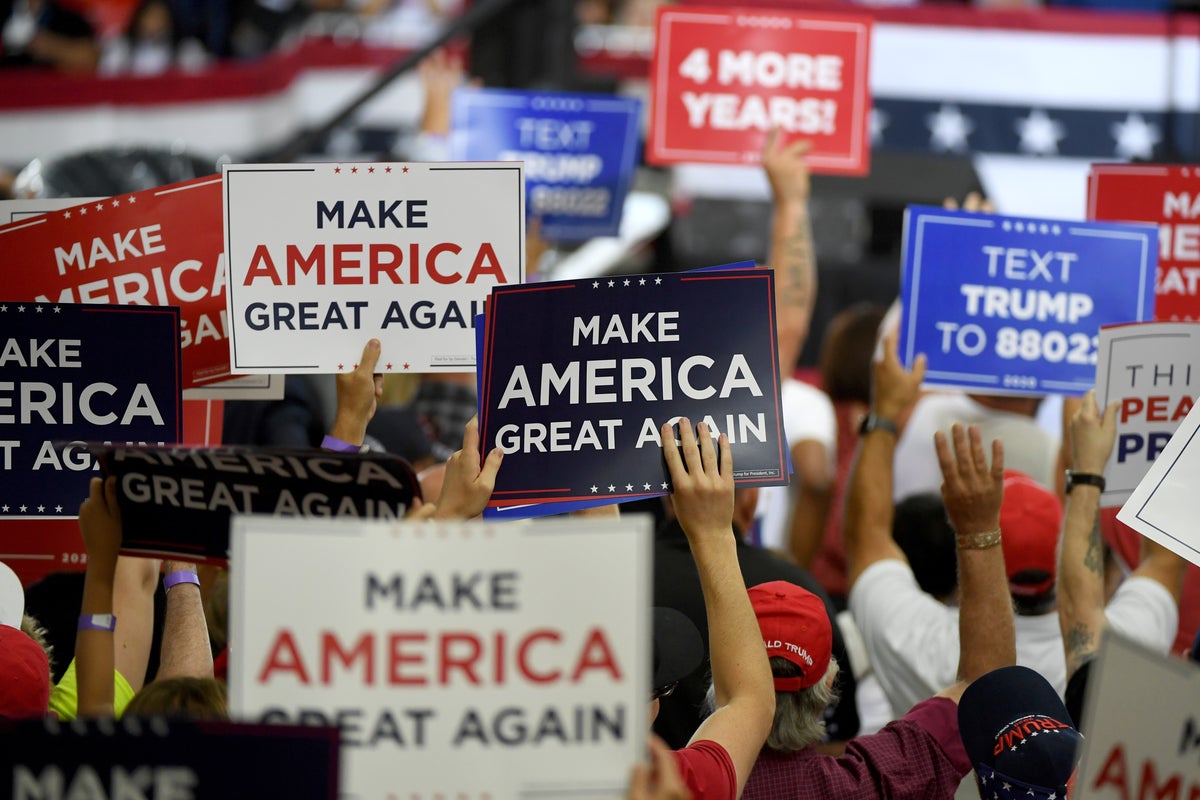
Cracks are spreading deep inside the Grand Old Party. When a political titan starts shedding approval from his own loyalists, everyone in Washington pays attention. Recent polling data reveals that Donald Trump's backing among registered Republicans has slipped to historic lows. It is a stark shift for a figure who spent years commanding near-unanimous fealty from the conservative base.
You might think partisan loyalty is unbreakable. It isn't. Bread-and-butter anxieties have a funny way of superseding party badges. When grocery bills climb and gas prices surge past comfort levels, political romance fades fast. For a deeper dive into similar topics, we recommend: this related article.
The Numbers Behind the Republican Slide
Let us look at the actual data rather than the political spin. Recent surveys from major outfits like CNN/SSRS place Trump's approval rating among Republicans down to around 78%. While a seventy-eight percent approval might sound comfortable to an outsider, inside GOP politics, it represents an unprecedented soft spot. Enthusiasm numbers tell an even harsher story. Only a fraction of Republicans now report feeling genuinely enthusiastic about the current trajectory of the administration, down dramatically from previous highs.
Why are cracks forming now? Economy and foreign entanglements sit at the core. Escalating costs of everyday goods, coupled with ongoing military tensions in the Middle East, have alienated voters who expected immediate relief after the 2024 election. Inflation doesn't care about party registration. To get more context on this development, detailed analysis is available at BBC News.
What the White House Misses
Politicians often assume that base voters will forgive policy missteps if the cultural rhetoric stays sharp. That strategy works until kitchen-table math gets too brutal to ignore. Working-class families who powered the populist movement expect results on the cost of living. When those results stall, frustration builds.
Polling breakdowns from institutions like Quinnipiac and UMass Amherst show similar downward trends among key demographics. Men, working-class households, and suburban moderates who leaned right are voicing open reservations. They aren't necessarily jumping ship to the opposition party. Instead, they are moving into a state of quiet discontent. That apathy can devastate turnout during upcoming midterms just as effectively as a direct defection.
Navigating the Political Fallout
If you are watching modern political trends, this shift offers a clear lesson. Party discipline is transactional. Voters reward leaders who solve immediate problems. When external pressures compound, foundational support weakens.
Pay attention to how local GOP candidates handle these numbers. Some will tie themselves closer to the executive branch, betting that core loyalty remains solid enough to weather the storm. Others will quietly distance themselves, focusing strictly on local economic issues and state-level governance. Watch the primary races. They will tell you whether this dip is a temporary blip or the start of a permanent realignment within conservative politics. Keep your eyes on the upcoming district-level polling. That is where the real story unfolds.