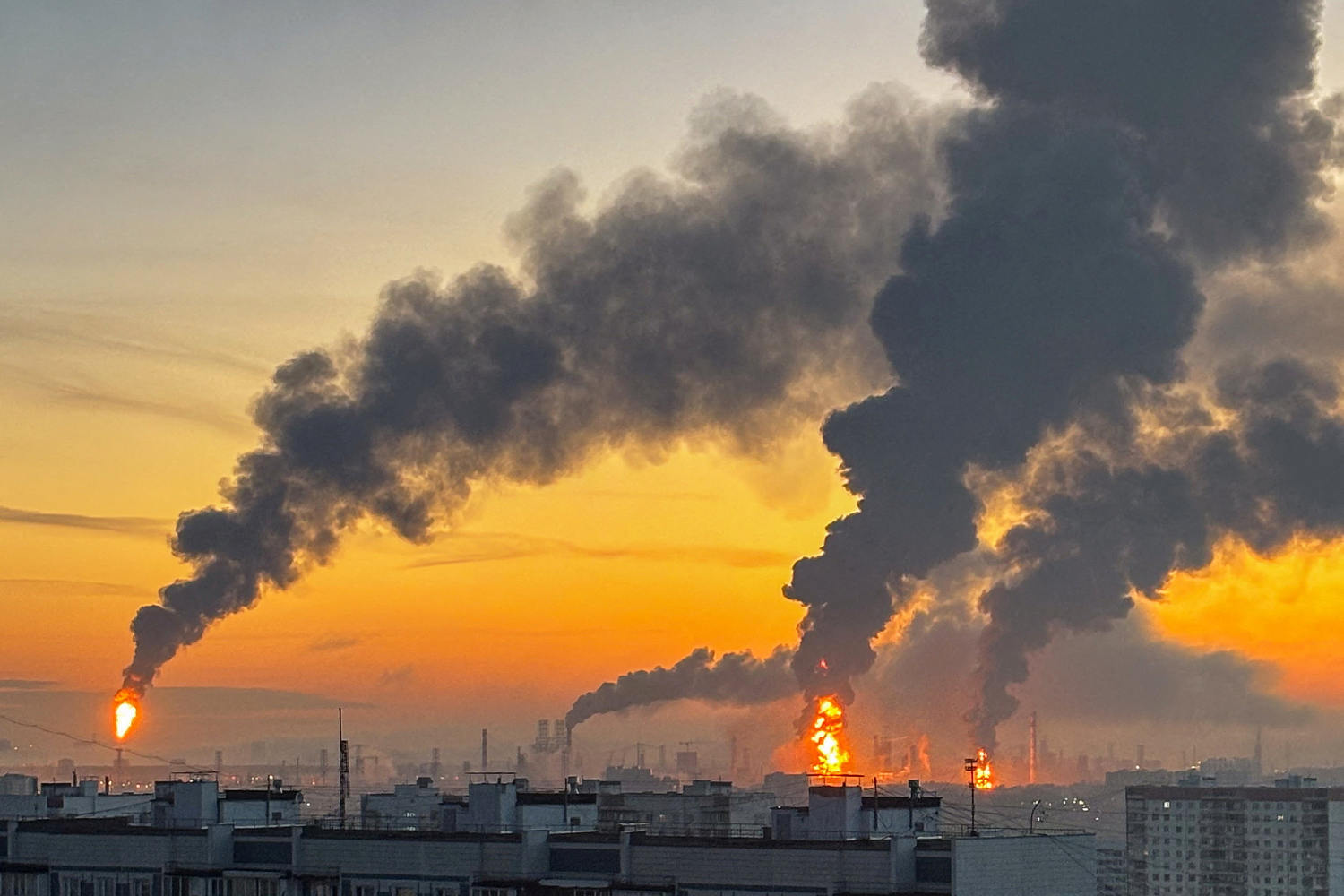
Donald Trump says the U.S. won't use nuclear weapons against Iran and doesn't see ground troops going in. That sounds reassuring on paper. Honestly, though, it doesn't mean the conflict is winding down or that strikes are off the table.
When reporters pressed him about confronting Iran's nuclear ambitions—including deep sites like Pickaxe Mountain—Trump made his boundaries plain. He argued Washington doesn't need nuclear arms, pointing out that the massive conventional bomb known as the MOAB isn't nuclear. Asked about deploying ground forces into Iran, he said he didn't see that happening.
Still, ruling out nukes and ground invasions isn't the same as ruling out force. Far from it.
Why Trump Rules Out Nuclear Weapons and Ground Troops in Iran
Military planners have wrestled with Iran's hardened facilities for years, and the 2026 escalation has turned those theoretical debates into urgent operational choices. Following the June 2025 strikes on Iranian nuclear sites and the wider military campaign that began in early 2026—which included major strikes that killed Supreme Leader Ali Khamenei—Washington has relied heavily on airpower, missiles, and economic pressure rather than boots on the ground.
Skipping ground troops makes political and strategic sense from Trump's perspective. Ground invasions in Iran would mean massive casualties, years of occupation, and domestic blowback he clearly wants to avoid. Even when talking tough about knocking out suspected nuclear sites fast, he has kept his distance from a full-scale ground war.
Skipping nuclear weapons follows a different logic. Using a nuclear weapon in a regional conflict would shatter decades of nonproliferation norms, risk severe diplomatic fallout, and invite unpredictable escalation. Trump has stressed that conventional firepower—including heavy munitions like the MOAB—is already on the table without crossing the nuclear threshold.
Yet there's a catch here. Conventional strikes on deeply buried facilities can be messy, inconclusive, or require repeated follow-ups, as analysts at institutions like The Washington Institute and the Arms Control Association have noted when looking at hardened sites and stalled diplomacy. Saying "no nukes, no ground troops" narrows the playbook, not the threat.
The Gap Between Rhetoric and Reality on the Ground
One mistake people make when reading headlines like this is assuming restraint means calm. It doesn't.
In mid-November 2026, Trump warned that the U.S. military remained "locked and loaded" and watching Pickaxe Mountain, while still signaling he could act if talks faltered. Around the same time, regional friction kept flaring—from reported drone and missile threats around the Gulf to ongoing coordination among U.S., Israeli, and regional security officials. Meanwhile, Secretary of State Marco Rubio has emphasized that heavy economic pressure is already squeezing Tehran severely, arguing that crippling sanctions and economic strain can wear down the regime without a ground war.
That creates a whiplash effect for anyone trying to track what comes next. One day there's talk of talks wrapping up or oil prices dropping; the next, officials warn of renewed strikes or hardened Iranian retaliation.
What People Get Wrong About Escalation Without Ground Troops
A lot of folks assume that if there's no ground invasion and no nuclear strike, the worst-case scenario is off the table. That's just not how modern regional conflicts work.
- Conventional strikes still carry big risks: Hitting missile launchers, air defenses, manufacturing sites, or suspected nuclear facilities can trigger retaliatory attacks on regional bases, shipping lanes, or neighboring states.
- Stalled diplomacy raises the stakes: When talks over negotiations, regional security, or access around the Strait of Hormuz hit roadblocks, both sides can slip back into brinkmanship fast.
- Intelligence isn't always crystal clear: Independent, verified details about the exact status of Iran's remaining nuclear and missile capabilities remain contested or incomplete, which makes outside predictions shaky.
- Big-power diplomacy cuts both ways: Summits involving leaders like Xi Jinping and Vladimir Putin alongside Trump put Iran and nuclear arms control on crowded agendas, though grand talks don't automatically settle messy Middle East disputes.
In my view, the biggest trap for readers is treating any single quote from Washington—or Tehran—as a permanent policy line. Shifting tone has been a recurring feature of this conflict throughout 2026.
How to Follow This Story Without Getting Whipped Around
If you're tracking this conflict for work, markets, or personal awareness, you don't need every rumor on social media. Focus on signals that actually move policy.
- Watch concrete military movements over speeches: Pay attention to force posture, air and naval deployments, and verified strike reports rather than tough soundbites alone.
- Track diplomatic and economic leverage together: Look at whether negotiations are actually moving forward alongside sanctions and economic pressure, since those two tracks shape whether escalation pauses or resumes.
- Cross-check claims across independent sources: Compare official statements with reporting from established outlets like AP News and PBS News to separate verified facts from spin.
- Separate nuclear restraint from total de-escalation: Ruling out nuclear weapons and ground troops sets real limits on how Washington fights, yet heavy conventional action and regional retaliation remain very real possibilities.