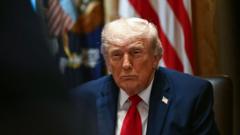
Just when everyone thought the three-month-old war between the US, Israel, and Iran was heading toward a temporary freeze, Donald Trump did what he always does. He threw a wrench into the gears. Negotiators had a tentative agreement sitting on the table, a memorandum of understanding designed to stop the shooting for 60 days and open up the blocked shipping lanes. Instead of signing off during a high-stakes Situation Room meeting on Friday, Trump sent the draft back to Tehran packed with new, tougher demands.
This isn't just a routine grammar check. It is a calculated gamble that could either squeeze massive concessions out of a battered Iranian regime or collapse the peace talks entirely, dragging the Middle East right back into active combat.
The Red Lines in the Rewrite
The framework, hammered out through Pakistani intermediaries, was supposed to be a straightforward bridge to longer-term diplomacy. It called for a 60-day window to negotiate the hard stuff, a temporary halt to hostilities, and the gradual lifting of the US naval blockade on Iranian ports. In exchange, Iran would stop charging arbitrary transit fees in the Strait of Hormuz, clear out its naval mines, and promise not to pursue a nuclear weapon.
Trump looked at that text and decided it wasn't nearly restrictive enough. According to leaks from senior administration officials reported by Axios and The New York Times, his last-minute edits target two major areas: Iran's hidden nuclear material and the exact mechanics of maritime security.
1. Seizing the Underground Uranium Stockpile
The draft agreement mentioned that the two nations would spend the 60-day ceasefire figuring out how to handle Iran's highly enriched uranium. Most of this material is buried deep underground, stashed away after joint US and Israeli airstrikes pounded three major Iranian nuclear facilities during the brief but intense conventional war that broke out. Trump doesn't want to wait 60 days just to talk about talking. He altered the text to demand explicit, immediate details on exactly how the US takes physical possession of that uranium, along with a strict timeline for its destruction.
2. Lock Down the Strait of Hormuz
Iran has been throttling commercial shipping through the strait, forcing vessels to coordinate directly with Tehran or face seizure. While the initial draft required Iran to clear its mines within 30 days and drop the shipping tolls, Trump demanded tighter, more unyielding language regarding the reopening of the waterway. He wants absolute clarity that free navigation returns to pre-war norms immediately, without giving Iran any room to interpret the rules in their favor.
The Ghost of the 2015 Deal
To understand why Trump is willing to drag these negotiations out, look at his obsession with erasing the legacy of the 2015 Joint Comprehensive Plan of Action (JCPOA). He hated that deal when he withdrew the US from it during his first term, and he hates it now.
Inside the West Wing, the big fear is looking soft. Trump explicitly voiced concerns to his inner circle about provisions that might lead to the unfreezing of Iranian assets. Iranian state media, via the Fars news agency, has been telling its domestic audience that the deal includes the release of $12 billion in frozen funds. Trump remembers the political damage Barack Obama took over the billions of dollars flown to Tehran, and he is determined to avoid his own "pallets of cash" moment.
Treasury Secretary Scott Bessent echoed this rigid stance, publicly reinforcing that Trump has strict boundaries. The administration is comfortable keeping the economic vice tightened; in fact, even as these peace talks were happening, the Treasury Department slapped fresh sanctions on the Iranian military’s oil sales arm. They want Tehran to know that the economic blockade isn't going anywhere until the ink is dry on an American-centric deal.
A Communication Breakdown in Real Time
Rewriting a war-ending framework is hard enough when you are talking face-to-face. Doing it through third-party intermediaries when the other side is actively hiding from airstrikes is nearly impossible.
The back-and-forth is moving at a crawl because of how the Iranian leadership is forced to operate. Since the outbreak of hostilities following the joint US-Israeli strikes, communication with Supreme Leader Mojtaba Khamenei and his top commanders has been spotty at best. One frustrated US official summed up the logistical nightmare bluntly, noting that the Iranian leadership is literally operating out of fortified bunkers and underground complexes without access to secure email. Every single edit Trump makes has to be physically passed through Pakistani diplomats, translated, verified, and sent down a fragmented chain of command.
White House officials estimate it will take at least three days just to get a basic reaction from Tehran regarding these new edits. Vice President JD Vance confirmed that while a lot of progress has been made, the administration is in no rush. Trump himself shrugged off the delay in an interview, arguing that rushing a deal leads to bad terms, even if a prolonged war keeps energy markets volatile.
What Happens Next on the Ground
If you are tracking how this actually plays out over the next few days, don't look for official joint press conferences. Look for these specific indicators:
- The Three-Day Response Window: Watch for diplomatic cables leaking out of Islamabad or Tehran around the middle of the week. If Iran rejects the uranium handover language outright, the ceasefire talks are dead.
- Tactical Military Movement in the Strait: The US military recently shot down four attack drones and wiped out a ground-control station in Bandar Abbas. Watch the shipping insurance rates in the gulf. If they spike, it means the commercial sector thinks Trump’s edits will provoke an Iranian military retaliation instead of a signature.
- Domestic Posturing from Tehran: Iranian Foreign Minister Abbas Araghchi has already slammed what he calls the "excessive approach and contradictory positions" of the Americans. If Iran’s state-backed press stops talking about the $12 billion asset release, it means Trump successfully forced that option off the table.
Trump is betting that Iran is negotiating on fumes and will swallow the tougher language because their economy is completely paralyzed by the naval blockade. It is the ultimate real-world application of his transactional foreign policy. But when you push an adversary into a corner, especially one with a battered nuclear program buried in the mountains, the line between a masterclass negotiation and a catastrophic return to total war is razor-thin.