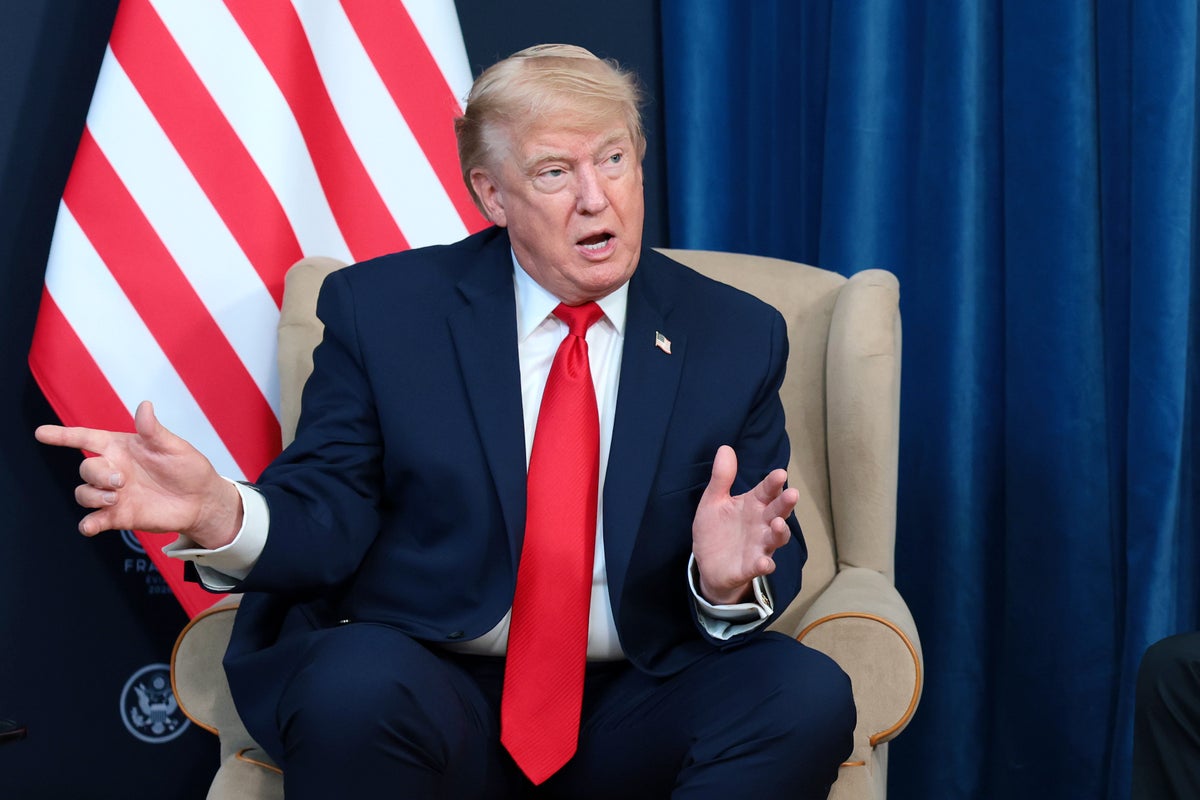
The mask is officially off. If you still believe the myth that Donald Trump and Benjamin Netanyahu are locked in an unbreakable, ideological bromance, it's time to wake up. What we're witnessing right now isn't a diplomatic disagreement. It's an absolute demolition of the traditional U.S.-Israel alliance dynamic, played out on the global stage at the G7 summit in France.
When Trump looked at reporters on Tuesday and declared that Israel "would have been blown up a long time ago" without him, he wasn't just bragging. He was issuing a cold, transactional threat to the Israeli Prime Minister. Trump is trying to lock down a massive, legacy-defining peace truce with Iran. Netanyahu's military strikes in Lebanon are getting in the way. And if there's one thing we know about Trump, it's that he values his own deals far more than anyone else's war.
The Micro-War That Threatens the Macro-Deal
Let's look at the raw numbers and the timing because the details reveal exactly why Trump lost his temper. Over the weekend, Israel launched a series of heavy airstrikes against a Hezbollah command center in a five-story apartment building in Beirut's southern suburbs.
The problem? The strike happened just two hours before the U.S. and Iran were scheduled to advance their major truce agreement.
Iran immediately threw up its hands, claiming the strikes could complicate the entire diplomatic process. Trump was livid. Reports leaked that he privately screamed at Netanyahu, demanding to know what he was doing and stating that the Israeli premier has "no judgment." On Tuesday, standing alongside Qatar's Emir and Secretary of State Marco Rubio, Trump took those frustrations public.
"I've had a great relationship with Bibi, but now Bibi has to be more responsible with respect to Lebanon," Trump said. "You don't have to knock down an apartment house every time you're looking for somebody... they're not all Hezbollah."
Trump openly dismissed the conflict in Lebanon as a "minor war" and a "little pinprick." To him, Iran is the big game. He wants the deal signed in Switzerland, and he views Netanyahu’s ongoing campaign against Hezbollah as a repetitive, endless distraction that "throws a negative light" on his global diplomatic goals.
The Myth of Unconditional Support
For decades, American presidents from both parties have operated under a predictable playbook: protect Israel publicly, iron out disagreements privately. Trump just incinerated that playbook. By telling the world that "without me, there would be no Israel," he transformed a strategic alliance into a personal favor.
This transactional view of foreign policy changes everything for Jerusalem. Israeli officials are reportedly "stunned" by the intensity of the verbal assault. A senior official close to Netanyahu admitted that Trump's statements feel like a "resounding slap in the face" and that expecting Israel to halt strikes across all of Lebanon is incompatible with being a strategic ally.
But Netanyahu is facing a massive trap of his own making. On Monday evening, he gave a televised address ruling out any immediate withdrawal from southern Lebanon, vowing to remain in established "security zones" as long as necessary. He openly signaled that Trump’s pending agreement with Iran doesn't bind Israel.
That defiance is setting up a direct collision. Trump wants the war wrapped up quickly because the ongoing violence threatens the U.S. domestic economy and complicates the upcoming midterm elections. Netanyahu, currently dealing with a push in the Knesset to dissolve the government and trigger early elections, needs a definitive military victory to maintain his political survival.
Outsourcing the Fight to Syria
Perhaps the most bizarre twist in this public breakup is Trump's new strategy for handling Hezbollah. Instead of backing Israeli defense forces, Trump suggested that Israel should pull back and let Syria handle the militant group.
"I suggested to Israel to let Syria take care of Hezbollah, because to be honest with you, I think they'd do a better job," Trump told reporters.
Think about how radical that shift is. The U.S. President is actively suggesting that an Arab neighbor, under new leadership following years of civil war, should become the primary stabilizing force on Israel's northern border. It shows how desperate the White House is to pull American diplomatic capital out of the Levant entanglement so they can focus entirely on containment through the Iran deal.
What Happens Next
The leverage has completely shifted. Israel's military freedom of action is now on a collision course with American executive will. If Netanyahu continues to launch high-profile strikes in Beirut or refuses to withdraw from southern Lebanon, Trump has already laid the groundwork to walk away or restrict support. He has told Netanyahu plainly: you are on your own if you blow this deal.
For anyone managing geopolitical risk, analyzing Middle Eastern markets, or tracking foreign policy, the play here is clear. Watch the upcoming Friday meetings in Switzerland. If the U.S.-Iran truce is formalized despite Israeli objections, it will signal a historic decoupling of U.S. and Israeli security policy. Expect deep fluctuations in regional energy markets and a massive political showdown inside Jerusalem as Netanyahu decides whether to bend to Trump's pressure or risk fighting a multi-front war without a guaranteed American safety net.
An informative analysis of the geopolitical fallout and the specific details behind the phone calls can be found in this report on Trump's reactions to the Beirut strike, which breaks down the private arguments that led to this public summit explosion.