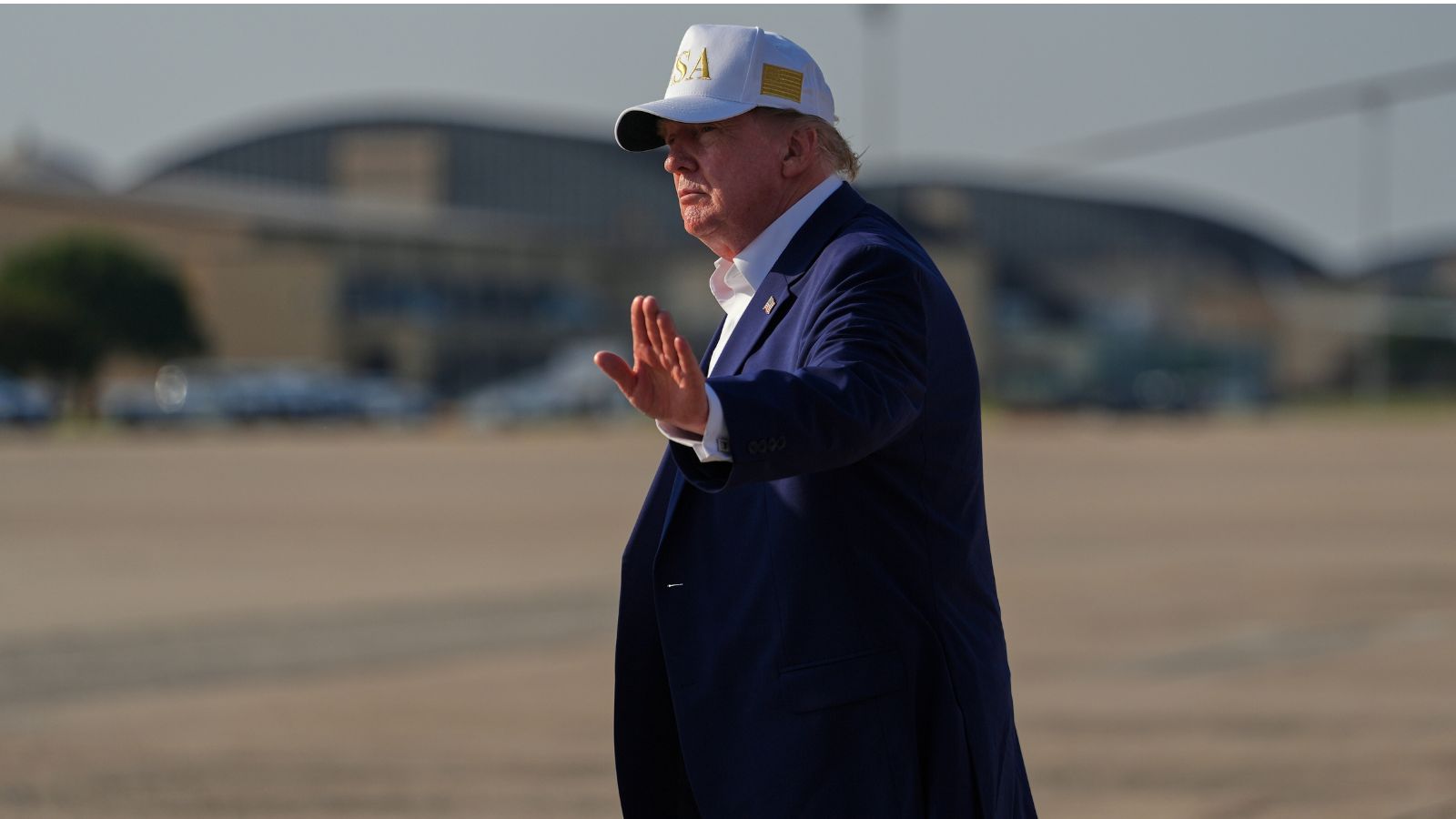
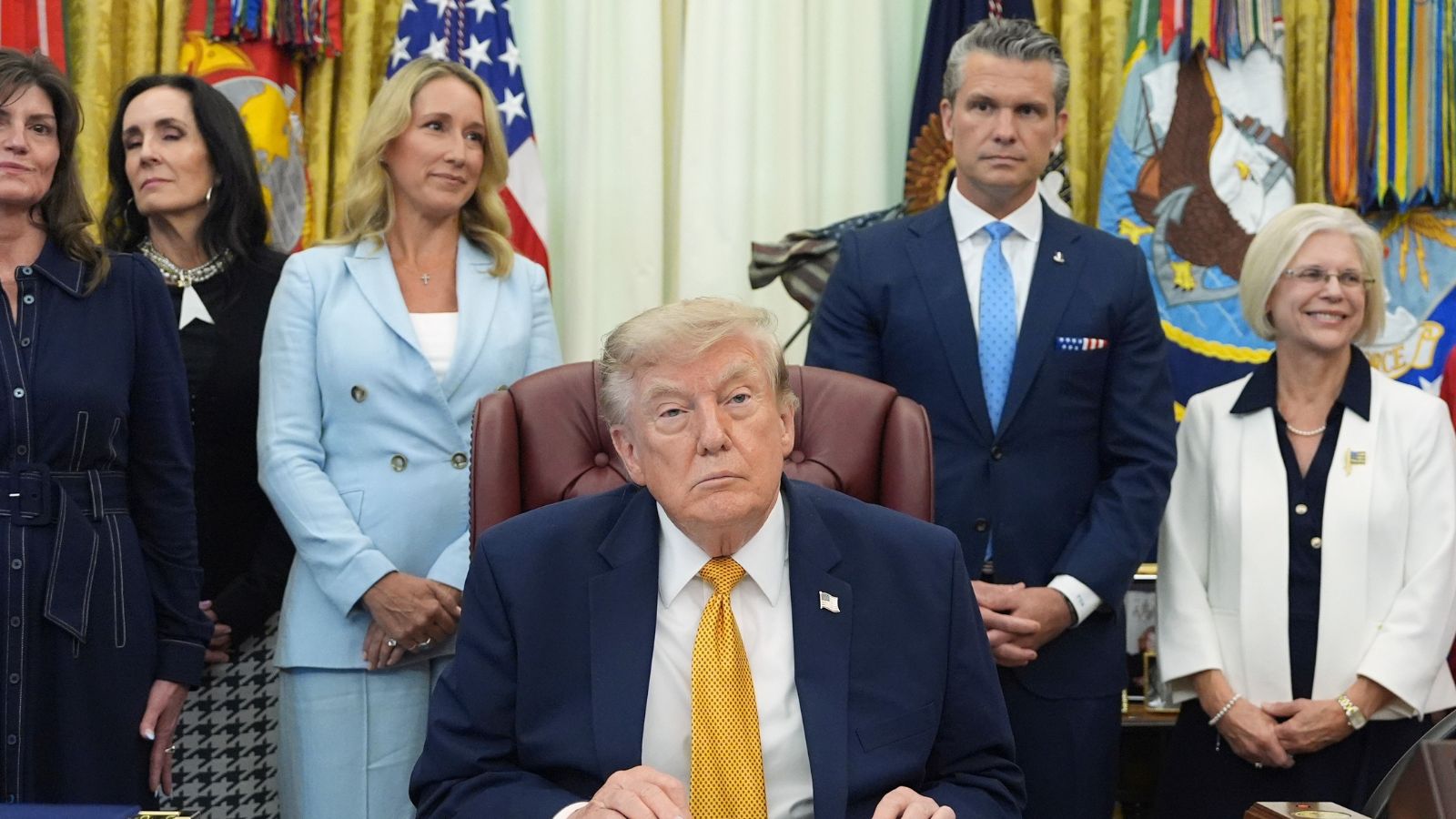
Donald Trump just picked Will Scharf to take over as White House Counsel. Effective September 1, Scharf replaces David Warrington, who is heading off to the private sector. If you have been tracking executive branch shuffles, this one matters. Scharf is moving up from his post as White House Staff Secretary. He is a trusted insider, a former federal prosecutor, and a core member of the legal team that fought all the way to the Supreme Court.
Why make this change now? The timing is everything. Midterm elections are looming, and political fights in Washington are about to get vicious. Meanwhile, you can explore related developments here: Why India Donating Five Peacocks to UN Geneva Actually Matters.
The Inside Track on Will Scharf
Scharf is not some random bureaucrat parachuted into West Wing operations. He spent years building a reputation as a hard-charging conservative litigator. After graduating from Harvard Law School and clerking on the Eighth Circuit, he did time as an assistant United States attorney in Missouri.
When Trump faced a barrage of criminal indictments and civil suits, Scharf joined the defense team. He worked closely on the federal election interference case handled by Special Counsel Jack Smith, contributing to the landmark 2024 Supreme Court ruling on presidential immunity. That loyalty and performance earned him an invite into the inner sanctum when Trump returned to office in January 2025 as White House Staff Secretary. To see the complete picture, we recommend the excellent report by TIME.
In that role, Scharf controlled the paper flow. Every executive order, proclamation, and major administrative memo crossed his desk before reaching the Resolute Desk. He also took on the chairmanship of the National Capital Planning Commission, where he pushed through approvals for Trump's high-profile four-hundred-million-dollar White House ballroom project. That particular initiative has hit a wall with federal appeals courts, meaning Scharf's legal headaches are already piling up.
What a White House Counsel Actually Does
Most people misunderstand the job. The White House Counsel is not just the president's personal defense attorney. They are the chief legal officer for the entire executive branch.
The portfolio covers massive ground:
- Vetting and steering judicial nominees through the Senate confirmation gauntlet.
- Managing executive privilege disputes and coordinating with the Department of Justice.
- Reviewing hundreds of pieces of legislation and executive actions for legal landmines.
- Preparing the administration to face relentless congressional oversight and subpoenas.
With control of Congress up for grabs in the midterms, opposition lawmakers are already drafting investigative playbooks. If the political winds shift in November, the White House Counsel's office becomes a trench-warfare bunker. Scharf is stepping into this role precisely because Trump wants a street fighter who knows how the administrative state operates from the inside.
The Strategy Behind the Shakeup
David Warrington served the president well, handling campaign legal work and the initial months of the second term. But transitions happen. Warrington is stepping back to cash in on private sector opportunities.
Scharf represents a sharper, more aggressive pivot. Trump praised him on social media, calling him tough, strong, and smart. Those aren't just empty compliments. They describe the exact posture the administration intends to maintain against ongoing judicial challenges and looming legislative showdowns.
Look at how Scharf operates. Last month, reports surfaced that he warned colleagues against taking extreme shortcuts on immigration policy, arguing that suspending certain constitutional protections would trigger immediate, unmanageable court battles. He understands where the legal boundaries are drawn, even as he pushes them. That blend of ideological alignment and tactical caution is rare.
Expect the White House to lean heavily on Scharf to bulletproof executive actions against hostile federal judges. The ballroom dispute is just the warmup. As the administration faces continuous friction over construction, deregulation, and agency overhauls, Scharf will be the architect of the defense.
Keep your eyes on September first. That is when the transition becomes official, and the legal posture of the second Trump administration enters its next phase.