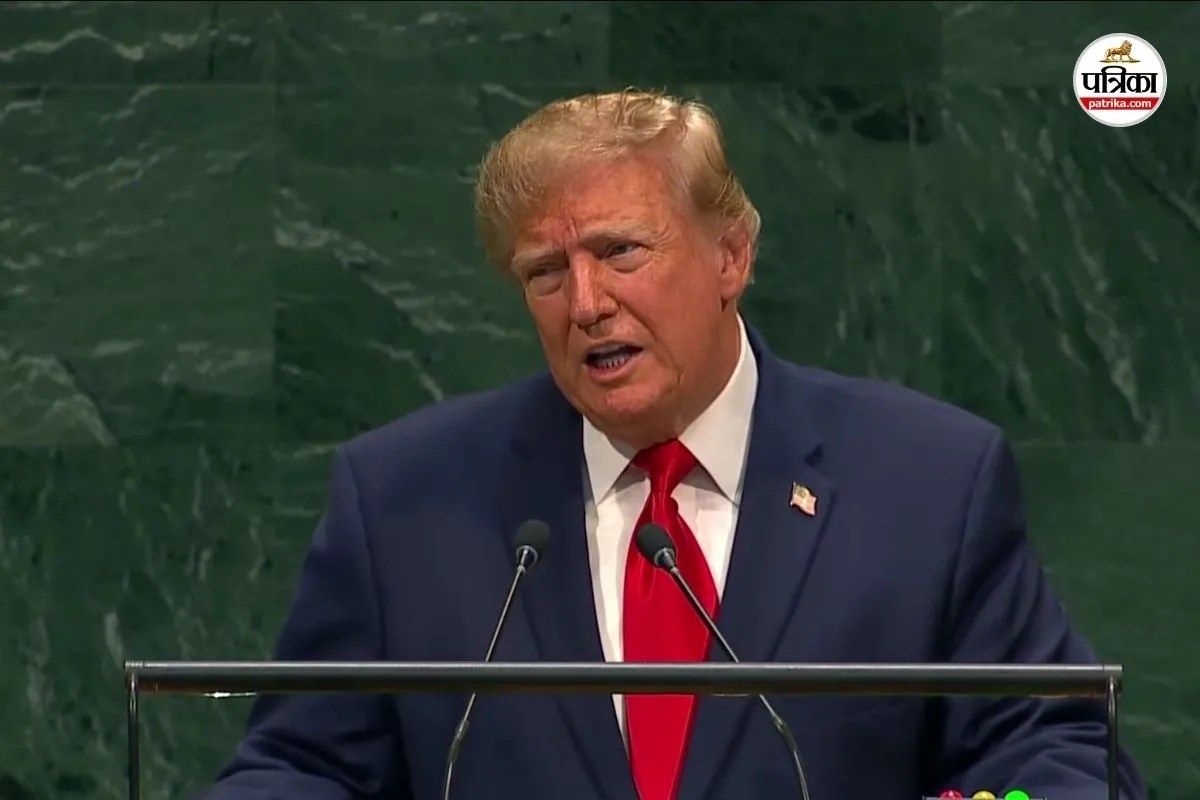
President Donald Trump says he doesn't think China and Russia are aiding Iran, arguing that both powers have too much to lose. That sounds simple on paper. In reality, great-power politics rarely works in clean straight lines.
When a leader says Beijing and Moscow would stay out of a major conflict because they'd lose too much, you have to ask what they mean by "lose." Trade access? Diplomatic leverage? Oil flows? Military positioning? Different capitals calculate risk differently, and a public denial from Washington doesn't automatically close every back door.
Why Trump Questions Chinese and Russian Support for Iran
Trump's argument rests on cold self-interest. In his view, China and Russia have bigger fish to fry than rescuing Tehran. If Beijing or Moscow stepped in openly to help Iran in its confrontation with the United States and Israel, they'd risk severe blowback from Washington and disrupt broader negotiations.
There's also a confidence factor. Trump has repeatedly suggested that the U.S. would spot any serious intervention quickly and that crossing that line would hurt the intervening country badly. When dealing with high-stakes diplomacy—including direct talks among top leaders in China—leaders often prefer to keep channels open rather than accuse major rivals of active intervention unless they want a confrontation.
Still, politics isn't just about what leaders say in public. Sometimes a leader downplays foreign backing to keep pressure focused on one target. Other times, they genuinely believe economic and strategic incentives keep rivals cautious. Either way, "I don't believe they are" is a political judgment, not a complete forensic audit.
What "Too Much to Lose" Actually Means for Beijing and Moscow
Let's look at China first. Beijing relies heavily on global trade, stable maritime routes, and economic ties across multiple regions. Iran matters to China as an energy partner and regional player, sure, but China's broader economic exposure to the West and to global markets is massive. Getting pulled militarily or overtly into a Middle Eastern war could wreck diplomatic maneuvering and invite harsher sanctions or economic friction.
Russia's math looks different, though it also involves limits. Moscow has its own grinding war in Ukraine and complex ties with both Tehran and Washington. Even when two countries share friction with the U.S., alignment isn't unlimited charity. Every bullet, missile part, or piece of intelligence shared has an opportunity cost for Moscow's own front lines.
Here's where people get tripped up. Analysts often treat "no direct military intervention" and "zero help whatsoever" as the same thing. They aren't. A country can avoid entering a war directly while still allowing dual-use goods, commercial networks, or diplomatic cover to persist in the gray zone.
Direct Intervention vs. Gray Zone Aid
Direct help is easy to spot and easy to argue about. Sending troops, running formal military operations, or openly bankrolling an offensive crosses bright lines.
Gray zone help is messy. Think commercial components, shipping routes, diplomatic statements at international bodies, or indirect procurement networks. Intelligence agencies and defense analysts often worry about slow erosion—how a country rebuilds stockpiles or adapts over time—rather than just dramatic headline moves. That's why public statements from politicians and warnings from defense researchers sometimes sound like they're talking past each other.
Common Misconceptions About Great Power Alignments
- Misconception: Enemies of my rival are automatically loyal allies. Not how it works. Countries team up when interests overlap and hold back when risks spike.
- Misconception: Public denials settle the whole story. Public remarks reflect strategy, message discipline, and current leverage, not every detail behind closed doors.
- Misconception: Economic ties guarantee restraint in every scenario. Money and trade create strong incentives, yet crises sometimes push governments to take calculated risks anyway.
- Misconception: Diplomatic summits solve underlying rivalries overnight. Face-to-face meetings can manage tension or open dialogue, but deep strategic disagreements stick around.
Honestly, watching foreign policy through a sports-team lens makes it harder to read. China, Russia, the U.S., and Iran aren't static pieces on a board. Each one is juggling domestic pressure, energy markets, regional security, and credibility at the same time.
How to Read News on This Topic Without Getting Whiplash
If you follow international crises, it's easy to get whiplash. One day a headline says nobody is stepping in; the next day another report raises alarms about supply chains or regional fallout.
Start by separating claims from evidence. A politician's opinion tells you how the administration frames the problem and what message it wants to send. A defense or intelligence report looks at capabilities, logistics, and long-term risks. Both belong in your mental model, but they answer different questions.
Next, watch the incentives rather than just the rhetoric. Ask who benefits from calm, who benefits from pressure, and what each government can afford to lose right now. Check reputable international reporting and policy research—such as coverage from The Guardian or analysis from Modern Diplomacy—to compare how different outlets frame the same developments.
Finally, give big geopolitical stories time to breathe. Breaking news moves fast, especially around major diplomatic gatherings, yet real shifts in alliances or conflict dynamics usually show up over weeks and months, not in a single quote.