Most cable news pundits treat Donald Trump's hesitation on new Iran attacks as random unpredictability, or maybe just pre-holiday inertia. They're missing the math on the ground.
Trump recently told senior advisers he may hold off on resuming major military strikes against Iran unless Tehran or Yemen's Houthis launch fresh provocations. That isn't softness. It's a cold calculation built around a naval chokehold that's already doing the heavy lifting without risking another wave of American casualties.
If you've tracked Middle East crisis management over the last decade, you know Washington usually falls into one of two traps. Either presidents bomb targets to "send a message" without an endgame, or they talk endlessly while watching sanctions leak like a sieve. Right now, the White House is trying a third lane.
The Chokehold That Makes Bombs Redundant
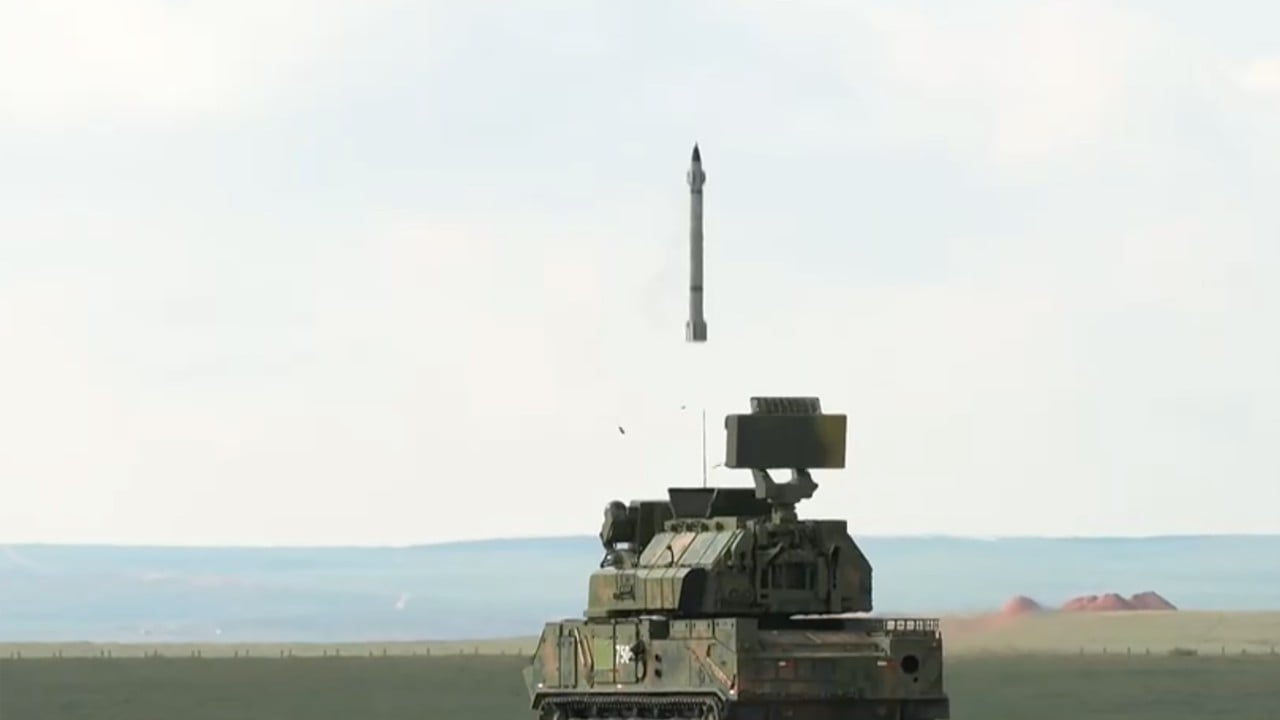
Since Operation Epic Fury kicked off back in February 2026 alongside Israeli forces, the conflict has morphed from a massive air campaign into a grinding war of economic attrition. The U.S. military stopped most of its direct bombing runs months ago, yet the pressure on Tehran hasn't let up for a second.
Why? Because the U.S. Navy controls the Strait of Hormuz.
When you blockade a petro-state's primary maritime artery and freeze hundreds of billions of dollars in overseas assets, air strikes start looking like diminishing returns. Trump spelled this out himself on social media in mid-November, bragging that Washington doesn't even need a formal deal because the U.S. already holds Iran's money and its strait.
Secretary of State Marco Rubio echoed that exact logic around the same time, arguing publicly that further U.S. military action isn't necessary against an economy that's already buckling. Meanwhile, the Pentagon isn't sitting idle. U.S. forces have expanded enforcement beyond open waters, moving to interdict sanctioned weapons and cargo trying to slip into Iran overland or across the Caspian Sea. Even a third aircraft carrier moving toward the region serves more as a loaded gun on the table than an immediate trigger pull.
Bombing factories makes dramatic television. Starving an entire regime of hard currency and maritime trade breaks its spine quietly.
Why Netanyahu Is Pushing While Gulf Allies Hit the Brakes
Of course, not everyone in the region agrees with waiting things out. Inside Washington, Trump has been caught in a fierce tug-of-war between his closest allies.
On one side sits Israeli Prime Minister Benjamin Netanyahu. Throughout November 2026, Netanyahu lobbied hard for a renewed, decisive joint assault on Iran, even dispatching Mossad chief Roman Gofman to Washington to brief CIA Director John Ratcliffe and White House envoys on alleged Iranian chemical weapons developments and dirty bomb threats. From Jerusalem's perspective, leaving a wounded regime standing gives Supreme Leader Mojtaba Khamenei's circle time to rebuild missile stockpiles and regroup.
Interestingly, even Israel's own security establishment isn't unified on that timeline. Israeli Military Intelligence officials reportedly warned Netanyahu in private sessions that a new strike wouldn't stay confined to a neat three-to-five-day operation, cautioning instead that it could ignite a multi-front regional firestorm across Lebanon, Syria, and Gaza.
On the other side sit Saudi Arabia and Turkey. Both Riyadh and Ankara have directly urged Trump not to restart major bombing runs.
Their reasoning isn't ideological—it's survival. Nine months of fighting, disrupted shipping lanes, and Houthi drone launches toward Saudi territory have already battered regional economies and sent global fuel prices spiking. If U.S. jets start hitting Iranian infrastructure again, Riyadh knows its own desalination plants, oil terminals, and cities sit directly in the crosshairs of Tehran's remaining drones and ballistic missiles.
Trump openly acknowledged this dynamic during an interview with Stephen A. Smith, noting he could escalate immediately but was choosing a slower path "at the request of the nations that I am looking to protect".
What Actually Counts as a New Provocation
Holding off on attacks doesn't mean peace has broken out. There's no ceasefire signed, indirect talks remain deadlocked over Iran's demand that Washington lift its naval blockade first, and low-level clashes happen almost daily.
In mid-November alone, naval mines damaged oil tankers in the eastern Strait of Hormuz, Iranian air defenses claimed to down a U.S. MQ-1 Predator drone over Qeshm Island, and Saudi air defenses intercepted Houthi drones headed toward Riyadh. Yet none of those incidents triggered a massive American retaliatory wave.
That tells you something crucial about where the White House draws its red lines right now. Small-bore harassment, proxy drone launches that get intercepted, or localized maritime friction get absorbed by existing defenses and tighter blockade enforcement. To force Trump's hand into launching another major offensive, Tehran or the Houthis would likely have to cross one of three thresholds:
- Direct mass-casualty hits on U.S. troops. Over 750 American service members have already been wounded since the war began in February. A deadly strike on a U.S. base or warship leaves zero political room for restraint.
- A successful strike on major Gulf energy infrastructure. If Houthi or Iranian missiles slip past defenses and knock out a major Saudi refinery or export terminal, regional leaders will stop asking Trump for restraint and start demanding retaliation.
- Verified breakout moves on unconventional weapons. Despite Mossad briefings in Washington, U.S. intelligence hasn't treated current intelligence as an immediate trigger—and Trump publicly downplayed panic over dirty bomb rumors on Fox News. Hard proof of imminent weaponization would flip that switch overnight.
Domestic Politics and the January 2027 Clock
There's also a calendar reality sitting right on the Resolute Desk.
By late November 2026, Trump has already started signaling that any major decision on renewing large-scale strikes might wait until early 2027. In an interview with Axios and subsequent remarks, he framed the timeline around patience—"we've got time"—while pushing back on domestic critics frustrated that a conflict he once promised would wrap up quickly is dragging toward its tenth month.
The domestic political math cuts both ways:
- War fatigue at home is real. Voters dealing with months of elevated fuel costs and inflation caused by the Hormuz crisis aren't clamoring for another open-ended Middle East escalation.
- Congressional pushback is tightening. While the Senate rejected a recent War Powers measure aimed at curbing military operations, newly elected Democrats take office in January 2027, narrowing the window for unilateral executive action without fierce legislative battles.
Waiting out the next few weeks lets Trump keep maximum leverage without owning the immediate economic shockwaves of a fresh bombing campaign during the holiday season.
How to Read the Signals Without Getting Played
If you're watching oil markets, shipping routes, or geopolitical risk over the next month, stop reacting to every anonymous leak or fiery social media post. Both Washington and Tehran benefit from keeping the other side guessing.
Watch the physical indicators instead:
- Carrier and bomber movements. A third carrier entering the theater gives the Pentagon surge capacity, so track whether strike squadrons actually forward-deploy to regional bases or remain in deterrence posture.
- Hormuz transit volumes and mine-clearing operations. Quiet increases in commercial shipping or U.S. naval interdictions tell you far more about real leverage than diplomatic readouts.
- Riyadh's public tone. As long as Saudi and Turkish officials keep engaging Washington diplomatically rather than putting their own militaries on high offensive alert, the restraint track is holding.
Check Atlantic Council's latest strategic assessments or daily maritime tracking updates from Reuters before making any energy or portfolio calls based on war headlines. Right now, the blockade is the weapon, and Trump has no reason to trade a cheap chokehold for an expensive air war unless Tehran hands him an excuse he can't ignore.
For more background on how intelligence briefings and Israeli pressure are shaping the current standoff in Washington, see Israel Accuses Iran of Chemical Weapons Push, Dares Pre-Emptive, which breaks down the recent diplomatic push behind the scenes.