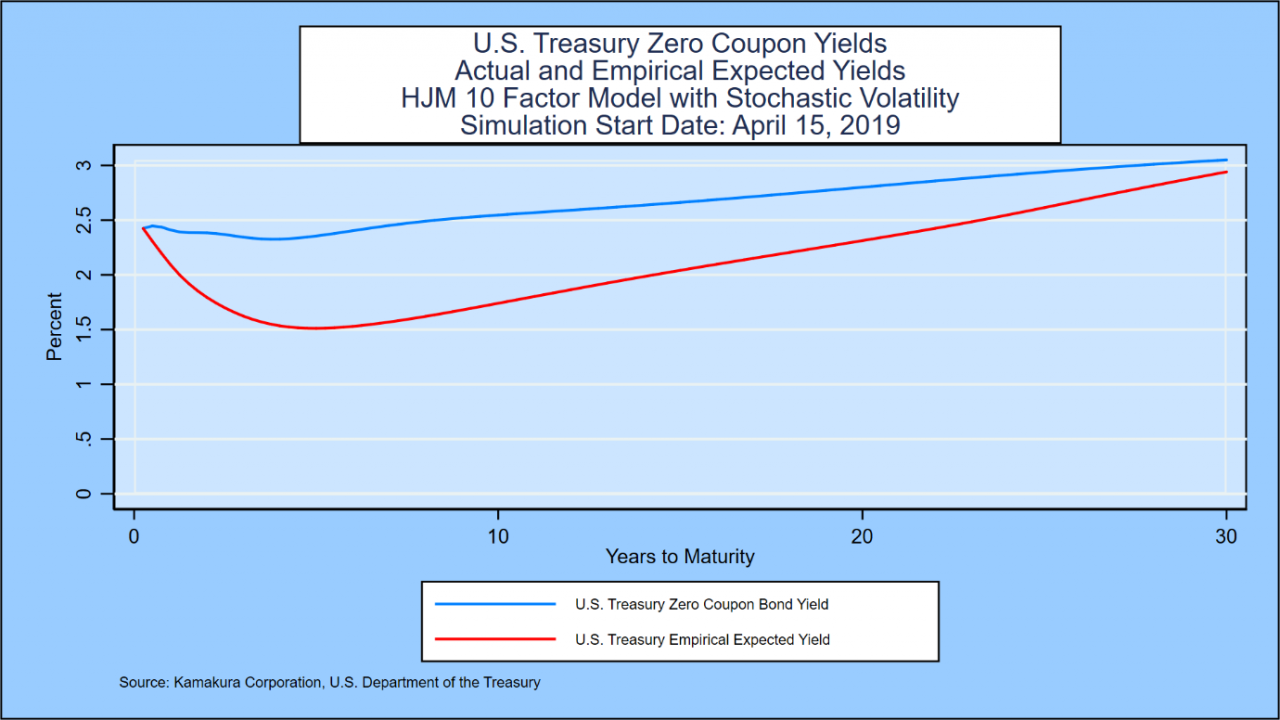
The recent surge in U.S. government debt yields is not a spontaneous market anomaly but a structural response to the convergence of three distinct pressures: an unsustainable fiscal trajectory, an inflationary energy shock linked to regional geopolitical conflict, and a shift in the marginal demand for sovereign paper. Investors are currently recalibrating the term premium—the additional yield required to hold long-term debt—as the traditional appetite for U.S. Treasuries confronts a reality where public debt servicing costs compete directly with private capital allocation.
The Fiscal Sustainability Function
The U.S. national debt, currently exceeding $39 trillion, functions as the primary variable in the long-end yield equation. When federal expenditure consistently outpaces revenue, the Treasury Department must issue increasing volumes of debt to finance the delta. Under standard market conditions, this supply increase would be absorbed by global demand. However, the current environment is defined by a diminishing marginal propensity to hold U.S. debt at historical yield levels.
Investors now demand a higher risk premium to compensate for what is increasingly perceived as a lack of fiscal discipline. This reflects a shift from viewing Treasuries as the "risk-free" anchor of global portfolios to recognizing them as instruments subject to fiscal solvency risk. When the ratio of debt-to-GDP escalates, the probability of future inflation—or financial repression—increases. The market prices this into the yield curve by demanding higher nominal rates to offset potential erosion of purchasing power.
The Energy-Inflation Transmission Mechanism
The current geopolitical confrontation in the Middle East has introduced a direct energy-price shock into the domestic inflation calculus. Crude oil acts as a primary input cost across the U.S. economy. When energy prices climb, they permeate the consumer price index (CPI), signaling sticky, non-transitory inflation.
This creates a secondary, tighter policy constraint: the Federal Reserve's ability to normalize interest rates is curtailed. If inflation remains elevated due to energy-related input costs, the Fed cannot provide the liquidity or rate cuts that bond markets crave. Consequently, the yield curve undergoes a "bear steepening" process. Short-term rates remain anchored by the Federal Reserve's current policy stance, while long-term yields rise to reflect the market's expectation that inflation will remain persistently above target, necessitating higher rates for an extended period.
Crowding Out and Capital Allocation
A structural bottleneck exists between government borrowing and private sector investment. As Treasury yields climb, they establish the floor for all other borrowing costs, including corporate debt and mortgage rates. This exerts a "crowding out" effect:
- Cost of Capital Expansion: For capital-intensive firms, particularly those in the AI and infrastructure sectors, the hurdle rate for new projects rises. Projects that were viable at a 4% cost of debt become non-accretive at 5.5%.
- Equity Valuation Compression: Discounted cash flow models are highly sensitive to the risk-free rate. Higher Treasury yields lower the net present value of future corporate earnings, placing downward pressure on equity valuations, especially in growth-oriented sectors that lack the cash flow to offset rising financing costs.
- Liquidity Fragility: The reliance on facilities like the Federal Reserve’s Foreign and International Monetary Authorities (FIMA) repo facility suggests that liquidity in the Treasury market is becoming increasingly dependent on central bank backstops. When the market requires constant liquidity intervention, it reveals a lack of natural buyer depth, heightening the risk of volatility spikes during periods of stress.
Strategic Asset Allocation
The reality for capital allocators is that the "ultra-low-rate era" has been replaced by a regime characterized by higher nominal yields and higher volatility. Strategy must shift from chasing yield to managing duration risk and credit sensitivity.
The most viable strategic play is to rotate toward assets with high pricing power and low debt-to-capital ratios. In an environment where the government must compete for capital by offering higher yields, firms with significant net cash positions and operational efficiency are better insulated from the rising cost of borrowing. Investors should prioritize cash-flow-generative assets that possess the elasticity to pass through inflationary costs to the consumer. Simultaneously, positions should be hedged against further fiscal volatility by reducing exposure to long-duration government bonds, which remain highly vulnerable to adjustments in the term premium. The fundamental risk is not that the government fails to pay, but that the purchasing power of the repayment is systematically eroded by the combination of fiscal expansion and stubborn inflation.
Understanding the Treasury Market Risks
This video provides an expert analysis on why the long end of the yield curve is currently facing significant pressure due to persistent debt and deficit dynamics.
http://googleusercontent.com/youtube_content/1