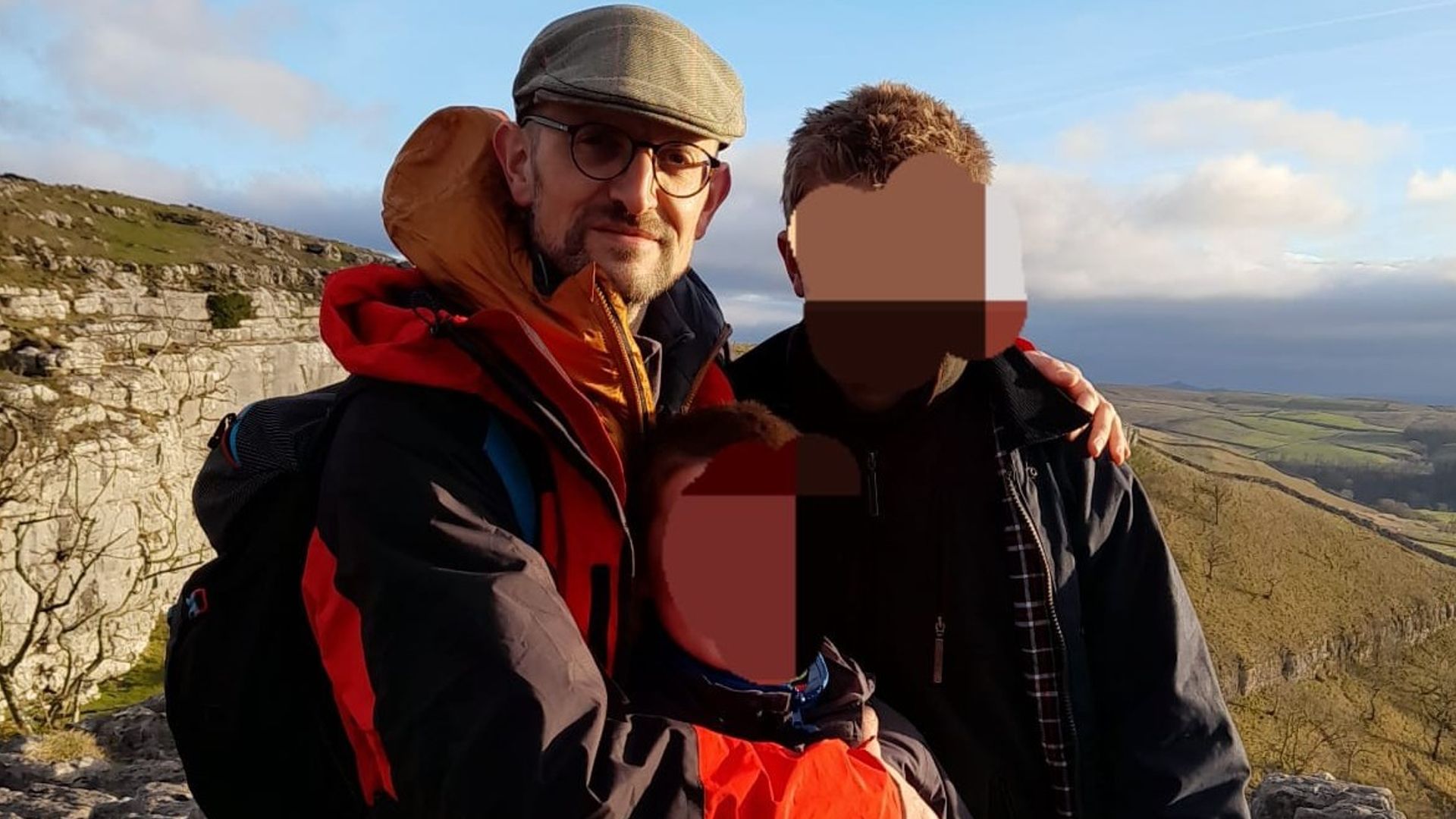
The Scottish Highlands command respect. People forget that fast. When 45-year-old Belgian tourist Hector Patemore set out from the Glen Brittle youth hostel on a Sunday morning, he expected a standard climb. His target was Sgurr nan Banachdich, a famous peak in the rugged Cuillin Mountains on the Isle of Skye.
He was an experienced walker. The route is often described as straightforward by local standards. Yet by nightfall, he hadn't returned.
What followed was a tense multi-agency search operation that ended with the tragic discovery of a body in the Cuillin area. Incidents like this force the outdoor community to look past statistics and confront the raw, unforgiving reality of Scottish terrain.
Understanding the Cuillin Ridge Hazard Profile
The Cuillins aren't like other mountains. Most British hills consist of rounded, heather-clad slopes where a wrong turn leads to a soggy bog. The Black Cuillin on Skye is entirely different. It's a jagged alpine ridge made of gabbro and basalt rock.
Gabbro offers incredible grip when dry, acting almost like sandpaper against boot rubber. The moment moisture hits it—which happens hourly in the Highlands—it turns treacherous.
Mr. Patemore planned to climb Sgurr nan Banachdich and descend via Coire nan Banachdich. Even on a route considered manageable, navigation errors on Skye carry severe penalties. Steep scree slopes, sudden cloud inversions, and sheer drops mean that a simple misstep can quickly escalate into a survival scenario.
Local rescue teams deal with this reality constantly. Visitors often underestimate how quickly daylight fades and weather turns. You can step out under a bright blue sky and find yourself navigating zero-visibility cloud cover twenty minutes later.
Why Even Experienced Hikers Get Into Trouble
When news breaks of an experienced hillwalker going missing, people wonder how it happened. Experience doesn't make you immune to bad luck or poor visibility.
Terrain familiarity matters immensely. Mountain safety experts point to several recurring factors that catch out even seasoned hikers:
- Rapid weather shifts that obscure vital landmark features.
- Subtle navigational mistakes during the descent when fatigue sets in.
- Mobile phone battery failure in cold temperatures, cutting off GPS tools.
- Over-reliance on digital maps without a physical backup.
When you're tired, cognitive function drops. You miss the small cairn marking the descent path. You push through a bad feeling because you're only an hour from the hostel. Before you know it, you're off-route in technical terrain.
The Vital Role of Mountain Rescue Services
Police Scotland, local mountain rescue volunteers, and coastguard helicopters form an invisible safety net across the Highlands. When someone fails to check in by late evening, a massive logistical response triggers instantly.
Volunteers drop everything to comb treacherous gullies and boulder fields. Their work is often dangerous, conducted in driving rain and howling gales.
In this tragic instance, the search concluded when rescue teams located a body. While formal identification processes take time, the impact on the community and the family is immediate. It serves as a stark reminder of the risks tied to remote wilderness exploration.
Practical Steps to Stay Safe in the Highlands
If you're planning a trip to tackle Scottish peaks, don't let optimism cloud your preparation. Mountain safety isn't about being fearless; it's about managing risk.
Always leave a detailed route card with your accommodation provider or a trusted friend. Include your planned turnaround time. If you aren't back by that hour, someone should raise the alarm.
Pack physical maps and a magnetic compass, and actually know how to use them. Electronics fail when moisture seeps in or temperatures drop. Carry a bivvy bag, extra warm layers, a whistle, and high-energy food, even if you think you'll be back before dark.
Respect the mountains. They aren't theme park attractions. They demand humility, preparedness, and an acute awareness of your own limits.