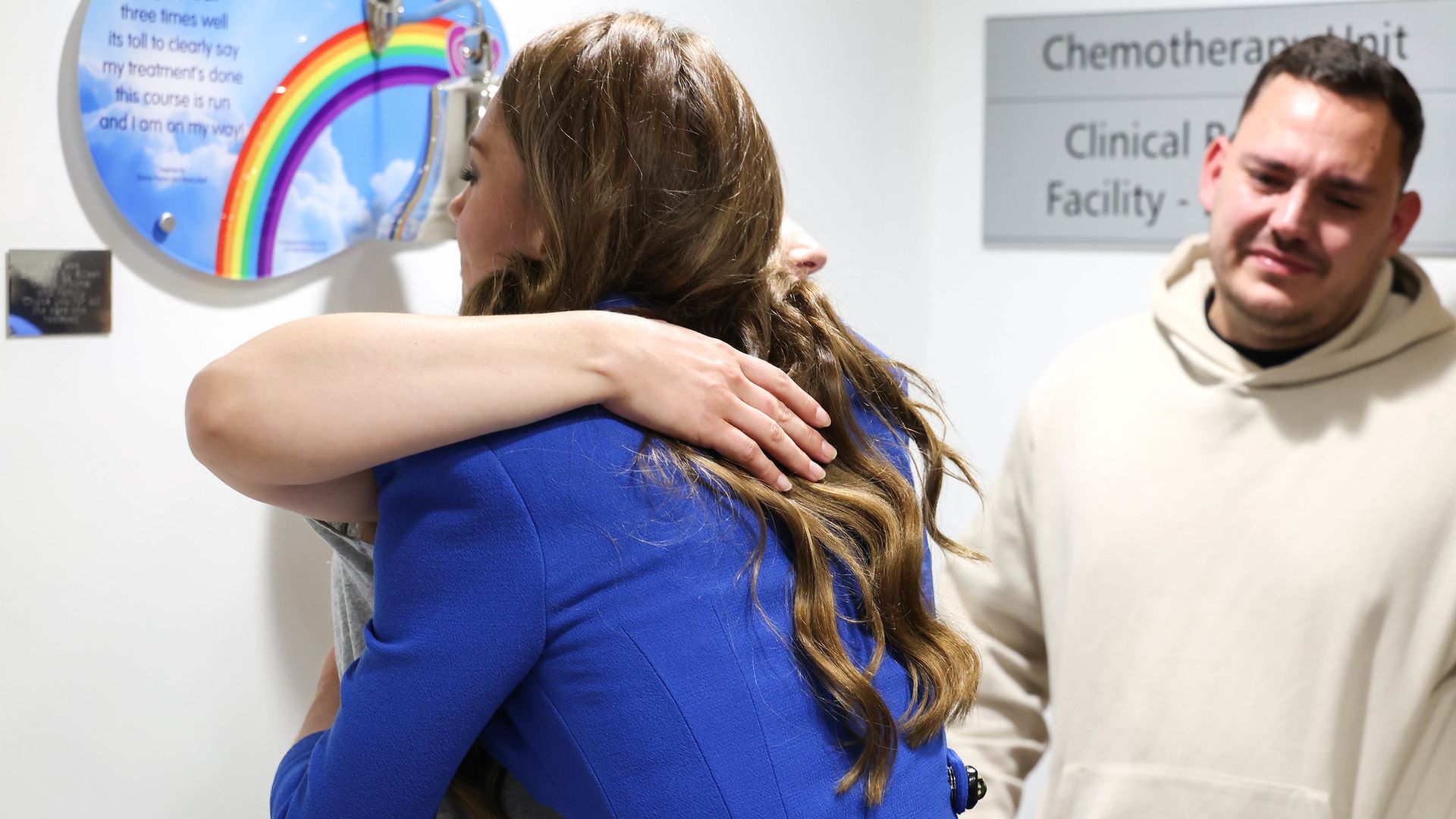
The media recently went into a collective meltdown because the Princess of Wales sent a letter congratulating a young cancer patient for finishing treatment. The headlines were exactly what you would expect. Soft. Emotional. Drenched in the standard vocabulary of "battles won" and "warriors overcoming the odds."
It is a heartwarming narrative. It is also deeply flawed, psychologically damaging, and completely misses the reality of modern oncology.
As an insider who has spent years analyzing healthcare communications and patient advocacy, I can tell you that the obsession with celebrating the "end" of cancer treatment does more harm than good. We have built an entire culture around milestones—ringing bells, throwing parties, receiving royal congratulations—that alienates the very people it claims to support.
The lazy consensus says that finishing chemotherapy is a moment of pure triumph. The clinical reality is that it is often the most terrifying, isolating moment of a patient's life.
The Myth of the Clean Slate
Media outlets love a clean narrative arc. Act One is the diagnosis. Act Two is the grueling treatment. Act Three is the ringing of the bell, signifying a cure.
But oncology does not operate in neat, three-act structures.
When a high-profile figure lends their platform to celebrate the "completion" of treatment, they inadvertently reinforce a dangerous binary: you are either sick, or you are cured. This ignores the massive, ambiguous gray zone that millions of cancer survivors inhabit every single day.
- The Reality of Maintenance Therapy: Many patients "finish" active treatment like IV chemotherapy only to begin years of oral medications, hormone blockers, or immunotherapy. They are not done. They are just on a different phase of a long, exhausting continuum.
- The Scanxiety Loop: Finishing treatment means stopping the regular, aggressive monitoring that provided a twisted sense of security. Now, patients are cast out into the real world, left alone with the constant, crushing fear of recurrence. Every headache is a brain metastasis. Every backache is a bone lesion.
- The Permanent Collateral Damage: Chemotherapy and radiation do not just vanish from the system when the last drop is administered. Patients deal with peripheral neuropathy, chronic fatigue, cognitive fog, and early menopause for decades.
To congratulate someone for being "done" is to ignore the permanent structural changes to their body and mind. It creates an expectation from friends, family, and employers that the patient should now return to their pre-cancer self. That person no longer exists.
Dismantling the Cancer Industrial Complex PAA
If you look at what people actually ask when searching for information on cancer recovery, the disconnect between public perception and patient reality becomes blindingly obvious. Let us strip away the sentimentality and look at the hard truths behind the most common queries.
Why do cancer patients ring a bell when they finish treatment?
The ritual began in 1996 at MD Anderson Cancer Center when a U.S. Navy Rear Admiral, Irve Le Moyne, donated a brass bell to celebrate his final radiation treatment. It was meant as a personal symbol of a milestone.
Today, it has been co-opted by hospital marketing departments. It provides a photogenic, shareable moment that humanizes institutional medicine.
But ask the patients who are metastatic, whose cancer is treatable but not curable, how that bell sounds. To someone with Stage IV disease, that bell is a loud, ringing reminder that they will never get their own celebration. It divides the waiting room into "winners" who get to leave and "losers" who are stuck there until they die.
Several major cancer centers have actually started removing these bells or moving them away from communal waiting areas because the psychological distress they inflict on terminal patients outweighs the brief dopamine hit they give to survivors.
How do you support someone after they finish cancer treatment?
The conventional wisdom says you throw them a party or buy them a gift.
Do not.
The moment treatment ends is usually when the psychological trauma finally catches up. During treatment, patients are in survival mode. They are focused on appointments, dosages, and side effects. When the schedule clears, the adrenaline drops, and the gravity of what they just went through hits them like a freight train.
Instead of celebrating an arbitrary end date, offer practical, ongoing support for the long haul.
Conventional Approach vs. Radical Patient Support
┌───────────────────────────────┬────────────────────────────────┐
│ What the Public Does          │ What Patients Actually Need    │
├───────────────────────────────┼────────────────────────────────┤
│ Throw a "Cancer Free" party   │ Quiet validation of their fear │
│ Stop checking in              │ Sustained emotional support    │
│ Expect immediate productivity │ Extended flexibility at work   │
│ Celebrate the physical return │ Acknowledge the mental trauma  │
└───────────────────────────────┴────────────────────────────────┘
The Royal Effect and the Danger of Curated Illness
When public figures share their health journeys, it can reduce stigma. But when that narrative is tightly managed and focused entirely on positive milestones, it sets an impossible standard for the average citizen.
The Princess of Wales has access to world-class integrated care, nutritional chefs, private security, and a financial safety net that defies imagination. She can afford to take months off work to focus exclusively on recovery.
The single mother working two jobs who has to schedule her radiation during her lunch break does not have that luxury. When she looks at the highly polished, royal-approved narrative of graceful recovery and triumphant milestone-marking, the contrast breed shame. She wonders why she is struggling so hard to keep her head above water when others seem to glide through the process with immaculate hair and a serene smile.
We need to stop using celebrity health milestones as a benchmark for public health. It distorts our understanding of what recovery looks like and shifts the focus away from systemic issues—like medical debt, lack of paid sick leave, and unequal access to clinical trials—toward individual triumphs of the spirit.
Stop Celebrating the End. Start Supporting the Aftermath.
The contrarian approach to cancer advocacy requires us to sit with discomfort. It demands that we stop forcing patients to perform joy for our benefit.
If we want to actually help people navigating the aftermath of serious illness, we have to change the vocabulary entirely.
- Drop the military metaphors. Cancer is not a war. If someone dies, it is not because they did not "fight" hard enough. If someone survives, it is not because they were a superior warrior. It is biology, access to care, and luck.
- Acknowledge the permanent transition. Stop talking about "getting back to normal." Start talking about building a "new normal."
- Fund survivorship programs. Hospitals pour millions into state-of-the-art treatment facilities but pennies into post-cancer psychological care. The physical cancer may be gone, but the mental healthcare crisis is just beginning.
The downside to this perspective is obvious: it spoils the party. It makes people uncomfortable. It forces us to look at the messy, unresolved, painful realities of chronic illness instead of wrapping it up in a neat bow with a royal seal of approval.
But the patients who are currently sitting in their cars in hospital parking lots, weeping with terror because they just received their last dose of chemo and have no idea who they are anymore, do not need a bell. They do not need a card from a stranger. They need us to stop pretending that the hard part is over.