The Performance of Doing Good
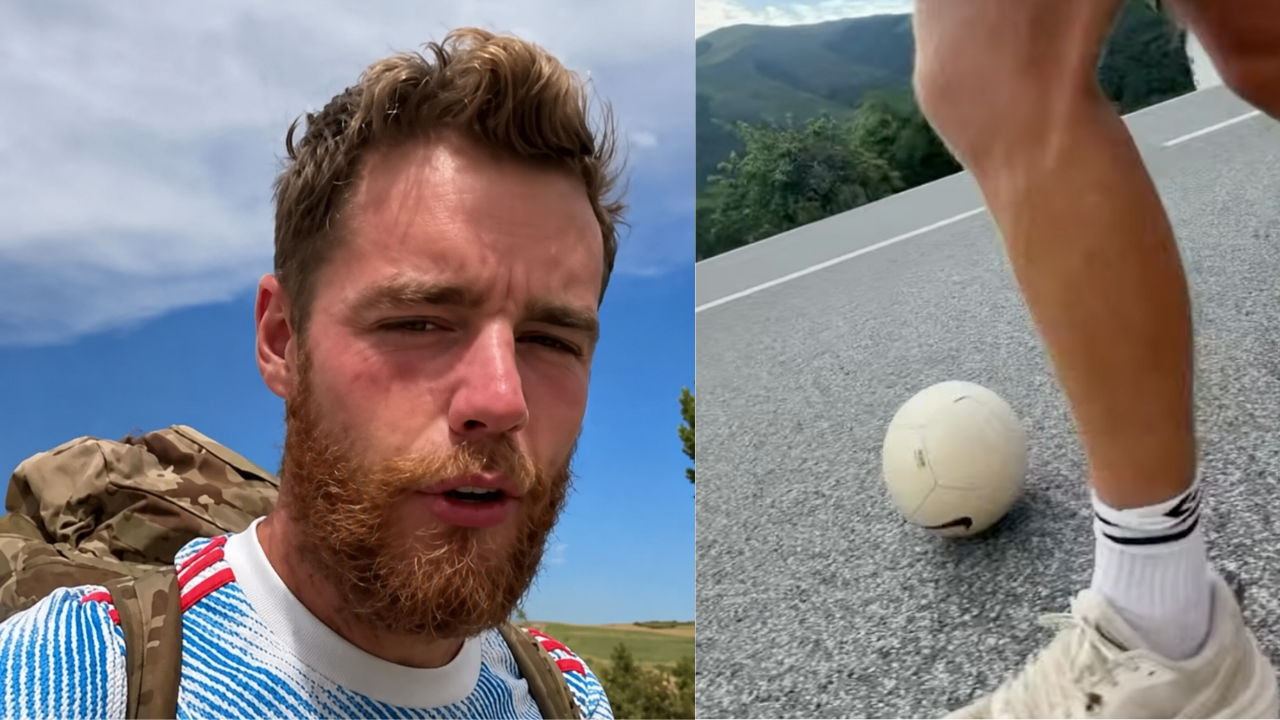
A man decides to dribble a football 2,000 miles from Africa to England. He is doing it to honor his late father and raise money for charity. It sounds like the plot of an inspiring sports documentary. The media eats it up. The comments sections overflow with digital applause and crying emojis.
It is a beautiful story. It is also an incredibly inefficient, outdated way to fix a problem. Building on this theme, you can also read: The Two Hour Storm that Couldn't Stop the Roar.
We have become obsessed with the spectacle of suffering for a cause. The formula is always the same: pick an incredibly grueling, highly impractical physical task, tie it to a tragic backstory, and hope the sheer absurdity of the feat forces people to open their wallets. We confuse the scale of the physical exertion with the scale of the social impact.
This is the "awareness stunt" industrial complex. It rewards the performance of altruism while doing very little to move the needle on the actual issues. Experts at ESPN have also weighed in on this situation.
The Math of Misallocated Energy
Let’s look at the mechanics of a 2,000-mile overland journey involving international borders, support vehicles, gear, hydration, nutrition, and medical contingencies.
Logistics eat capital. Every mile walked or dribbled requires a massive expenditure of time, energy, and money—resources that are sucked away from the actual goal.
The Hidden Costs of Spectacle
| Resource | Where it Goes in a Stunt | Where it Should Go |
|---|---|---|
| Capital | Flights, visas, support crews, gear sponsors | Direct-impact funding, research, local infrastructure |
| Time | Months of walking and content creation | Scalable fundraising, systemic advocacy |
| Attention | The individual’s physical pain and daily updates | The systemic root of the crisis |
When you audit these high-profile endurance campaigns, a glaring inefficiency emerges. If a corporate sponsor spends $50,000 to back an athlete's logistics so they can raise $100,000, that is a massive 50% cost-of-fundraising ratio. In the nonprofit world, an organization operating with those metrics would be flagged for gross inefficiency. Yet, because there is a football and a heartfelt narrative involved, we suspend our critical thinking.
I have spent years analyzing how cultural attention translates into actual economic utility. The reality is brutal: spectacles create a spike in shallow engagement, followed by a rapid drop to baseline. They do not build sustainable donor pipelines. They build a brief cult of personality around the performer.
Dismantling the Awareness Delusion
The standard defense of these stunts is always: "But it raises awareness!"
Awareness of what, exactly? Mental health? Cancer research? Poverty?
Everyone is already aware these things exist. What charities lack is not "awareness"—it is cash, policy leverage, and structural reform.
The Illusion of Action
Psychologists call the underlying issue moral licensing. When someone clicks "share" on a video of a guy kicking a ball through a desert, or drops $5 into a crowdfunding link, their brain registers that they have participated in solving a crisis. They feel good. Their moral itch is scratched.
"Shallow awareness campaigns often act as a psychological pressure valve. They relieve the collective guilt of an audience without demanding any real sacrifice or systemic change."
This is the flaw at the heart of the "People Also Ask" universe. People ask: How can I support long-distance charity runs? They should be asking: What percentage of my dollar actually reaches the field when filtered through an extreme endurance athlete?
If you want to eradicate a disease, fund a lab. If you want to build clean water infrastructure, hire engineers and pay for pipes. Do not pay for a plane ticket so a Westerner can walk past the people who actually live with the problem every single day.
The Subtle Ego of the Suffering Savior
There is a uncomfortable truth underneath these campaigns that nobody wants to speak aloud: they are fundamentally self-indulgent.
The narrative inevitably shifts from the cause to the person. Will his knees hold up? How did he survive that border crossing? Look at the blisters on his feet! The cause becomes a background wallpaper for a personal journey of self-discovery and resilience.
If the goal were purely to maximize the financial yield for a charity, the most effective strategy would be to stay home, work a high-value job, and aggressively funnel 80% of that income directly into highly vetted, effective altruism funds. Think organizations evaluated by GiveWell, where metrics—not emotions—determine where a dollar does the most physical good.
But working a corporate job or managing an efficient supply chain doesn't look good on Instagram. It doesn't get you a segment on morning television. It lacks the cinematic grit of pushing a piece of leather across a continent.
How to Actually Move the Needle
Stop cheering for the spectacle. If you want to honor a memory or fix a broken system, abandon the theatrics.
- Fund the boring stuff. The most effective charities are often the ones with the worst marketing. They spend their money on logistics, data analysis, and local staff—not on producing viral videos for travelers.
- Audit the fundraising ratio. Before giving money to an endurance challenge, demand to see the balance sheet. Who paid for the flights? Who paid for the media team filming the journey? If the runner used charity funds to cover their personal expenses, you are financing a vacation disguised as a crusade.
- Decentralize the narrative. Stop centering the solution on Western individuals traveling to or from developing regions to prove a point. The true heroes of development are the local leaders, doctors, and organizers who are on the ground 365 days a year, long after the guy with the football has flown home to sign a book deal.
Next time you see an article about someone doing something ridiculous for a good cause, don't share it. Don't praise it. Turn off the screen, look up a charity that operates with cold, clinical efficiency, and setup a recurring monthly donation.
Stop buying into the theater of suffering. The world does not need more miles logged; it needs results.