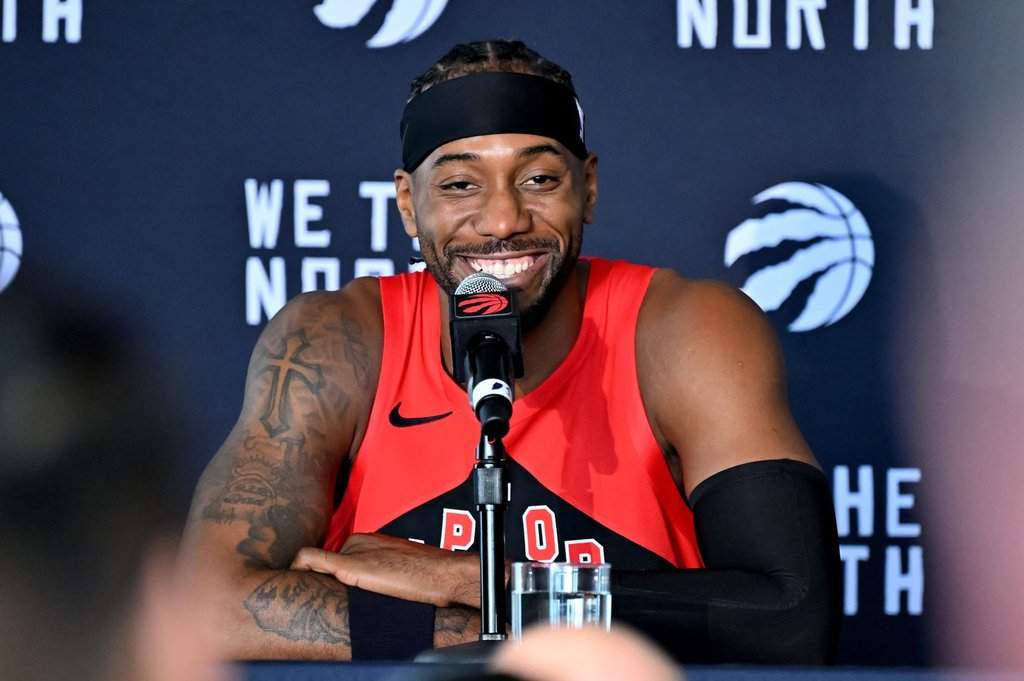
Every time Kawhi Leonard's name floats back into the Toronto sports discourse, the local media machine slips into a familiar, tragicomic routine. Nostalgia hits hard in the 6ix. Pundits sigh over what could have been. They romanticize the summer of 2019 as a cursed romance, a fleeting masterpiece cut short by a wandering superstar who simply refused to unpack his bags.
That narrative is pure emotional bankruptcy.
Stop mourning the departure. Stop writing fan fiction about a parallel timeline where the Klaw signs a five-year max deal to defend the title in a cold Canadian winter. The obsession with keeping Leonard in Toronto is built on a fundamental misunderstanding of how modern NBA dynasties operate and what that single championship actually represented.
The Rent Was Never For Sale
Let us clear up the economic reality of 2019 right out of the gate. Fans talk about loyalty as if it is a bilateral contract, but superstar mobility operates strictly on leverage and geography. Kawhi Leonard did not reject Toronto because the fans were cold or the taxes were high. He rejected Toronto because his entire career arc, meticulously managed by Uncle Dennis and his inner circle, pointed directly back to Southern California.
When a mercenary delivers a title, you do not cry because he leaves for home. You cash the ring, hang the banner, and understand the transaction.
The lazy consensus in sports commentary treats superstars like franchise heirlooms. If you acquire one, your primary job is to chain him to the rafters for a decade. But history tells a different story. Championships built on rentals are often cleaner, cheaper, and more efficient than the salary cap purgatory that follows a decade-long supermax commitment to an aging, injury-prone asset.
Look at what happened to the Clippers after they mortgaged their draft capital and handed Leonard that massive extension. Load management turned into literal playoff absence. The knee issues that were already ticking clocks in Toronto became chronic structural failures in Los Angeles. Toronto dodged a multi-hundred-million-dollar bullet wrapped in a medical exemption.
The Myth of Sustainable Franchise Loyalty
We need to dismantle the romance of the homegrown franchise savior. In the modern league, front offices do not win titles by hoarding nostalgia. They win by ruthlessly exploiting windows.
Masai Ujiri understood this better than anyone. Trading DeMar DeRozan wasn't just a cold basketball decision; it was a psychological break from the era of participation trophies and good vibes. Ujiri traded sentimentality for a one-year shot at immortality. It worked. The debt was paid in full on the hardwood of Oracle Arena.
Expecting Kawhi to embrace Toronto long-term ignores his personal geography and the brutal physical toll of his degenerative quad tendinopathy. He needed a load-managed schedule, a specific medical staff, and a climate that did not aggravate his joints for six months of the year. Forcing him to stay would have resulted in a bloated payroll, a stagnant roster, and a fanbase turning toxic the moment his knees gave out in February.
The Real Winner of the Trade
Let us talk about the actual beneficiaries of that seismic 2018 trade. San Antonio got a disgruntled star out of their locker room and eventually pivoted, though their return looked modest at first glance. Toronto got a championship banner that changed the psychological ceiling of an entire country's basketball footprint.
And Kawhi? He got his homecoming, followed by years of playoff heartbreak, Clippers drama, and perpetual medical question marks.
The grass is rarely greener on the other side of a superstar departure; sometimes, the grass on your side has already been mowed, fertilized, and immortalized in bronze outside the arena. Toronto did not lose Kawhi Leonard. They exhausted his useful lifespan in a single, glorious campaign and let someone else pay the maintenance fees.
Stop wishing for a reunion that would have crippled the franchise's flexibility for a decade. Appreciate the mercenary for what he was: a brilliant, cold-blooded gun-for-hire who did his job and left town.
Quit crying over a ring that is already in the case.