The global diplomatic circuit is addicted to a very specific, very dangerous brand of platitude. When defense ministers gather in rooms filled with mahogany and bottled water, they inevitably recite the same script: "Terrorism has no religion, no nationality, and no ideology." It sounds noble. It feels inclusive. It is also patently false.
To claim that terrorism exists in a vacuum of identity isn't just a white lie; it’s a strategic failure. When leaders like Rajnath Singh speak at the Shanghai Cooperation Organisation (SCO), they lean on this "neutrality" to maintain diplomatic decorum. But decorum doesn't stop bullets, and it certainly doesn't dismantle the sophisticated theological and nationalistic frameworks that drive modern insurgencies. If we keep pretending that the "who" and "why" don't matter, we will never solve the "how."
The Myth of the Rootless Radical
The "no nationality" argument is a convenient shield for states that export chaos while maintaining seats at the UN. By detaching a terrorist act from its origin point, we grant a free pass to the infrastructure that built the killer.
Terrorism is almost always a product of specific borders and specific state interests. Whether it’s state-sponsored proxies in South Asia or separatist movements in the Levant, these actors possess passports. They utilize national banking systems. They are trained in camps that exist on physical maps within sovereign territories.
When we say terrorism has no nationality, we are essentially saying it has no logistics. That is a fantasy. Every successful operation requires a supply chain. Every supply chain requires a geography. By refusing to name the geography, we are choosing to fight a ghost instead of a regime.
Theology is Not a Coincidence
We need to stop being afraid of the word "theology."
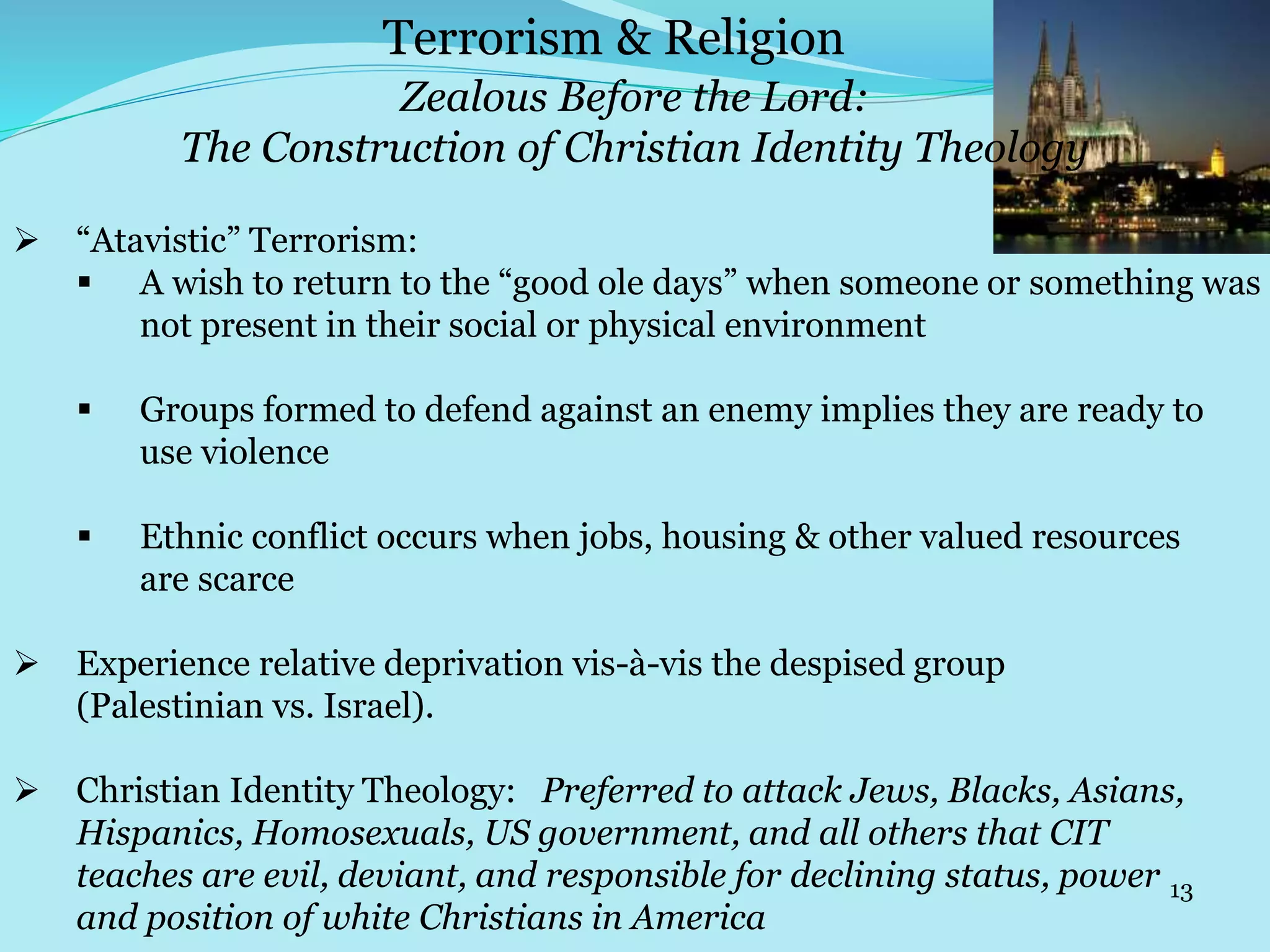
The "no religion" trope was designed to prevent communal violence—a worthy goal—but it has mutated into an intellectual blind spot. Radicalization does not happen because of a sudden, inexplicable urge to commit violence. It happens through the systematic distortion and application of specific texts and doctrines.
Ideology is the engine. The belief that one is acting on behalf of a divine or historical mandate provides the psychological resilience needed to commit atrocities. If you ignore the scripture, you ignore the motive. If you ignore the motive, you can never hope to de-radicalize a population.
I have seen intelligence frameworks crumble because analysts were told to "ignore the religious context" to avoid being labeled biased. What follows is a clinical, cold analysis that misses the heat of the actual movement. You cannot win a war of ideas if you refuse to admit that the other side even has ideas.
The Flaw in Global Cooperation
The SCO and similar bodies often tout "intelligence sharing" as the silver bullet. This assumes that every member defines "terrorist" the same way.
They don't.
One country's "terrorist" is another country's "strategic asset." This is the dirty secret of international security. When we strip the labels of nationality and theology away, we create a vague definition that allows bad actors to hide in plain sight. They sign the treaties, join the photo-ops, and continue to fund the very groups they just condemned.
A "neutral" definition of terrorism is a blank check for hypocrisy.
The Operation Sindoor Fallacy
Citing specific operations like "Sindoor" or "All Out" as evidence of a unified front is a tactical distraction. These are localized successes. They are the equivalent of treating a skin rash while the internal organs are failing.
True security doesn't come from military operations alone; it comes from the brutal honesty required to name the source. If a threat is nurtured by a specific interpretation of a specific belief system, funded by a specific national treasury, and protected by a specific intelligence agency, then that threat has a very clear identity.
Stop Sanitizing the Threat
The "no identity" narrative is the fast food of geopolitics: easy to swallow, zero nutritional value, and ultimately harmful to the body politic.
We need to pivot. We must start identifying the specific ideological strains that authorize violence. We must hold nations accountable for the culture they cultivate within their borders.
- Step 1: Map the funding to the flag. No more "non-state actors." If they operate from your soil, they are your actors.
- Step 2: Engage with the theology. Work with scholars who can dismantle the radical interpretations from the inside rather than pretending the interpretations don't exist.
- Step 3: End the SCO charade of "unified definitions" until every member agrees that a terrorist in one capital is a terrorist in all capitals.
The world is messy. It is tribal. It is deeply, stubbornly ideological. Pretending otherwise in the name of diplomatic politeness isn't leadership—it’s a surrender to the status quo.
Stop looking for a nameless, faceless enemy. They have faces. They have names. They have homes. Start there.