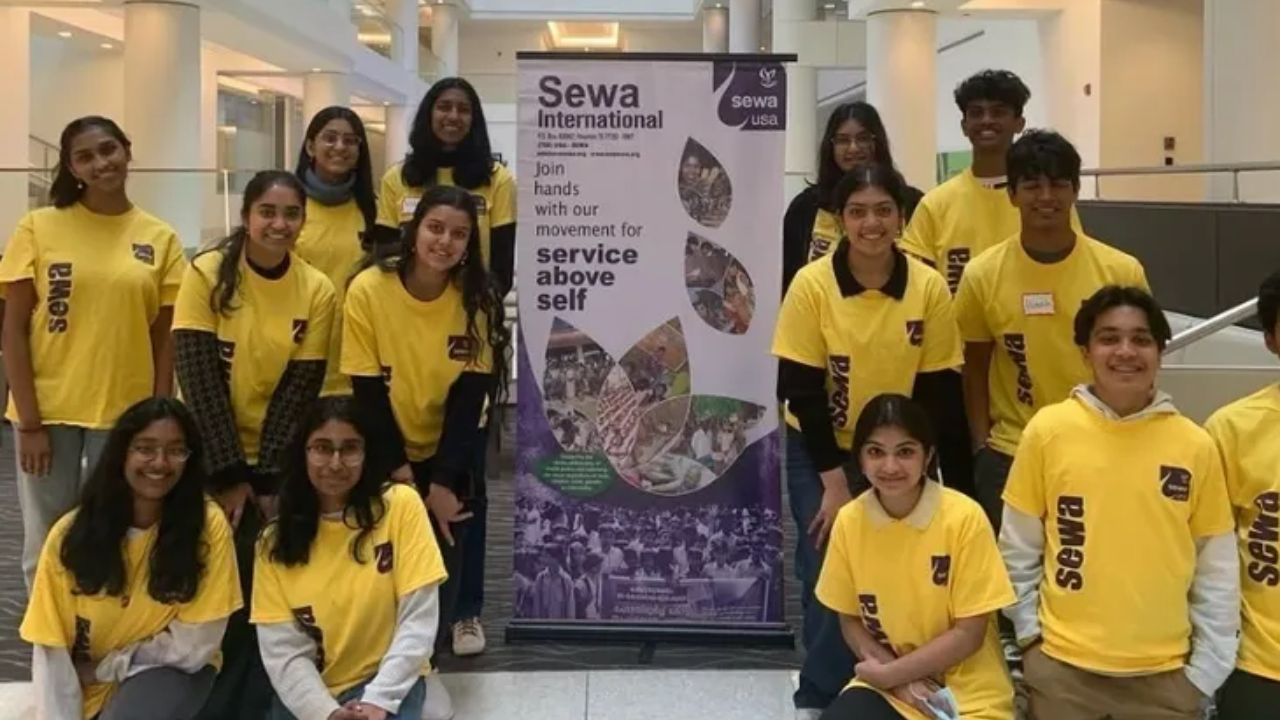
Starting an organization as a teenager sounds like a headline-grabbing achievement. When Dev Rai launched a nonprofit at age fifteen to support artisans, the metrics looked impressive on paper. Hundreds of products sold, hundreds of volunteers mobilized, and dozens of traditional craftspeople given a platform. Yet, the initial excitement of youth-led social ventures often masks the grinding operational hurdles that appear after the press releases fade.
The romanticized narrative of the teenage social entrepreneur hides structural challenges. Scale requires capital, supply chain consistency, and regulatory compliance. Mentorship matters, but young founders frequently find themselves navigating tax exemptions, shipping logistics, and inventory management without prior corporate experience.
Artisan communities operate on generational timelines. Introducing digital storefronts or shifting aesthetic preferences to appeal to modern buyers disrupts established traditions. While volunteer enthusiasm drives early momentum, burnout hits quickly when school schedules collide with warehouse demands.
Long-term survival depends less on initial volunteer counts and more on sustainable revenue models. Transitioning from a passion project to a viable institution requires ruthless efficiency. Organizations that bridge this gap move beyond the novelty of their founder's age and build enduring market value.


