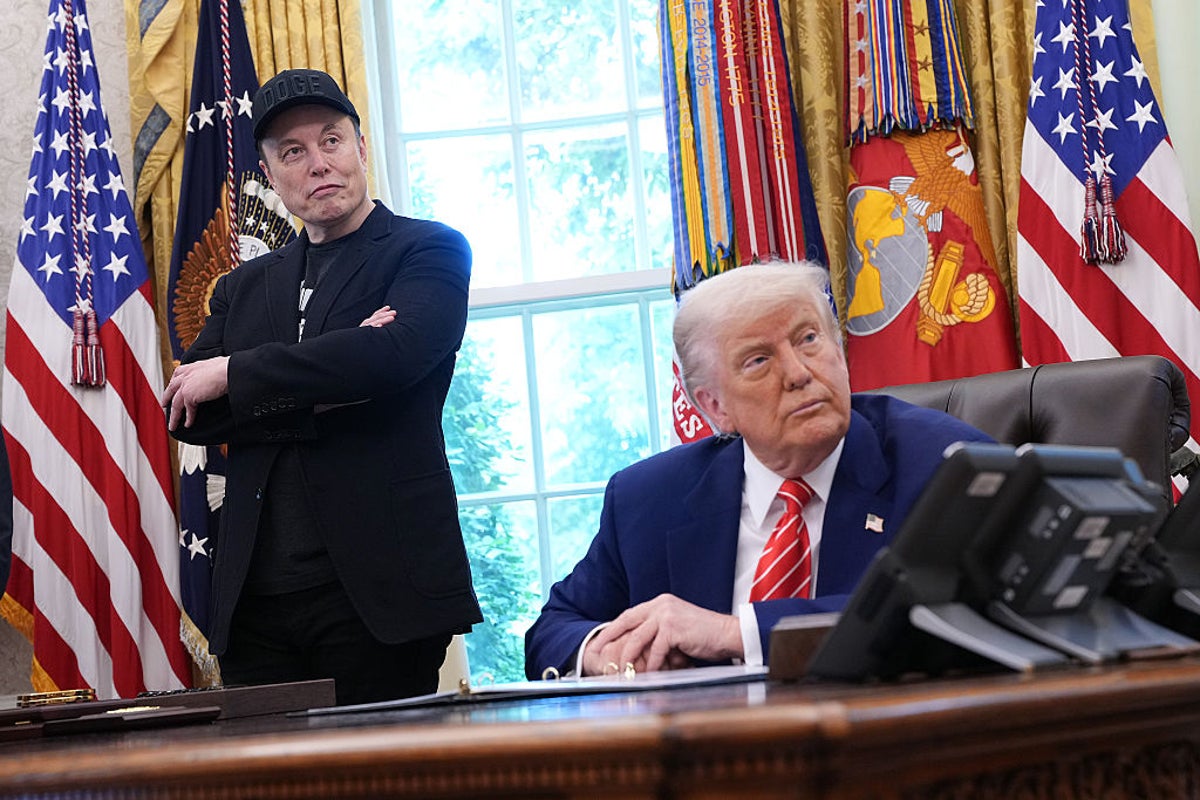
Elon Musk and Tim Cook are packing their bags for China. They aren’t going for a vacation or a product launch. They’re part of a massive business delegation joining Donald Trump on a high-stakes diplomatic mission to Beijing. This isn't just another photo op. It's a desperate, calculated move by America’s biggest corporate players to protect their bottom lines in an increasingly hostile global market.
If you’ve been watching the headlines, you know the vibe is tense. Trade wars aren't just talk anymore. They're reality. By flying alongside the President, these CEOs are trying to secure a seat at the table before the doors lock for good. You don't send the leaders of Tesla and Apple unless the stakes are existential.
The Musk and Cook Alliance
It's no secret that Elon Musk has been tight with the Trump administration lately. His involvement in this trip makes perfect sense when you look at Tesla’s reliance on Chinese manufacturing and sales. China is the world’s largest EV market. If Musk loses his grip there, Tesla’s valuation takes a massive hit. He’s not just representing his company; he’s acting as a bridge between two superpowers that can’t seem to agree on anything.
Tim Cook is in a different but equally tight spot. Apple has spent years trying to move production to India and Vietnam, but the reality is that the "Designed in California" dream still runs on Chinese factories. Cook is a master of the "quiet diplomacy" game. He knows that a single tweet or a new tariff can wipe out a quarter’s profits. He’s there to play defense. He needs to ensure that Apple’s supply chain doesn't become collateral damage in a political ego match.
Why Other CEOs are Jumping on the Plane
The list doesn't stop with the big two. You’re seeing leaders from the semiconductor industry, finance, and heavy manufacturing clamoring for a spot. Why? Because being left behind means being forgotten when the trade deals are actually signed.
- Market Access: Many of these companies face increasing restrictions from the Chinese government. They want the President to push for "reciprocity"—a fancy word for "let us sell our stuff as easily as you sell yours."
- Regulatory Relief: China has been tightening its data security laws. For tech firms, this is a nightmare. They need a political heavyweight to argue for more flexible rules.
- Tariff Insurance: Every CEO on that plane is terrified of the next round of import duties. Being in the room gives them a chance to whisper in the President's ear about how specific tariffs might hurt American jobs.
Most people think these trips are about handshakes and fancy dinners. They're actually about survival. These CEOs are essentially human shields for their corporate interests. They hope their presence reminds both governments that the economies are too intertwined to tear apart without causing a global meltdown.
The Risks of Corporate Diplomacy
There’s a massive downside to this. By aligning so closely with a specific administration’s foreign policy, these CEOs risk alienating their customers and even their own employees. We’ve seen it before. When a brand becomes too "political," it loses its broad appeal.
I’ve talked to trade analysts who think this "CEO-heavy" approach might backfire. The Chinese government isn't stupid. They know these executives are under pressure. Beijing can use that pressure as leverage, essentially holding corporate interests hostage to get better terms from the U.S. government. It’s a dangerous game of poker where the chips are worth billions.
What This Means for Your Wallet
You might think this is all high-level billionaire drama that doesn't affect you. You'd be wrong. The outcome of this China trip will dictate the price of your next phone, the cost of your car, and even the performance of your 401(k).
If the delegation fails to ease tensions, we’re looking at a world of fragmented tech standards and higher prices. Imagine a world where your favorite apps don't work abroad or where "Made in China" carries a 40% tax. That’s the reality if these negotiations go south.
The Real Power Dynamic
It's important to realize that Trump uses these CEOs as much as they use him. He gets to show off his "pro-business" credentials and use their expertise as a bargaining chip. "Look," he can say to the Chinese negotiators, "even Tim Cook thinks your trade barriers are unfair." It’s a powerful optic.
But don't be fooled into thinking they're all on the same team. These CEOs have a fiduciary duty to their shareholders, not to the U.S. State Department. If a deal benefits the U.S. but hurts Apple, Tim Cook isn't going to cheer for it. This creates a fascinating, messy tension in the middle of a presidential state visit.
What Happens When They Land
Once the plane touches down in Beijing, the real work starts. It’s not just about the big meetings in the Great Hall of the People. It’s about the side-room conversations. It's about the "unofficial" dinners where the real deals are cut.
Watch for the rhetoric coming out of both sides. If the tone is focused on "cooperation" and "stability," the CEOs did their jobs. If we hear more talk about "decoupling" and "national security," then the trip was a bust.
Pay attention to the specific industries mentioned in the post-trip briefings. If there's a sudden focus on "green energy" or "AI safety," you can bet Musk had a lot to say. If it's about "intellectual property" and "service markets," that's Cook's influence at work.
The reality of 2026 is that business and politics are no longer separate. They're the same thing. This trip is the ultimate proof of that. These CEOs aren't just observers; they're active participants in rewriting the rules of global trade.
If you’re an investor, keep a close eye on the stock prices of the companies represented on this trip. The market hates uncertainty, and this delegation is an attempt to buy some certainty. Whether it works or not is anyone's guess, but the sheer scale of the names involved tells you everything you need to know about how worried they are.
Check your portfolio for heavy China exposure. If you’re holding stocks in companies that depend on this trip going well, you might want to brace for volatility. The next few weeks will be a rollercoaster. Don't wait for the official press release to decide your next move. The markets usually react to the rumors long before the signatures are dry on the paper.