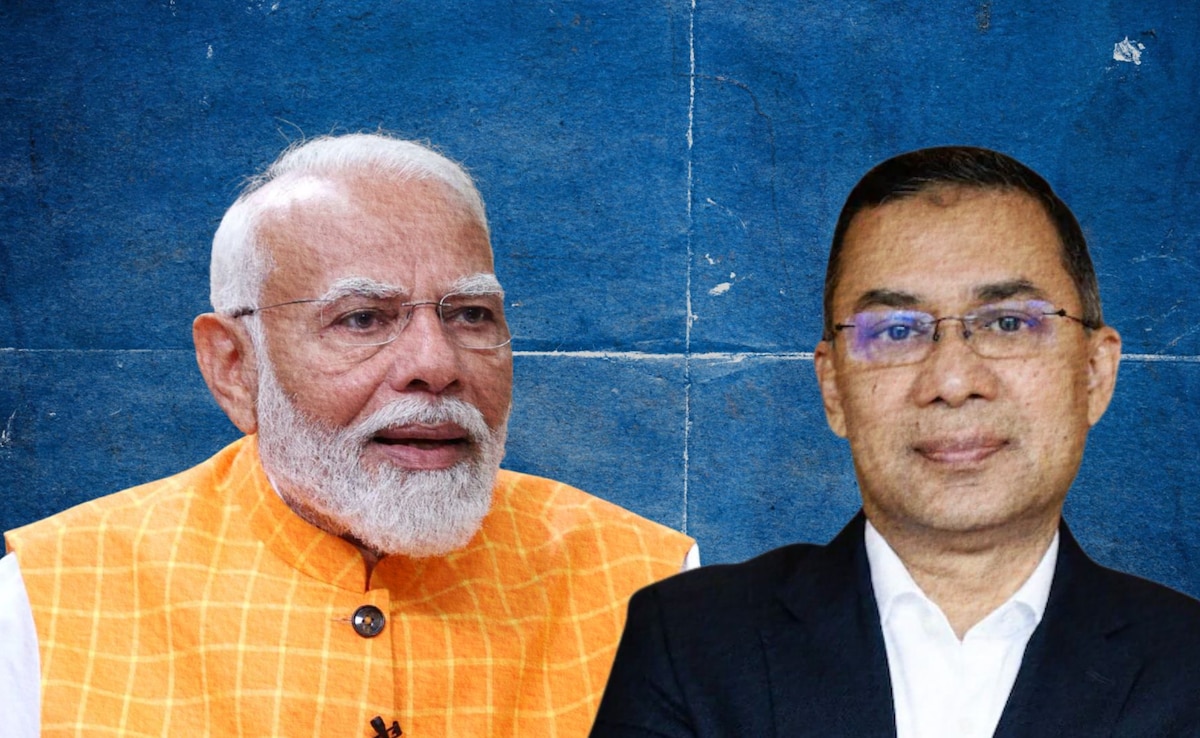
Tarique Rahman just pulled a classic diplomatic power move. By congratulating the BJP on their recent success in the West Bengal assembly elections, the Bangladesh Nationalist Party (BNP) leader isn't just being polite. He's setting the stage for one of the most contentious battles in South Asian hydro-politics: the Teesta River water-sharing treaty.
If you've followed the drama between Dhaka and Delhi, you know this isn't just about a river. It's about survival for millions of farmers and a massive test for the "friendship" between a newly elected BNP government and a BJP-led India.
A New Era for BNP and BJP Relations
For years, the narrative was simple. India backed the Awami League, and the BNP looked toward China. But the 2026 political landscape has shifted. After winning a landslide victory in Bangladesh's February elections, Tarique Rahman is pivoting toward pragmatism. He's not looking to start a fight; he's looking for a deal.
Congratulating the BJP for its performance in West Bengal is a strategic olive branch. In the past, West Bengal's state leadership—specifically Mamata Banerjee—was the primary roadblock to the Teesta deal. By reaching out now, the BNP is essentially saying, "The political map has changed. Can we talk about the water yet?"
It's a smart play. The BNP knows that to fix Bangladesh’s economy, they need stable relations with their giant neighbor. But they also need to show their voters they can deliver what the previous regime couldn't.
The Teesta Deadlock Explained Simply
The Teesta River is the lifeline for the northern districts of Bangladesh. During the dry season, the flow drops so low that farming becomes nearly impossible. Bangladesh wants a fair share—ideally 50% of the water—while India has historically struggled to balance this with the needs of its own farmers in West Bengal.
- The 2011 Failure: A deal was almost signed, but it was scuttled at the last minute by state-level opposition in India.
- The China Factor: Frustrated by delays, Bangladesh began looking at a $1 billion Teesta River Comprehensive Management and Restoration Project funded by China.
- The BNP’s Stance: Tarique Rahman has been vocal about a "Bangladesh First" policy. He wants the water, and he’s willing to use both diplomacy with India and leverage with China to get it.
Why the West Bengal Election Results Change Everything
Politics in India isn't just about what happens in New Delhi. When it comes to transboundary rivers, the state government holds massive sway. With the BJP gaining significant ground or control in West Bengal, the dynamic changes.
If the same party holds power in both the center (Delhi) and the state (Kolkata), the "we can't get the state to agree" excuse starts to wear thin. Tarique Rahman knows this. His congratulatory message is a subtle reminder to Prime Minister Modi: "You have the mandate now. Let’s finish the job."
What Tarique Rahman Actually Wants
Honestly, it’s about more than just cubic meters of water. It's about legitimacy. The BNP wants to prove it's a responsible international actor, not the "anti-India" party it’s often painted as. By engaging directly with the BJP leadership, Rahman is attempting to bypass decades of mutual suspicion.
However, don't think for a second that the BNP is going soft. The party's 51-point manifesto is clear about claiming fair shares of common rivers. They're also pushing for an end to border killings and a more balanced trade relationship. The Teesta request is just the tip of the spear.
The Risks of This High-Stakes Diplomacy
This isn't a guaranteed win. There’s a lot that could go wrong.
- Domestic Backlash: If Rahman gets too close to India without securing the water, his base might see it as a sell-out.
- BJP’s Internal Pressure: Even with gains in Bengal, the BJP still has to answer to local farmers who fear losing water to Bangladesh.
- The Extradition Issue: Let’s not forget that Sheikh Hasina is still in India. The BNP government wants her back to face trial. This remains a massive elephant in the room that could crush any "water-for-friendship" deal.
What Happens Next
Watch the next few months closely. If we see a high-level BNP delegation heading to Delhi—or a return visit from Indian officials—it means the Teesta deal is back on the table. Rahman has made his move. Now, the ball is in India’s court.
For anyone living in the Rangpur division or the northern farm belts of Bangladesh, this isn't a political game. It's a question of whether they'll have enough water to plant their next crop. The "Teesta request" is the first real test of whether the BNP-BJP relationship will be a partnership of necessity or a repeat of the old stalemates.
Start keeping an eye on official foreign ministry statements from both sides. The language they use about "regional stability" and "integrated water management" will tell you exactly how close—or far—we are from a breakthrough.
BNP Thanks PM Modi After Tarique Rahman's Big Election Victory in Bangladesh
This video provides essential context on the evolving relationship between the BNP leadership and the Indian government following the 2026 elections.