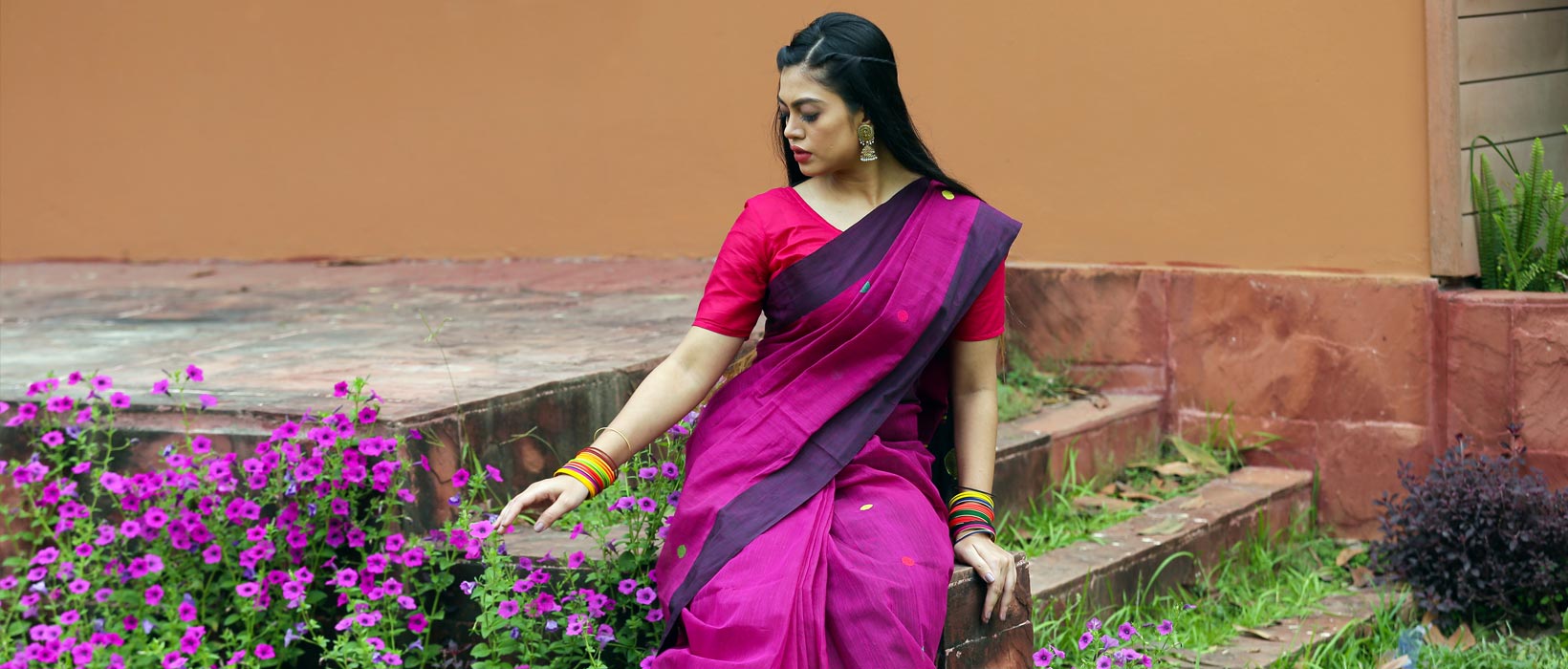
Cultural heritage is being suffocated by paperwork. While the media fawns over the recent showcase of Tangail sarees in New Delhi, they are missing the forest for the threads. The narrative is always the same: a celebratory "victory" for artisanal tradition, a nod to diplomatic soft power, and a vague promise of "preserving" a dying art.
It is a lie.
The obsession with Geographical Indication (GI) tags and high-profile exhibitions isn't saving the Tangail saree. It is turning a living, breathing industry into a museum exhibit. If you think a stamp of origin from a government office in Dhaka or New Delhi fixes the systemic rot in the handloom sector, you haven’t spent enough time on a factory floor.
The "lazy consensus" suggests that by defining exactly who can call a saree "Tangail," we protect the weavers. In reality, we are building a fence around a burning house.
The GI Tag Paradox: Protection as Stagnation
The recent tug-of-war between India and Bangladesh over the Tangail GI tag is a masterclass in missing the point. Bureaucrats squabble over borders while the actual weavers are exiting the trade in droves.
A GI tag is essentially a marketing tool for the elite. It creates a "prestige" tier that allows high-end boutiques in New Delhi or Dhaka to justify a 400% markup. Does that wealth trickle down to the artisan in Pathrail? Rarely. I have seen trade bodies spend more on the legal fees for a GI application than they spent on upgrading the actual looms of the people they claim to represent.
When we fixate on "authenticity" based on geography, we stifle innovation. The Tangail saree survived for centuries because it was adaptable. It migrated. It evolved. By codifying it into a rigid legal definition, we prevent the craft from responding to modern market demands. We are effectively telling weavers, "You can only be successful if you do exactly what your grandfather did, even if the modern consumer doesn't want to buy it."
Authenticity is a Marketing Scam
The industry insiders love to talk about the "soul" of the weave. Let’s talk about the economics instead.
The handloom industry is currently propped up by guilt and nostalgia. People buy a Tangail saree because they feel a moral obligation to "support the weavers." That is not a sustainable business model. It’s charity.
The "traditional" Tangail saree, known for its fine count and intricate par (border) work, is increasingly out of touch with the lifestyle of the modern woman. While the New Delhi exhibitions show off masterpiece pieces that take months to weave, the average weaver needs to produce volume to eat.
The competitor's narrative focuses on the "glamour" of the New Delhi stage. But go to the actual hubs. You will find that the highest-quality yarn is becoming unaffordable, and the "protection" offered by trade agreements doesn't account for the skyrocketing cost of raw materials.
We are celebrating the packaging while the product is being hollowed out.
The Myth of the "Dying Art"
Stop calling it a dying art. It isn’t dying; it’s being strangled by middle-men and poor infrastructure.
The common misconception is that young people don't want to weave because they lack "passion." That's nonsense. They don't want to weave because they can earn three times as much working in a garment factory or driving a ride-share.
If we want to "save" Tangail, we need to stop romanticizing the struggle.
- Mechanize where it makes sense. There is a purist obsession with "100% hand-made." Why? If a semi-automated process can handle the mundane aspects while leaving the intricate jacquard work to the human hand, we increase productivity and wages.
- Shorten the supply chain. The "New Delhi showcase" usually involves five layers of intermediaries between the weaver and the buyer. Each layer takes a cut.
- Redefine the aesthetic. Stop making sarees that only look good in a glass case. Tangail techniques should be applied to modern silhouettes, upholstery, and global fashion.
The Border Dispute Distraction
The friction between India and Bangladesh regarding the origin of the Tangail saree is a political theater that helps exactly zero weavers. The craft belongs to the people, not the state.
Historically, the Basak community of weavers moved between regions. To claim the craft belongs exclusively to one side of a line drawn in 1947 is historically illiterate. Yet, the media eats it up because "trade wars" make for better headlines than "logistics improvements."
While the two nations argue over who "owns" the heritage, the market is being flooded by cheap, power-loom imitations from China and large-scale industrial hubs that mimic Tangail patterns. These imitations don't care about GI tags. They care about price points. And they are winning.
Your "Handmade" Obsession is Part of the Problem
Consumer demand for "cheap handmade" is an oxymoron that fuels exploitation.
If you want a genuine Tangail saree, you should be prepared to pay a price that reflects the labor-hours involved. Most "authentic" sarees sold in major metros are compromises. They use sub-par silk or cotton blends to hit a price point that the middle class finds acceptable.
By demanding "traditional" products at "modern" prices, the consumer forces the weaver to cut corners. The result is a degradation of the very craft we claim to be protecting.
I’ve walked through the clusters where these "exhibition pieces" originate. The disparity between the gala events in New Delhi and the soot-covered workshops is staggering. The gala isn't a sign of success; it's a distraction from the failure to build a functional, modern industry.
Why the Current Strategy Fails
The strategy of "exhibitions and tags" fails because it treats the symptom, not the disease.
- The Disease: Lack of direct market access and credit.
- The Symptom: Low visibility.
Giving a weaver an award at an exhibition doesn't help him buy yarn when the prices spike next month. It doesn't help him withstand a season of bad weather. It doesn't give him the data to know which colors will be trending in London or New York next year.
We need to stop treating weavers like "keepers of the flame" and start treating them like entrepreneurs. This means moving away from the "master weaver" model—which often functions like a feudal system—and toward decentralized, tech-enabled cooperatives.
The Brutal Truth About Sustainability
Everyone loves to use the word "sustainable" when talking about handlooms. They mean it’s eco-friendly. But a business that cannot pay its workers a living wage is not sustainable, no matter how many organic dyes it uses.
The Tangail saree industry is currently a bubble built on nostalgia. When the older generation of buyers—those who remember their mothers wearing these sarees daily—disappears, the bubble will burst. The New Delhi "center stage" moment is a swan song, not a revival, unless we fundamentally change what we are selling.
We need to stop asking "How do we preserve this?" and start asking "How do we make this profitable enough that a 20-year-old chooses a loom over a laptop?"
If the answer involves a GI tag and a government-sponsored trade fair, you’ve already lost.
The real future of Tangail isn't in a New Delhi ballroom. It’s in high-speed logistics, yarn price stabilization, and a radical departure from the "traditional" designs that have become a creative straightjacket.
Either we let the craft evolve, or we watch it become a footnote in a history book, beautifully preserved and completely dead.
Put down the champagne and fix the looms.


