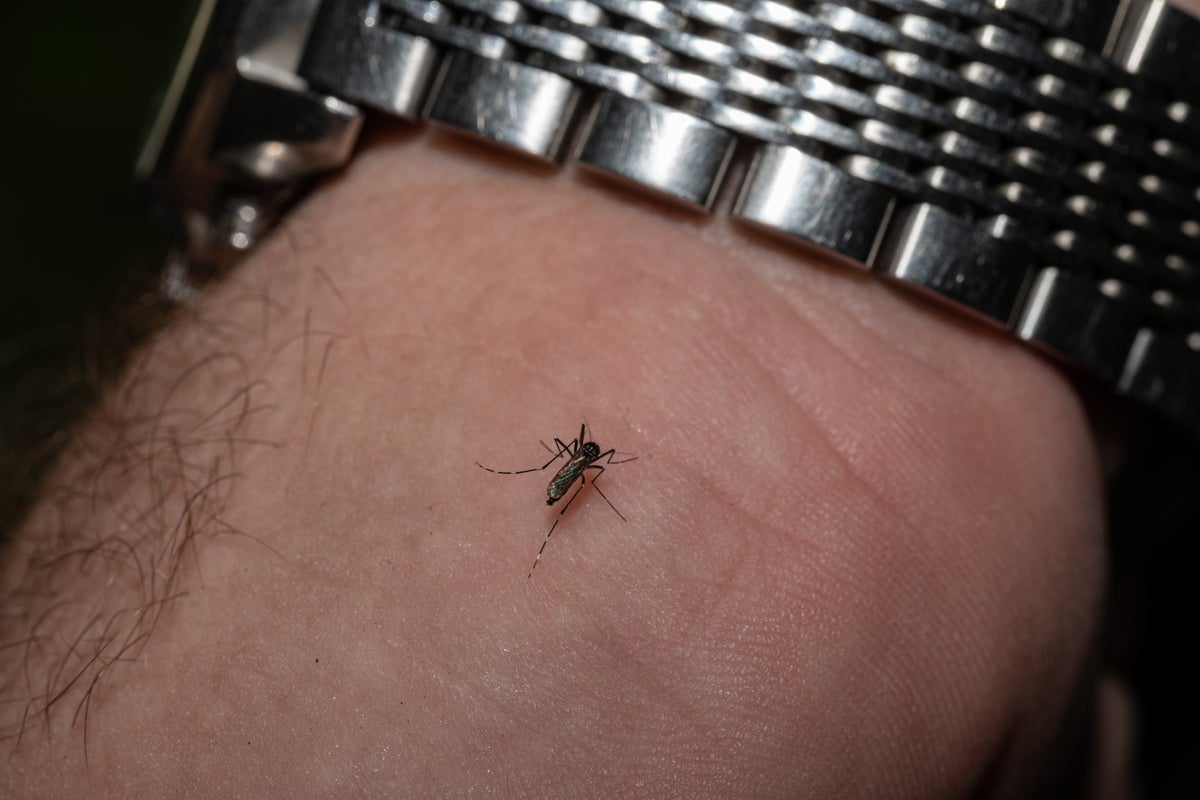
You’re enjoying a quiet evening on the porch as the sun dips below the horizon. The air cools down, the breeze picks up, and then you hear it. That high-pitched buzz near your ear. Most of us just swat at the mosquito and move on. We don't think twice about the potential consequences. But in 2026, those tiny, persistent pests are carrying more than just an annoying itch. West Nile virus is making its presence known again, and if you’re ignoring it, you’re making a mistake.
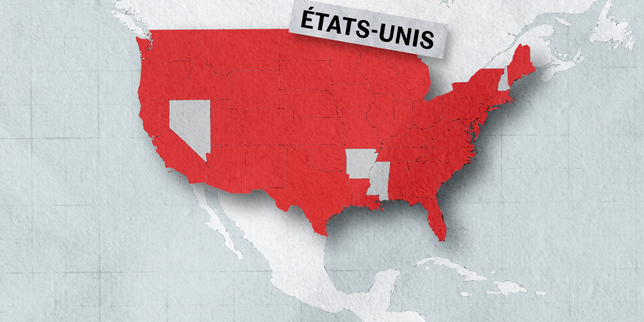
Right now, we are entering the peak season for this mosquito-borne infection. Typically stretching from June through October, the danger zone hits its stride in late August and early September. Data from across the country shows that the virus isn't just a distant headline. It's active in our communities. In California alone, human cases are climbing, with multiple counties reporting positive tests in both mosquitoes and residents. It’s not just a West Coast issue, either. The virus is the leading cause of mosquito-borne disease in the contiguous United States.
The Reality of the Infection
Most people who get bitten by an infected mosquito never know it. Roughly 80% of infections result in no symptoms at all. You might feel perfectly fine. However, about one in five people will develop what’s often called West Nile fever. This brings on body aches, joint pain, vomiting, diarrhea, or a rash. It feels a lot like a nasty flu, and for many, that’s where it ends.
The danger lies in the less than 1% of cases where the virus enters the central nervous system. This is when things get serious. We’re talking about encephalitis or meningitis—swelling of the brain or the membranes surrounding it. Symptoms include high fever, neck stiffness, disorientation, muscle weakness, and in rare but tragic instances, death. If you’re over 60 or have a compromised immune system, your risk for these severe complications is significantly higher.
Why 2026 Feels Different
You might have noticed the news lately about cases outpacing five-year averages in certain areas. This isn't just bad luck. Environmental factors play a massive role. An uncharacteristically warm winter followed by a humid spring can create a perfect storm for mosquito populations to explode. When temperatures rise, the virus itself replicates faster inside the mosquito, increasing the efficiency of transmission.
It’s frustrating because there’s no vaccine to prevent this and no specific medicine to treat it once you have it. Doctors focus on supportive care—IV fluids, pain medication, and helping you manage severe symptoms while your immune system does the heavy lifting. Because there’s no "cure" you can grab from the pharmacy, your only real defense is prevention.
How to Actually Protect Yourself
Many people buy whatever bug spray is on sale and call it a day. That’s not enough. You need to be intentional.
- Check your repellent: Look for EPA-registered products containing DEET, picaridin, IR3535, or oil of lemon eucalyptus. These have been proven to work. If it isn't EPA-registered, you're basically guessing.
- Timing matters: Mosquitoes carrying West Nile are most active during dawn and dusk. If you’re going to be outside during these windows, wear long sleeves and pants. It’s not a fashion statement; it’s a barrier.
- Audit your yard: You’d be surprised where these things breed. A bottle cap full of water is enough for them to lay eggs. Check your gutters, empty out those decorative pots, and keep your birdbaths clean.
- Seal the perimeter: Ensure your window and door screens are in good shape. A small tear is like an open invitation.
When to Seek Help
Don’t wait for a fever to turn into a medical crisis. If you’ve been outdoors recently and start experiencing a severe headache, high fever, or neck stiffness, get to a doctor. It’s easy to brush off "a bit of a headache" as simple exhaustion, but when it’s combined with confusion or muscle weakness, it’s time to take it seriously.
Be vigilant. Keep an eye on your local health department’s reports if you live in an area with active cases. You don't need to live in fear, but you should absolutely respect the risk. Stay protected, keep your surroundings clear of standing water, and keep your guard up until the first real frost of the year. That's the only way to effectively lower your risk.