Money talks loudest when the airspace gets crowded. Taiwan just pushed its proposed defense budget past the milestone of NT$1.1225 trillion, crossing three percent of its gross domestic product. President Lai Ching-te calls this historic cash injection an investment in peace. Critics call it a provocation.
If you look past the political posturing, you find an island trying to buy time through asymmetric deterrence. China's military pressure isn't letting up. Fighter jets cross the median line on the regular, and warships hover near coastal waters. Taipei needs a credible shield, and shields cost billions.
The Trillion Dollar Reality
Breaking the trillion-dollar barrier for 2027 sounds massive, but numbers alone don't stop ballistic missiles. The total package combines annual allocations with special budgets designed to overhaul how Taiwan fights. For years, defense analysts argued that Taipei spent too much money on expensive legacy platforms like heavy tanks and large frigates. Those giant assets make easy targets in a modern conflict.
The shift now targets smaller, mobile, and lethal hardware. Think thousands of drones, fast anti-ship missiles, and resilient coastal defense networks. Washington keeps turning up the heat on allies to fund their own security, mirroring demands made across Europe. Lai embraces this pressure openly. He wants to prove to foreign partners and domestic skeptics that Taipei takes its own survival seriously.
Buying advanced defense tech also means boosting local manufacturing. Taiwan isn't just shopping abroad; it builds its own submarines and naval hardware. Creating an indigenous military industrial base keeps supply chains local when things get chaotic.
Political Friction at Home
Throwing cash at the military sounds simple on paper, but domestic politics complicate everything. Taiwan's parliament operates under heavy opposition scrutiny. Lawmakers from rival parties refuse to hand over a blank check. They demand strict fiscal accountability, arguing that government spending needs absolute transparency.
Recent budget delays prove that pushing major financial packages through a divided legislature takes serious political capital. Lai faces the tough job of convincing parliament that every extra dollar goes toward actual security rather than bureaucratic waste. When you mandate higher spending during an economic transition, citizens notice.
Yet public sentiment remains complex. People living under daily geopolitical pressure understand the stakes. They also want reassurance that massive military budgets won't gut public services or economic growth. Balancing social welfare with a wartime readiness posture tests any administration.
What This Means for Regional Stability
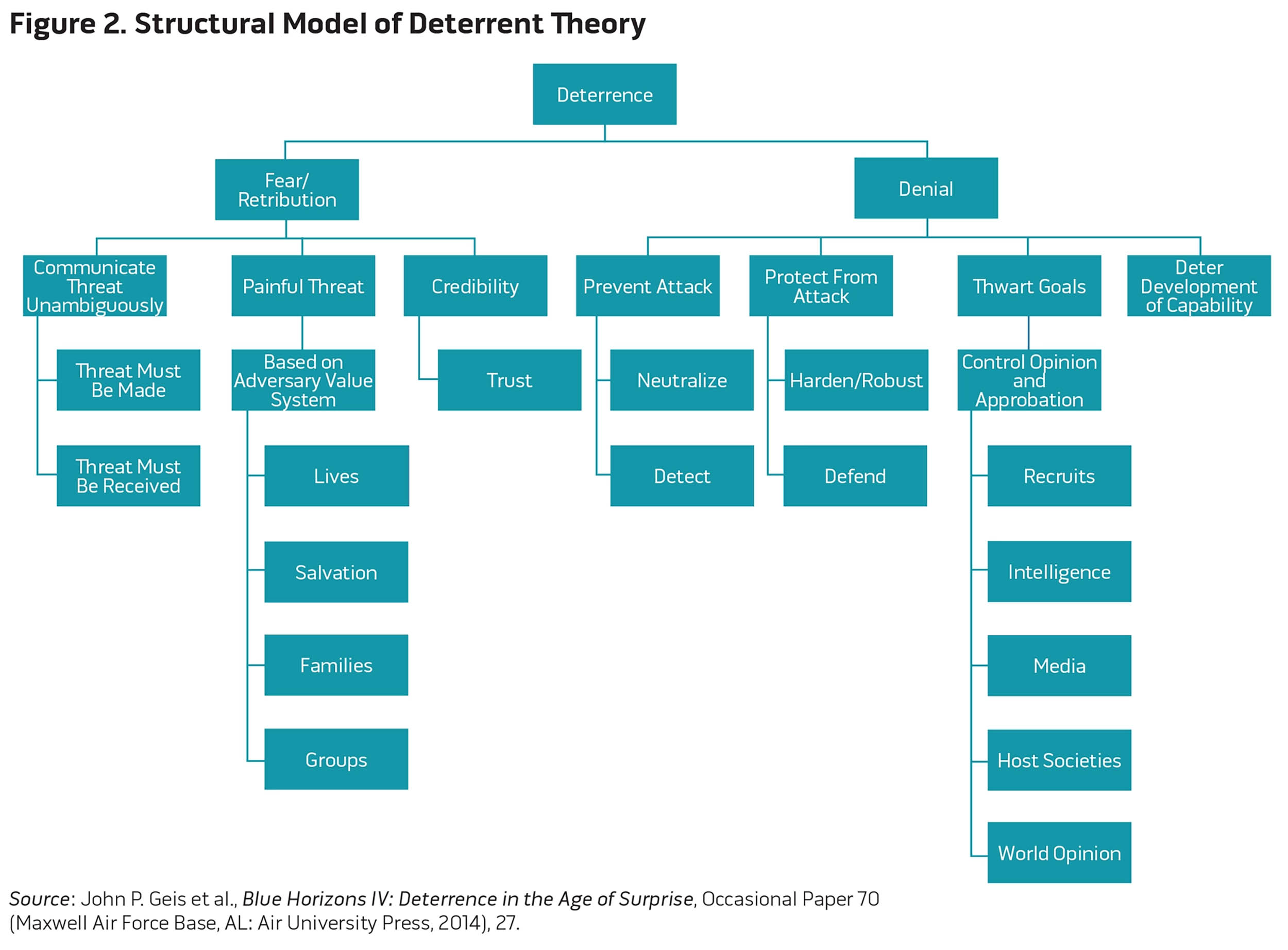
Beijing routinely labels these military upgrades as a wasteful charade that stokes regional panic. State media frames Taiwan's spending as fuel for a conflict that nobody wins. But Taipei views the equation differently. Deterrence works when aggression becomes too expensive to launch.
By raising the cost of any potential invasion, Taiwan hopes to lock in the status quo. Peace across the strait relies on keeping the barrier high enough that crossing it feels unthinkable. The upcoming budget presentation on Thursday will reveal exact allocations for these defense goals. Watch the drone and missile procurement lines closely. Those numbers tell you how fast the island's military modernization actually moves.