The concept of Swiss neutrality is taking a beating, and the Kremlin is watching every move. On September 27, 2026, voters across Switzerland will head to the polls to decide on a constitutional amendment known as the Neutrality Initiative. Pushed hard by right-wing figures like Christoph Blocher and the Swiss People’s Party, this vote aims to codify a rigid, unyielding version of neutrality into the nation's foundational text. At its core, the proposal wants to ban Switzerland from ever joining economic sanctions against belligerent states unless mandated by the United Nations.
If that sounds like a direct reaction to Bern's decision to adopt European Union sanctions against Russia after the 2022 invasion of Ukraine, that's because it is. Moscow knows it. Swiss security analysts know it. And foreign interference operations are leaning into it.
How Moscow Tries to Sway Swiss Voters
You don't have to look very hard to see foreign fingerprints on the digital discourse surrounding this referendum. State-backed Russian media outlets like RT DE have ramped up their coverage, painting the Swiss Federal Council as a puppet of Western warmongering while praising the rigid stance of the neutrality proponents. According to experts like Ulrich Schmid from the University of St. Gallen, the overarching goal from the East is simple: normalize the war in Ukraine by framing it as a routine interstate dispute where everyone should just stay out of it.
Kremlin-linked narratives flood platforms like X, TikTok, and Instagram, attempting to polarize an electorate that fiercely prides itself on independence. The State Secretariat for Security Policy (SEPOS) has noted a clear spike in targeted foreign influence operations designed to undermine trust in Swiss democratic institutions.
Yet, treating this purely as a Russian psyop misses domestic political realities. The appetite for this vote stems from genuine internal anxiety over identity. For decades, the Swiss identity was anchored in being the impartial mediator, the global safe space for peace talks, and the ultimate outsider in European geopolitical squabbles. Aligning with EU sanctions felt to many traditionalists like selling out centuries of diplomatic capital.
The Reality Behind the Chants in Bern
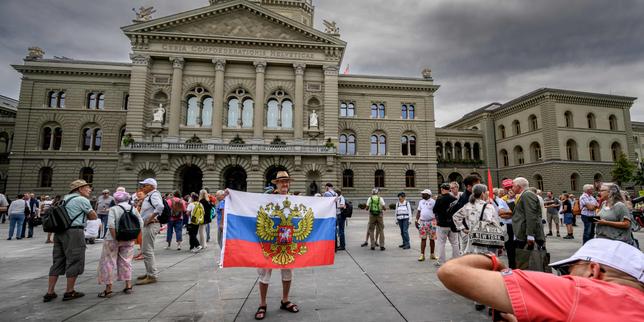
Anti-NATO slogans and fiery speeches outside the Federal Palace in Bern tell one story, but cold polling data tells another. While roughly 85 percent of the Swiss public still broadly supports the abstract idea of neutrality, translating that into an absolute constitutional block on sanctions is proving deeply controversial.
Recent surveys show the initiative facing an uphill battle, with a significant block of voters wary of tying the government's hands during international crises. The Swiss government and parliament strongly oppose the measure, arguing that a flexible approach to foreign policy is the only way to remain relevant in a fractured world. Foreign Minister Ignazio Cassis has repeatedly warned that rigid isolation won't protect Switzerland; it will just marginalize it.
Critics of the initiative also point out the hypocrisy within the campaign. While proponents argue that adopting EU sanctions ruined Switzerland's moral high ground against Russia, tying Bern's hands completely would effectively neuter its economic leverage against blatant violations of international law. Because Russia holds a permanent veto on the UN Security Council, any future UN-backed sanction regime is a dead letter, meaning a strict neutrality rule would give authoritarian regimes a permanent pass.
What Happens Next on September 27
Constitutional amendments in Switzerland require a double majority of both the popular vote and the cantons. Winning that kind of mandate requires overwhelming domestic momentum, which the initiative's sponsors are struggling to maintain as the debate exposes deeper questions about modern security.
Whether the vote passes or fails, the debate has permanently altered how Switzerland views its place in Europe. The illusion that a wealthy European nation can completely detach its economy and values from its immediate neighbors has shattered. Watch the ballot boxes closely on September 27, because the outcome will signal whether Europe's most famous neutral state leans further into international cooperation or retreats behind constitutional walls.
Check out SWI swissinfo.ch for ongoing coverage of the financial and political implications of the upcoming referendum, or visit the Swiss Federal Administration portal to read the official text and arguments surrounding the Neutrality Initiative.
The Swiss face a historic choice on neutrality
This video provides a helpful overview of the major arguments and political tensions driving the upcoming Swiss neutrality referendum.
http://googleusercontent.com/youtube_content/1