When residential neighborhoods turn into combat zones overnight, the human cost goes far beyond immediate headlines. The recent allegations coming out of Balochistan paint a grim picture of state violence that demands serious global scrutiny.
The Baloch Students Organization-Azad (BSO Azad) recently came forward with explosive claims. They stated that a Pakistani aerial attack struck the Gundan area in Gidar, Surab, under the cover of night on August 12. According to their reports, over twenty civilians—including children, women, and elderly residents—lost their lives while sleeping in their own homes. Dozens more suffered severe injuries, ranging from extensive burns to the loss of limbs.
Beyond the Official Narrative
Whenever military operations hit civilian settlements, a fierce battle over the narrative immediately follows. State authorities often attempt to reframe such incidents. In this case, local groups and activists claim that official channels tried to mask the aerial bombardment as a simple ground-level explosion or an IED incident.
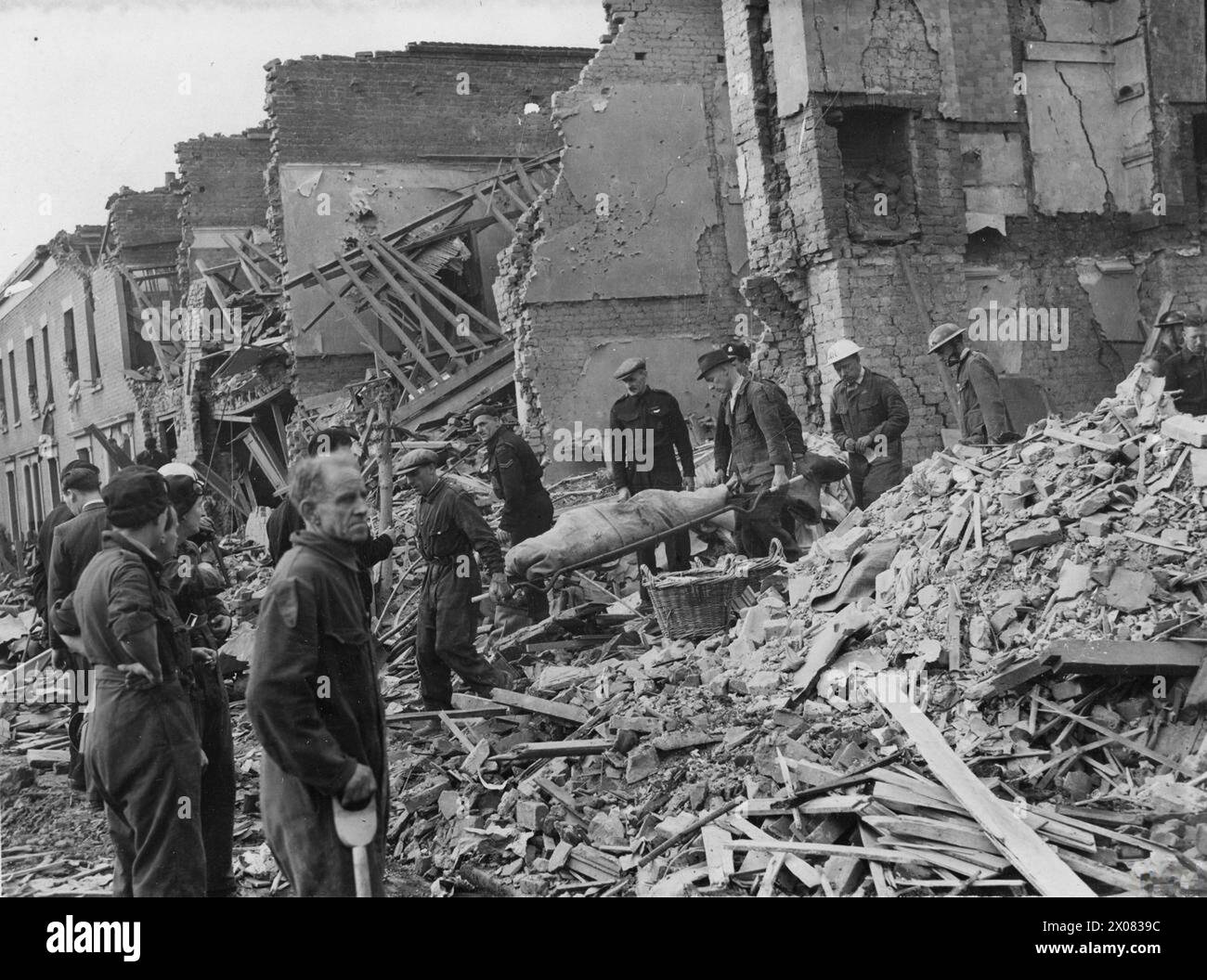
However, activist groups and regional organizations pushed back hard. They circulated video footage showing alleged missile debris recovered from the site. This visual evidence forms the core of their argument that formal military hardware, rather than local militant activity, caused the destruction. When you look at the flattened mud-brick homes and the displaced families wandering through the wreckage, the discrepancy between official statements and ground realities becomes glaringly obvious.
A Wider Pattern of Unreported Crises
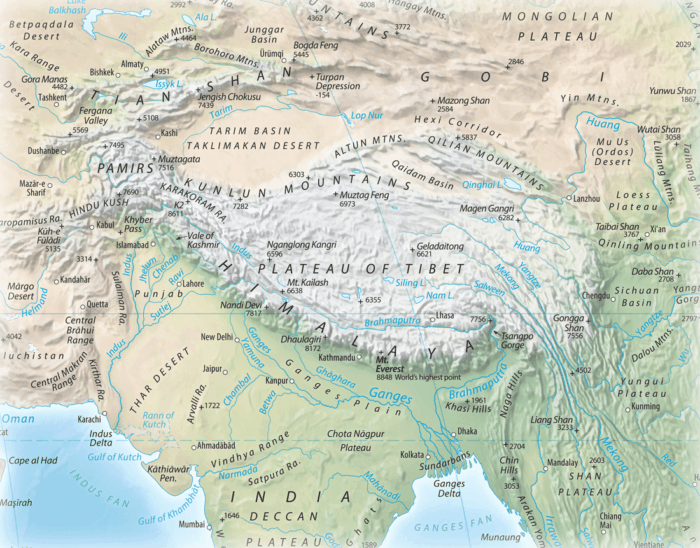
Surab isn't an isolated anomaly. It fits neatly into a long, bloody timeline of military operations across Balochistan. Over the past few years, similar allegations of aerial shelling, drone strikes, and sudden raids have emerged from regions like Panjgur, Mastung, Dera Bugti, and Kohlu.
Think about the human toll of these recurring operations. Families are repeatedly uprooted. Infrastructure is flattened. Trust in institutions evaporates entirely. When a shepherd gets caught in a drone strike in Mastung or an infant is killed in a Panjgur bombardment, it sends a chilling message to the entire local population. The frequency of these events normalizes tragedy, turning human lives into mere statistics in an endless cycle of conflict.
The Push for International Accountability
Local resistance groups and international diaspora figures aren't just letting this pass quietly. Organizations like BSO Azad and the Baloch National Movement (BNM) are actively demanding outside intervention. They are calling on global bodies, including the European Union and the United Nations, to launch independent investigations.
Some activists have even urged foreign governments, such as the United States, to freeze military hardware support and reevaluate trade preferences like the EU's GSP+ status for Pakistan. They argue that economic and diplomatic leverage remains the only way to force transparency and hold perpetrators accountable for potential war crimes.
Ignoring these cries for justice won't make the crisis go away. As long as civilian areas bear the brunt of counter-insurgency tactics, resentment will deepen, and the cycle of unrest will only accelerate. True stability can never be built on the ruins of civilian homes.