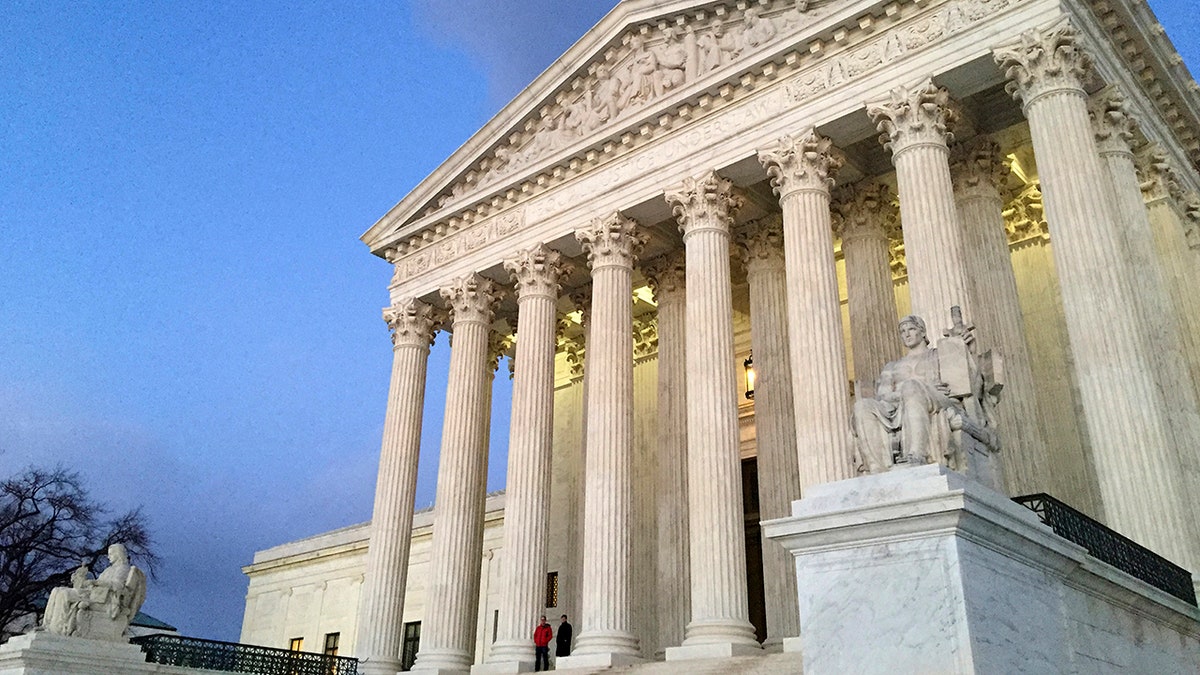
Elections spark chaos when rules change at the last minute. This year, the United States Supreme Court stepped in to stop a massive shake-up just before the midterm cycle. By refusing to lift a lower court order, the justices kept a lid on sweeping mail-in ballot restrictions that would have upended how millions vote.
If you've been trying to figure out whether your mail-in ballot is going to arrive, get rejected, or face sudden new hurdles, you aren't alone. The legal brawl over the U.S. Postal Service and voting rules created a ton of noise. Let's cut through it and look at what actually happened, why it matters, and how it impacts you right now.
What the Postal Service Tried to Pull
The whole mess started when the administration rolled out aggressive new rules designed to heavily restrict how mail-in ballots are handled. Under the guidance, the Postal Service would have been forced to enforce strict requirements, including unique barcodes and pre-approved lists of voters provided well in advance. If state election offices didn't jump through every single administrative hoop, the postal service wouldn't deliver the ballots.
Critics immediately pointed out the obvious flaw. The Postal Service isn't an election administrator. Giving a federal mailing agency the power to filter out ballots based on strict new technicalities effectively hands unelected postal bureaucrats a veto over democratic participation.
Voting rights groups, including the League of Women Voters, rushed to court. They argued that throwing up sudden administrative road blocks right before a major election would disenfranchise countless Americans who rely on the mail—ranging from older adults and rural voters to military members stationed overseas.
The Supreme Court Stays Out of the Way
Lower courts agreed with the challengers and slapped a preliminary injunction on the postal rules, blocking them from going into effect. The administration appealed all the way to the Supreme Court, asking the justices to step in and clear the way for the new restrictions.
The high court declined to do so. By leaving the lower court's block in place, the Supreme Court ensured that the status quo remains untouched for the midterms. Voters can cast their mail-in ballots without worrying that the postal service will refuse delivery over these specific new federal demands.
It is a massive relief for local election boards, too. Election officials across the country spent months preparing for the cycle under existing state guidelines. Trying to overhaul barcode requirements and mailing logistics weeks before ballots hit mailboxes would have triggered systemic meltdown.
Why This Ruling Reshapes the Midterms
Control of Congress always hinges on razor-thin margins. When millions of voters cast ballots by mail, even a tiny percentage of disqualified envelopes can swing a tight House race.
By keeping the restrictive postal rules sidelined, the court preserved a primary avenue of access. Mail-in voting has steadily grown into a preferred method for millions of citizens. Forcing sudden changes into the mix would have created widespread confusion, long lines at remaining drop boxes, and a flood of litigation over discarded envelopes.
Yet, this isn't the end of the legal war over election administration. The broader fights over executive overreach, voter roll purges, and federal data access continue to wind through the courts. Every cycle brings a fresh wave of litigation aimed at shifting the rules of engagement.
If you plan to vote by mail, check your local election office website today. Make sure your address is current, request your ballot early, and track it online once you drop it in the mail. Don't let last-minute legal headlines catch you off guard.