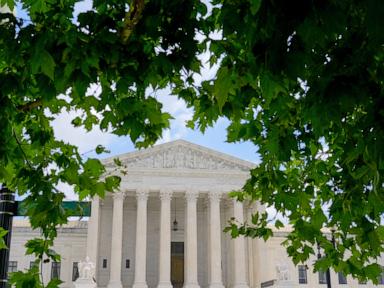
The Supreme Court just greenlit a logistical disaster. By declining to block Texas from enforcing its App Store Accountability Act, the high court handed a victory to political theater while ensuring every smartphone owner in Texas is about to hand over sensitive personal data to state-approved identity brokers.
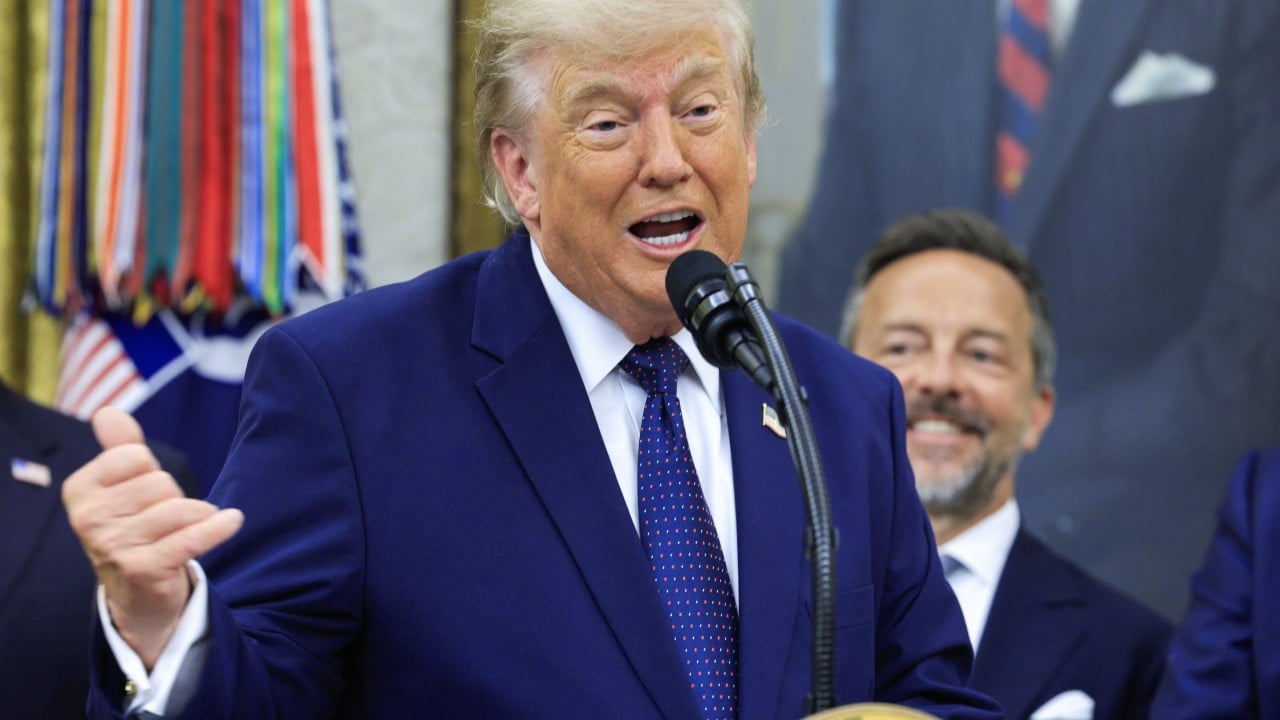
The media is covering this as a classic ideological battleground. On one side, you have Texas Attorney General Ken Paxton claiming he is protecting children from dangerous modern products. On the other side, tech lobbying groups are screaming about the First Amendment.
They are both wrong. They are arguing about a high-minded constitutional philosophy while completely ignoring the brutal technical reality of how software actually works.
This isn't about free speech or protecting children. This is about the total execution of digital anonymity.
The Myth of the Clean Filter
The lazy consensus among lawmakers is that an app store is a digital vending machine. You walk up, you show your ID, you get your soda, and you walk away.
But a mobile OS is an ecosystem of deeply interconnected services. Under Texas Senate Bill 2420, Apple and Google are now mandated to verify the age of every single person downloading any piece of software. It does not matter if you are downloading a radical political forum or a utility to calculate tip percentages. You must prove who you are.
I have spent fifteen years managing product infrastructure for mobile applications. I have seen companies watch their conversion rates collapse by 80% the moment they add a single extra field to a registration form. Forcing a user to upload a driver's license or scan their face just to download a calculator app is a catastrophic friction point.
But user frustration is the least of our problems. The true disaster is the data honey pot this law creates.
To verify hundreds of millions of users across state lines, tech platforms will not build these verification mechanisms themselves. They cannot. The liability is too high. Instead, they will outsource the task to third-party identity verification vendors.
Imagine a scenario where three or four private, venture-backed verification startups suddenly hold the biometric data, government ID numbers, and live facial scans of every adult and minor in the second-largest state in America. This is not a theoretical risk. These databases are high-value targets for malicious actors. We are actively mandating the creation of the world's most lucrative identity theft targets under the guise of child safety.
The Compliance Trap for Small Developers
The loudest voices in this debate focus entirely on Big Tech. They talk about Apple. They talk about Google. They act as if these trillion-dollar entities are the only ones affected.
They are completely blind to the independent developer economy.
Texas requires app developers to categorize their software into four strict age buckets. If you get it wrong, or if a state regulator decides your app belongs in a different tier, you face crushing fines.
Consider the operational burden this places on a two-person development team building an educational tool or a local utility app:
| Requirement | Impact on Tech Giants | Impact on Independent Developers |
|---|---|---|
| Legal Review of Content Tiers | In-house counsel handles it in minutes. | Requires thousands in external legal fees. |
| Identity Verification Integration | Subsidized by massive hardware margins. | Impossibly expensive API call costs per user. |
| Data Retainment Audits | Automated compliance machinery. | Manual tracking that invites crippling state fines. |
When you increase the cost of compliance to this degree, you do not clean up the internet. You simply kill the open market. The only entities capable of surviving this legal environment are the massive, entrenched platforms that lawmakers claim they want to regulate. The independent software ecosystem in Texas will shrivel.
The Flawed Analogy of the Physical Bookstore
During the lower court battles, District Judge Robert Pitman famously wrote that this law is akin to requiring every bookstore to verify the age of every customer at the door. It was a well-intentioned analogy, but it fundamentally misrepresents the nature of software distribution.
A book is a static object. You buy it, you take it home, and the store has no idea if you read it, burned it, or lent it to your neighbor.
An app is dynamic, live-updating code. It collects location data, accesses device telemetry, tracks telemetry usage, and communicates with external servers constantly. By forcing the marketplace operator to lock down the entry point, the state is forcing a fundamental architectural change on the device itself.
If an adult wants to download an app for a teenager, the law mandates a linked account structure with explicit, transaction-by-transaction consent. There is no option for blanket parental approval. This creates an unceasing stream of state-mandated notifications disrupting daily family life.
More importantly, it completely misunderstands teenage behavior. Minors who want access to restricted platforms do not throw their hands up because a digital wall appeared. They adapt.
We have seen this play out globally. When strict age verification rolled out for adult sites in western jurisdictions, VPN usage spiked instantly. Minors did not stop accessing content; they simply routed their traffic through unencrypted, shady, free VPN extensions that actively harvested their data and exposed them to far worse digital exploits.
The state is pushing kids off managed, mainstream platforms and forcing them into the digital underground.
The Real Winner Is Identity Brokerage
Follow the money. The tech giants do not want this law because it ruins their user experience and exposes them to massive liabilities. The activist groups hate it because it restricts access to information. Parents will hate it because of the endless notification fatigue.
The only people populating the champagne rooms right now are the executives at identity verification companies.
By failing to block this law, the Supreme Court has effectively subsidized a booming, unregulated sector of tech: the identity verification market. Every state that passes a clone of the Texas law creates a multi-million dollar recurring revenue stream for these data brokers.
The state of Texas is using the police power of the government to force private citizens to hand over their most intimate biological and government data to private corporations just to use their own hardware. It is a stunning inversion of conservative principles disguised as family values.
Stop asking whether this law protects kids. Start asking who owns the database that holds your face.