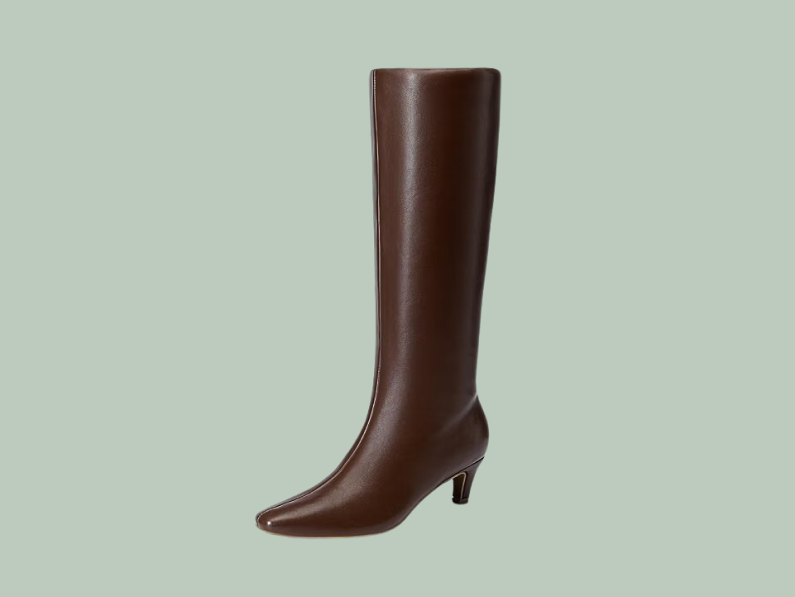
Effective wardrobe engineering requires evaluating footwear not as isolated aesthetic units, but as load-bearing infrastructure designed to manage environmental friction, thermal regulation, and biomechanical stress across shifting seasonal parameters. When ambient temperatures decline and precipitation increases, the functional demands placed on a lower-extremity wardrobe escalate significantly. Standard consumer approaches rely on superficial seasonal trends or transient stylistic cues, leading to rapid material degradation and suboptimal cost-per-wear ratios. A systematic methodology evaluates boots through three primary optimization vectors: thermal efficiency, substrate traction, and structural longevity.
Material Composition and Thermal Retention
The primary engineering challenge of autumn footwear involves balancing thermal insulation with moisture permeability. Standard commercial offerings frequently prioritize visual surface finishes over membrane integrity, resulting in compromised microclimates within the footwear interior.
Leather thickness and tanning methodology dictate moisture barrier performance. Full-grain hides subjected to oil-infusion treatments provide superior water resistance compared to corrected-grain alternatives treated with surface polymers. The hide structure retains natural collagen fibers that flex without fracturing under sustained dynamic tension, preventing structural failure at primary stress points such as the vamp crease and heel counter.
Insulation mechanics depend heavily on dead-air entrapment rather than sheer mass. Lined variants utilizing shearling or dense technical textiles create micro-voids that trap body heat while maintaining vapor transfer rates sufficient to prevent internal condensation from foot perspiration. Unlined leather boots rely entirely on external sock layering and air volume, shifting the thermal management burden directly to the consumer.
- Full-grain leather: Maximizes tensile strength and water resistance through natural fiber density.
- Suede and nubuck: Exposes split fibers, increasing aesthetic adaptability while exponentially raising vulnerability to particulate saturation and moisture damage.
- Technical membranes: Introduce hydrophilic or microporous barriers that block liquid ingress while permitting vapor diffusion, though they compromise long-term repairability compared to traditional stitched constructions.
Substrate Traction and Outsole Physics
Footwear failure during transitional weather patterns frequently originates at the interface between the outsole and the walking surface. Autumn environments introduce varied friction coefficients, transitioning from dry asphalt to wet leaf litter, compacted mud, and polished stone.
Outsole density and tread geometry govern dynamic grip performance. Hard-compound synthetic rubbers offer high abrasion resistance but suffer from reduced friction on wet, non-porous surfaces due to insufficient surface conformation. Conversely, softer compound formulations conform more effectively to micro-irregularities in walking substrates, increasing adhesive friction at the expense of accelerated tread wear.
Lug depth and channel distribution dictate fluid displacement efficiency. Shallow tread patterns prone to hydroplaning on slick surfaces require replacement with geometric lug configurations that channel water and particulate matter away from the central contact patch.
- Blown rubber: Reduces total weight and improves shock absorption, but abrades rapidly on abrasive urban concrete.
- Vibram or proprietary lugged rubber: Optimizes shear force resistance on uneven terrain through deep, self-cleaning channel voids.
- Leather soles with rubber top-lifts: Prioritize aesthetic formality and acoustic feedback, creating severe vulnerability to slip hazards in damp environments unless supplemented with after-market protective guards.
Construction Methodologies and Cost Functions
The longevity of a boot correlates directly with its assembly architecture. Consumer purchasing decisions typically underweight the total cost of ownership, focusing exclusively on acquisition price rather than lifecycle maintenance economics.
Blake-stitched and Goodyear-welted assemblies permit repeated resoling, extending the operational lifespan of the upper materials indefinitely. Cemented construction methods, while lowering initial manufacturing overhead, create terminal failure states once the adhesive bond degrades due to moisture exposure or thermal cycling.
The economic model of high-durability footwear relies on amortizing a higher initial capital expenditure across an extended operational timeline. A persistently maintained welted boot typically achieves a lower cost-per-year metric than repeatedly replacing bonded footwear manufactured with inferior structural substrates.
- Goodyear welt: Permits unlimited resoling cycles, isolates the interior from moisture ingress via the welt strip, and provides a cork-filling layer that molds to individual foot anatomy over time.
- Blake stitch: Offers greater flexibility and a sleeker profile by stitching directly through the insole to the outsole, though moisture transmission paths are more direct.
- Cemented construction: Eliminates stitching entirely, bonding the upper to the sole via chemical adhesives that resist restorative maintenance once failure occurs.
Procurement Optimization
Deploying capital toward seasonal footwear requires matching structural specifications to environmental exposure thresholds. Urban environments dominated by managed concrete and rapid indoor transit require different material configurations than rural or mixed-terrain environments subject to sustained moisture and abrasive debris.
Evaluate potential acquisitions by inspecting edge-finishing, stitch density per linear inch, hardware security, and leather temper. High-frequency users should eliminate bonded-sole variations immediately, restricting selections to repairable constructions fitted with weather-appropriate tread compounds. Prioritize the replacement of standard factory insoles with anatomically supportive alternatives if long-duration static standing or high-mileage pedestrian commuting forms the primary usage pattern.