Can you negotiate a peace treaty with a country while its military drops bombs on your launch pads? We're finding out the hard way. Early this morning, US and Iranian forces clashed violently near the Strait of Hormuz, completely upending the fragile optimism surrounding ongoing diplomatic talks in Qatar.
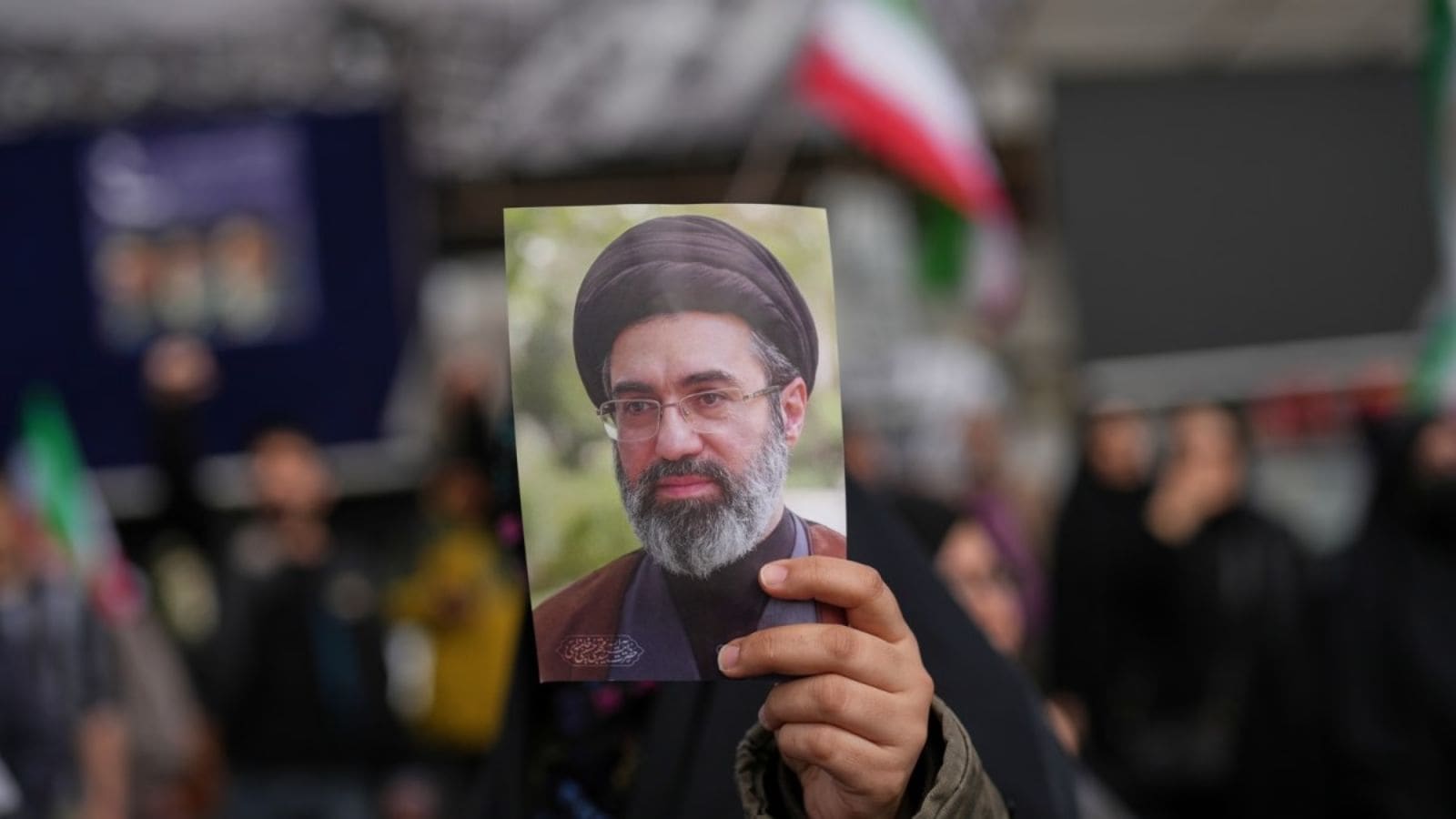
Right on the heels of these military strikes, Iran's newly minted Supreme Leader, Mojtaba Khamenei, issued a blistering warning on his Telegram channel. He declared that Gulf nations will no longer serve as a shield for American military bases, stating bluntly that the US no longer has a safe haven in the Middle East. If you liked this piece, you should check out: this related article.
This isn't just standard state-sponsored rhetoric. It's a calculated gamble during a high-stakes poker game over the world's most critical energy chokepoint. If you think this is just another minor regional squabble, you're missing the bigger picture. The economic and military architecture of the Persian Gulf is shifting right under our feet.
The Reality Behind the Safe Haven Rhetoric
Let's look at the timing because it tells you everything you need to know. US and Iranian negotiators are currently sitting down in Doha, trying to patch together a framework to end their intense three-month-old war. The conflict kicked off back in February, and a shaky ceasefire was reached in April. For another perspective on this development, check out the recent update from The Guardian.
Then came last night. The US Central Command confirmed it launched "self-defense" strikes in southern Iran, specifically hitting missile launch sites and fast boats attempting to lay naval mines. According to US Secretary of State Marco Rubio, the action was a necessary response to direct threats against American troops, even as Washington claims it's exercising restraint during the ceasefire.
Iran's Islamic Revolutionary Guard Corps immediately shot back, claiming they fired at US F-35 fighter jets and successfully downed an MQ-9 Reaper drone. Local reports indicate several Iranian personnel died near Larak Island.
Hours later, Mojtaba Khamenei released his statement.
"The hands of time will not turn back. The nations and lands of the region will no longer act as shields for US bases. Not only will America lack a safe haven for its mischief and military bases in the region, but its former status is fading day by day."
This is the first major policy statement from the 56-year-old leader marking the Hajj pilgrimage. It's a fascinating study in shadow leadership. Mojtaba took the reigns in March after his father, Ayatollah Ali Khamenei, was killed in US-Israeli air strikes. Yet, he hasn't been seen in public or heard in an audio recording since the war started. He's ruling entirely through written text and digital channels, heavily backed by the hardline factions of the Revolutionary Guards.
The Extortion Game at the Strait of Hormuz
Why are we on the brink of economic chaos? It comes down to a fundamental disagreement over who owns the water.
Iran has shifted its entire military doctrine to what insiders call "offensive deterrence." After watching their conventional nuclear facilities get pounded by airstrikes over the last year, the regime realized its most effective weapon isn't an atomic bomb. It's the physical ability to shut down global commerce at the Strait of Hormuz.
The regime is attempting to implement a literal tolling system on commercial shipping passing through the strait. They want to turn a global maritime highway into a corporate revenue stream.
Marco Rubio didn't pull any punches when addressing this today. He made it clear that the strait must remain open without tolls, calling Iran's actions unlawful and unsustainable. He noted that no sovereign nation on earth is willing to accept a Persian Gulf toll booth run by Tehran.
The US is trying to negotiate a deal to lift some economic sanctions and reopen the strait for free commercial traffic. In exchange, Donald Trump is pushing a massive diplomatic realignment. He publicly stated that any final peace deal must include regional heavyweights like Saudi Arabia, Qatar, Turkey, Jordan, Egypt, and Pakistan signing onto the Abraham Accords to normalize relations with Israel.
It's an incredibly ambitious, perhaps unrealistic, attempt to rewrite Middle Eastern geopolitics in one fell swoop. Trump wants a grand bargain; Iran wants cash flow and security guarantees.
The Broken Shield of the Gulf States
When Khamenei says Gulf powers won't be a shield, he's targeting a massive vulnerability. The US operates a sprawling network of military sites across at least 19 locations in the region. We're talking about massive, multi-billion-dollar installations in Bahrain, Kuwait, the UAE, Iraq, and Qatar.
Historically, host nations provided a diplomatic and physical buffer for these bases. If Iran attacked an American base in Qatar, it risked war with Qatar. Khamenei is signaling that this unspoken rule is dead. He's telling neighboring Arab capitals that if they continue to host American hardware, their sovereignty won't protect them from Iranian missiles.
This isn't an empty threat. The current war has already caused severe structural damage to several US installations across the region. Defense experts estimate that rebuilding and relocating these bases to safer zones will cost between $15 billion and $25 billion. Washington expects the host nations to foot that bill, creating massive friction between the US and its traditional Gulf allies.
The Pentagon's 2026 National Defense Strategy explicitly emphasizes shifting primary defense responsibilities to regional partners so the US can focus its resources on countering China in the Indo-Pacific. But as the US tries to pivot away from these endless regional conflicts, it leaves a power vacuum. Iran is trying to fill it by convincing its neighbors that the American security umbrella is full of holes.
What Happens Next
We're looking at a classic brinkmanship scenario. Neither side wants a total return to all-out war, but both are willing to use violence to secure better terms at the negotiating table.
If you're watching this situation unfold, keep your eyes on three specific variables over the coming weeks.
First, look for any signs of direct compliance from regional shipping companies. If major maritime logistics firms actually start paying fees to Iranian authorities out of fear, Tehran wins the economic argument before a treaty is even signed.
Second, monitor the diplomatic pushback from Arab capitals regarding Trump's mandate to join the Abraham Accords. Countries like Pakistan and Saudi Arabia face immense domestic political hurdles to normalizing ties with Israel, especially after months of brutal regional warfare. If Trump refuses to budge on this requirement, the Doha talks will completely stall out.
Finally, watch the oil markets and global bond yields. The financial sector is incredibly sensitive to the security situation in Hormuz. Any further overnight military skirmishes will instantly spike crude prices, wiping out any progress made toward a stable global economic recovery this year. The line between a historic peace deal and renewed regional escalation has never been thinner.