Maritime transit choke points present unique vulnerabilities for global energy distribution networks. When commercial shipping lanes experience disruptions or kinetic incidents in critical passages such as the Strait of Hormuz, the immediate reaction in asset prices often masks deeper structural realities regarding transit elasticity, insurance risk pricing, and routing alternatives. Evaluating security events in restricted waterways requires a breakdown of logistical exposure, cost transmission mechanisms, and the actual physical constraints governing crude oil and refined product flows.
The Geography of Maritime Exposure
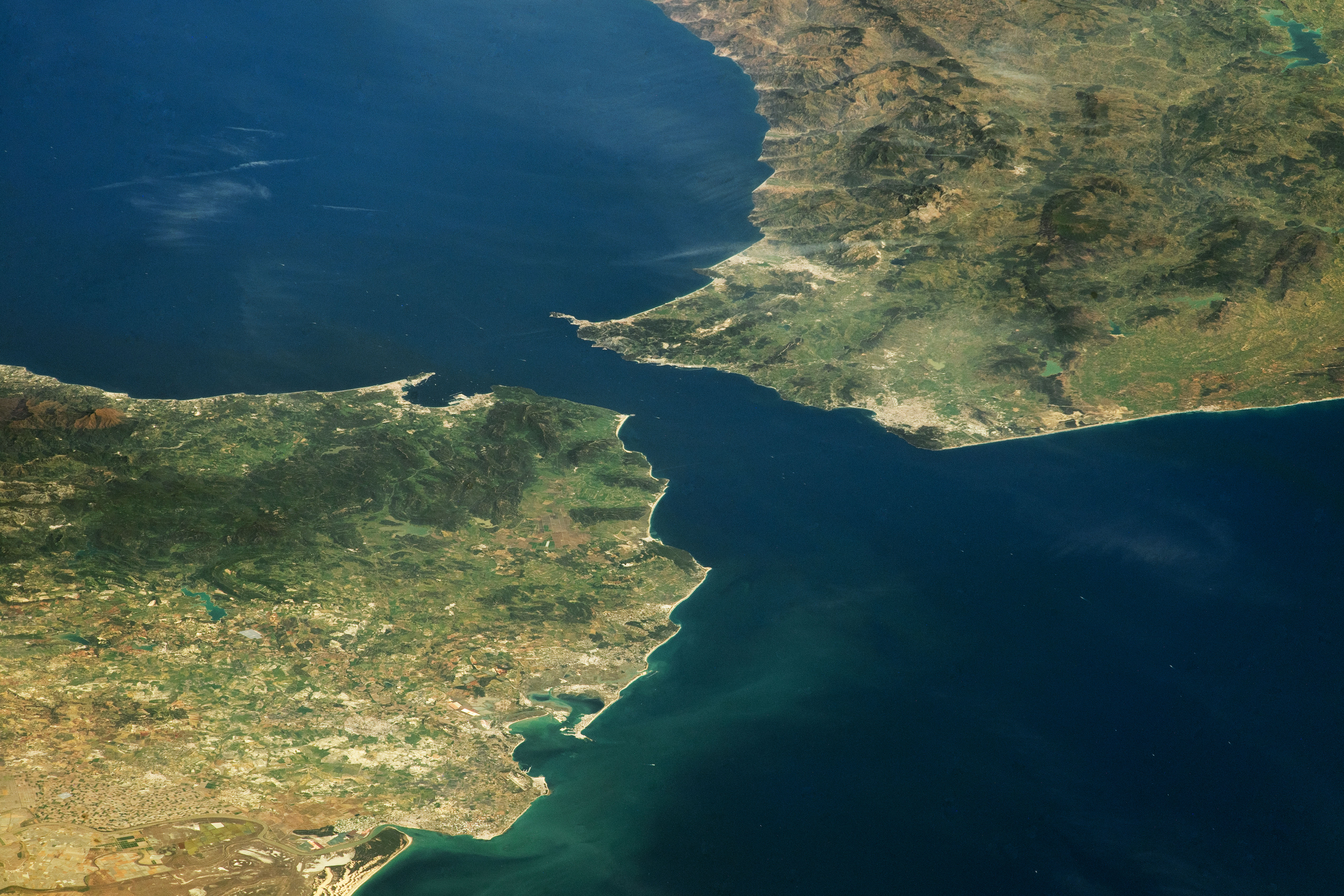
The Strait of Hormuz connects the Persian Gulf with the Gulf of Oman and the Arabian Sea. Its narrowest point measures approximately twenty-one miles wide, with inbound and outbound shipping lanes each restricted to two miles in width, separated by a two-mile buffer zone. This physical geometry concentrates a significant share of globally traded petroleum liquids into a confined corridor.
When an incident occurs within this geographic funnel, the security premium applied to commercial hulls shifts instantly. Tanker operators face three distinct operational variables:
- Hull and machinery insurance rates escalate based on war-risk underwriting assessments.
- Crew hazard pay adjustments increase immediate voyage operational expenditure.
- Charterers weigh the opportunity cost of spot-market delays against potential rerouting.
The transit volume through this passage represents a baseline dependency for Asian import markets, while European and North American destinations absorb secondary shocks via integrated global futures pricing. Consequently, any disruption to the physical throughput alters the time-value of crude oil currently afloat. Vessels underway absorb delays, while tonnage awaiting clearance ties up capital without generating freight efficiency.
The Cost Transmission Mechanism
Market reactions to security anomalies in critical maritime corridors follow a specific transmission pathway. Understanding this sequence explains why localized tactical events generate immediate macro-level repricing.
Insurance underwriters operate on probabilistic loss models. When a tanker reports an anomaly or attack, the underwriting pool reevaluates the tail risk of total loss or major structural damage. Premiums that normally float at fractions of a hull value can spike within hours. For a Very Large Crude Carrier valued in the tens of millions of dollars, even a fractional percentage increase in war-risk premium translates to hundreds of thousands of dollars per transit.
This capital expenditure directly affects delivered barrel costs. Refiners processing Middle Eastern crudes must calculate whether the marginal cost of secured passage exceeds alternative sourcing options from the Atlantic Basin, West Africa, or the Americas. However, physical substitution is constrained by refinery configuration slates and long-term supply contracts. Many heavy and medium sour crudes sourced from the Persian Gulf cannot be instantly replaced by lighter, sweeter grades without operational modifications to cracking units and distillation columns.
Alternative Routing Limitations
A recurring hypothesis during maritime chokepoint disruptions involves the immediate redirection of flows through pipelines or alternative ports. A rigorous analysis of regional infrastructure reveals severe capacity ceilings.
The East-West Pipeline in Saudi Arabia and the Habshan-Fujairah oil pipeline in the United Arab Emirates offer bypass routes to the Red Sea and the Gulf of Oman, respectively. These systems reduce reliance on the Strait of Hormuz by shifting export terminals outside the Persian Gulf. However, their total nameplate capacity falls short of replacing the total volume of daily tanker transit through the strait. When maritime risk increases, these bypass pipelines operate near maximum utilization, leaving little margin to absorb additional volumes.
Furthermore, pipelines redirect crude exports primarily to specific terminal endpoints, altering maritime logistics downstream. Tankers must then load at Red Sea or Gulf of Oman ports, which introduces additional vessel turnaround times and freight rate dynamics. The physical limitations of pipeline architecture mean that maritime choke points cannot be bypassed entirely during a supply surge.
Operational Risk Management for Energy Logistics
Navigating maritime volatility requires a shift from reactive spot reactions to structured risk mitigation. Asset owners and charterers manage exposure through three primary strategies:
- Dynamic speed optimization: Vessels adjust transit speeds to time their arrival precisely with security escorts or daylight windows, minimizing loitering time in high-risk zones.
- Contractual force majeure provisions: Charter parties incorporate detailed clauses outlining who absorbs the financial burden of war-risk insurance spikes and route deviations.
- Portfolio diversification: Refiners maintain a mix of spot and term contracts across geographically distinct basins to insulate operations from localized disruptions.
Maritime security incidents in strategic straits serve as stress tests for global supply chain resilience. The market impact is defined less by the immediate physical damage of a single event and more by the cascading adjustments in insurance underwriting, pipeline capacity ceilings, and refinery feedstock flexibility. Strategic forecasting requires monitoring these structural variables rather than headline sentiment alone.