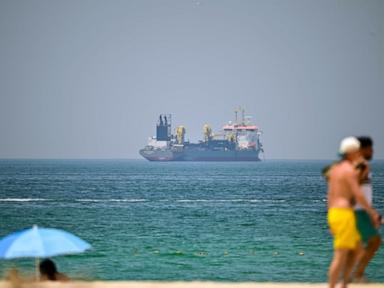
Commercial shipping is the backbone of the global economy, but we've reached a point where the people keeping those ships moving are being treated as collateral damage. The Strait of Hormuz has turned into a high-stakes poker table where world powers bet with other people’s lives. If you’re sitting at home waiting for a package or filling up your car, you’re connected to a sailor who is currently staring at the horizon, wondering if a drone or a boarding party is about to ruin their life. It’s a mess.
Working on a tanker in these waters isn't just a job anymore. It’s a gamble. The recent seizures and attacks in the region have stripped away the illusion of "innocent passage." When a ship enters that narrow stretch between Oman and Iran, the crew knows they aren't just navigating a difficult waterway. They're navigating a geopolitical minefield.
Why the Strait of Hormuz is a maritime nightmare
Geographically, the Strait is a choke point. That’s an understatement. About 20% of the world’s petroleum liquids pass through this tiny gap. It’s only about 21 miles wide at its narrowest. You can’t just "go around" it if you’re coming from the major ports in the Persian Gulf. You’re funneled into a lane where you're an easy target for anyone with a fast boat or a cheap drone.
The psychological toll is what people don't see. Imagine being stuck on a steel vessel for months. Now add the constant threat of masked men dropping from helicopters. That’s what happened to the crew of the MSC Aries. They were seized in April 2024 by Iranian forces. Those sailors didn't sign up to be political bargaining chips. They signed up to move cargo. When you’re on a ship that gets seized, you aren't just "detained." You’re trapped in a legal and physical limbo that can last for years.
The industry calls this "maritime insecurity." I call it a failure of international protection. Ships are flying "flags of convenience" like Panama or Liberia, which often means the countries responsible for their legal protection have zero naval power to actually help them. You’re essentially on your own out there.
The reality of being trapped in a steel box
Seafarers often talk about the "loneliness of the long-haul," but this is different. This is fear. I’ve spoken with crew members who describe the silence on the bridge when they enter the Strait. Everyone is watching the radar. Every blip is a potential threat.
The ships are huge, slow, and hard to maneuver. You can’t outrun a missile. You can’t hide from a boarding party. Once they’re on deck, it’s over. The crew is usually told to gather in the "citadel"—a reinforced room designed to keep them safe—but that only works for so long. If the attackers take control of the bridge, they control the ship. They control you.
- The uncertainty is the worst part. Sailors don't know if they’ll be home in a month or stuck in a port under guard for a year.
- Communication is often cut. When a ship is seized, the first thing that happens is the confiscation of phones and the cutting of internet. Families back home are left in the dark.
- Physical safety is never guaranteed. Even if you aren't physically harmed, the threat of violence is a constant shadow.
The International Transport Workers’ Federation (ITF) and other labor groups have been screaming about this for years. They want these areas declared "high-risk zones" so sailors can at least refuse to sail through them without losing their jobs. But the shipping companies are under pressure to deliver. The world needs its oil. The world needs its grain. So, the ships keep moving, and the risks keep mounting.
The failure of international law in the Gulf
We like to think the United Nations or the International Maritime Organization (IMO) has everything under control. They don't. International law is only as strong as the people willing to enforce it. Right now, the enforcement in the Strait of Hormuz is a patchwork of naval coalitions that can’t be everywhere at once.
Operation Prosperity Guardian and other task forces try to provide escorts, but there are too many ships and too little sea room. Iran often claims these seizures are for "regulatory violations" or "legal disputes." It’s almost always a thin veil for political leverage. If a country wants to stick it to the West, they grab a ship. It’s effective, it’s low-cost, and the human cost is borne by people from the Philippines, India, and Eastern Europe who just wanted a paycheck.
What needs to change before someone else dies
We can’t keep treating seafarers like they’re invisible. The maritime industry is notoriously opaque. Most people have no idea how their goods get to them. That lack of awareness is part of the problem. If there were more public pressure, maybe governments would take the security of these transit lanes more seriously.
First, the "High Risk Area" designations need to be updated constantly and respected by insurers and shipowners. If a zone is too dangerous, the crew must have the absolute right to disembark before the transit. No questions asked. No retaliation.
Second, we need a more unified naval presence that isn't just about protecting the cargo, but protecting the people. Protecting a hull full of crude oil is easy for a destroyer. Protecting twenty guys from a boarding team requires a different kind of vigilance.
Third, there has to be a diplomatic "red line" regarding merchant sailors. Using civilians as pawns in a regional cold war is a war crime in all but name. If a country seizes a ship without legitimate, transparent legal cause, the international response should be immediate and economic, not just a strongly worded letter from a committee in London.
How to stay informed and take action
If you’re in the industry or just a concerned observer, you should be following the updates from the United Kingdom Maritime Trade Operations (UKMTO). They provide real-time alerts on incidents in the region. It’s a sobering look at how often these "small" incidents actually happen.
Don't let the news cycle bury these stories. When a ship is seized, the headlines usually last for forty-eight hours. The crew stays trapped for months. Support organizations like the Seamen's Church Institute or the Sailors' Society. They provide the actual mental health support and legal advocacy that these men and women need when they finally make it off those ships.
The Strait of Hormuz isn't going to get safer on its own. As long as it remains a tactical lever for regional powers, the people on the water will be at risk. We owe it to them to acknowledge that "no safe place" isn't just a dramatic quote—it's the reality of their daily life. Stop looking at the cargo and start looking at the crew. That's the only way things change.
Pay attention to the specific ships being targeted. It's rarely random. Check the ownership, the port of call, and the flag. Knowledge is the only tool we have to pierce the fog of this maritime shadow war. If you're a seafarer, keep your union reps on speed dial and document every safety violation. If you're a consumer, realize that the "cheap" price of global shipping is being paid for by the safety of human beings in the Middle East. Demand transparency from the brands you buy. Ask them how they're ensuring their supply chains don't run through "deathtrap" waters without adequate protection for the workers involved.


