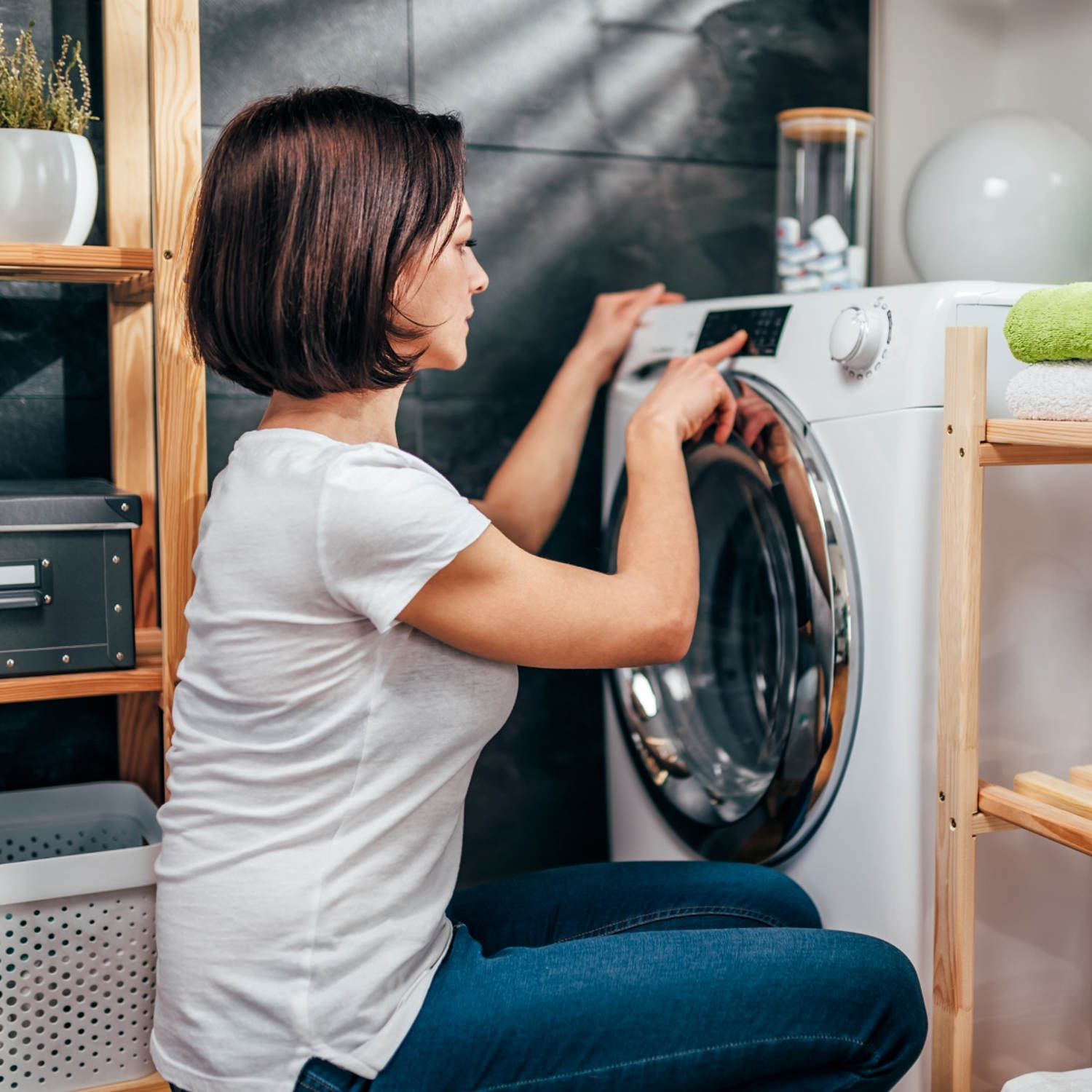
You are killing your washing machine with kindness. Every time you dump a bottle of overpriced chemical cleaner into the drum or run a hot maintenance cycle with vinegar, you are accelerating the mechanical decay of an appliance designed to handle dirty utility, not a sterile operating room.
The lazy consensus in the appliance maintenance space is that your washing machine is a filthy breeding ground of mold, mildew, and existential dread that requires constant, aggressive intervention. Cleaning blogs love to push monthly descaling routines, chlorine bleach baths, and specialty tablets that cost more per ounce than fine bourbon.
It is a racket.
I have spent two decades tearing down commercial and residential laundry units, and I can tell you with absolute certainty that the primary cause of premature washing machine death is not accumulated grime. It is user error driven by well-meaning neurosis.
The Myth of the Sterile Drum
Look inside your washing machine. If you see a dark spot on the rubber door gasket or smell a faint musty tang when you yank the door open, your first instinct is panic. You run to the store, buy a caustic descaler, and nuke the interior.
You are treating a symptom while ignoring the structural mechanics of how water and soap interact. Modern high-efficiency front-loaders use a fraction of the water your mother's machine used. That is the point. They are engineered to operate with thin films of water, which means they rely entirely on precise fluid dynamics to flush away residues.
When you dump thick liquid softeners, overuse heavy-duty pods, and slam the door shut the second a spin cycle finishes, you create a biological wonderland. No chemical tablet will fix a design flaw rooted in poor daily habits. The machine does not need a chemical spa day. It needs you to stop choking it with residue.
The Chemistry of Over-Cleaning
Imagine a scenario where a homeowner runs a monthly maintenance cycle using high-heat settings and chlorine bleach. They feel virtuous. They smell the chemical hospital scent and assume cleanliness.
Behind the outer tub, away from your view, that chlorine bleach is aggressively attacking rubber hoses, degrading plastic spider arms, and pitting stainless steel components if it lingers in stagnant pools. Bleach does not magically vanish; it sits in low-lying pockets of the outer drum where the stagnant rinse water fails to reach.
Furthermore, running endless empty hot water cycles shocks the heating elements and thermal sensors. You are trading minor organic buildup—which is entirely harmless to your clothes and your immune system—for catastrophic component failure.
Let us clear up the core terms:
- Biofilm: The slippery gray film inside the rubber seal. It is a colony of bacteria feeding on soap scum and skin cells. It is completely normal. Every drainpipe in your house has it. It does not cause disease, and it certainly does not justify a $20 bottle of magic powder.
- Scale: Calcium and magnesium deposits that cling to heating elements. If you live in an exceptionally hard water zone, descaling makes sense. If you live in a soft water municipality, you are descaling a ghost.
- Detergent Residue: The real enemy. This is the glue that traps mold spores in the first place.
Why Your Liquid Softener Is the Real Villain
If you want your washing machine to last ten years instead of five, banish liquid fabric softener from your household today.
Liquid softeners are formulated with animal fats and synthetic waxes designed to coat fabric fibers so they feel plush against your skin. They do not wash away completely in cold water. Instead, a microscopic layer plates out on the inside of the outer tub, coats the back of the stainless steel drum, and forms a sticky sludge.
Mold spores love this sludge. They land in it, embed themselves in it, and throw a permanent party. You can run bleach through the machine fifty times, but until you scrape away or chemically dissolve that underlying layer of waxy softener residue, the musty smell will return within forty-eight hours.
Switch to wool dryer balls or white vinegar in the rinse compartment if you must have softness. Stop pouring rendered animal fat into a precision-engineered water pump.
The Correct Protocol
If you want an appliance that outlasts its warranty, abandon the cleaning influencer checklists and adopt a mechanical mindset.
Leave the Door Ajar
This costs zero dollars and prevents ninety percent of odor issues. The number one driver of mildew is trapped humidity. When a cycle finishes, the interior of a front-loader is a 100 percent humidity cave. Leaving the door cracked two inches allows airflow to dry the interior surfaces naturally.
Dose Like a Chemist
The biggest lie ever told was the fill line on your detergent cap. Manufacturers want you to use twice as much product so you buy more soap. High-efficiency machines need roughly two tablespoons of liquid detergent per load. If your clothes do not smell like artificial spring rain after a wash, good. They should smell like nothing. Unscented water is the goal.
Wipe the Gasket Dry
Once a week, take a dry microfiber towel and swipe it along the folds of the rubber door boot. Pull back the lip and wipe out the standing water and hairballs trapped at the bottom. Takes thirty seconds. Eliminates the breeding ground.
High Heat with Purpose
Run a hot wash (60 degrees Celsius or higher) once a month, but tie it to loads that actually require it—like cotton towels, cloth diapers, or heavily soiled bed linens. Do not run empty hot cycles. Let the thermal energy of the wash load do double duty by sanitizing both your textiles and the internal plumbing.
The Hard Truth About Hard Water
People love to blame their water hardness for every laundry woe. They install expensive whole-home filtration systems or dump industrial water softeners into every load.
Let us look at the data. Unless your water tests above 7 grains per gallon (gpg), commercial water softeners are a waste of capital expenditure. If you do have hard water, scale accumulation on the heating element is a real mechanical concern. But do not use harsh consumer descalers every month. Once or twice a year with a citric acid flush is more than enough to strip mineral buildup without dissolving your rubber seals.
The Maintenance Checklist You Actually Need
Forget the twenty-step deep cleaning regimens found on lifestyle blogs. Here is the operational cadence of an industrial insider who values machinery over marketing hype.
- Daily: Leave the door open. Leave the detergent drawer pulled out. Let the chassis breathe.
- Weekly: Wipe the rubber door seal with a dry cloth. Inspect the drain pump filter for coins, pins, and lint buildup.
- Monthly: Run a normal load of towels using hot water and a reduced amount of powdered detergent (powder contains sodium percarbonate, a natural oxygen bleach that keeps internal plumbing clean without destroying rubber).
- Annually: Check the water inlet hoses for bulging, calcification, or micro-cracks. Replace them before they burst and flood your laundry room.
Dismantling the Fear
The cleaning product industry thrives on your baseline anxiety. They want you to believe that your home is a biohazard zone unless you spend money on proprietary chemical solutions.
Your washing machine is a utilitarian workhorse. It washes clothes covered in mud, sweat, and food. It does not need to be sterile. It needs to drain freely, spin balanced, and dry out between cycles.
Stop buying specialty cleaners. Stop running empty hot washes with vinegar. Stop using liquid fabric softener.
Leave the door open, use half the soap you think you need, and let the machine do its job.