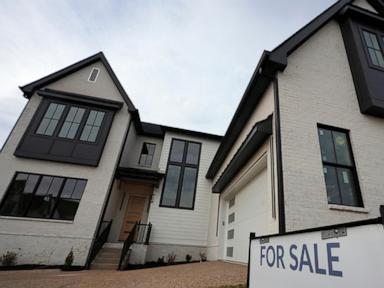
Thinking about buying a house? You might want to grab a seat. If you've been sitting on the sidelines hoping mortgage rates would magically slide back to those pandemic-era lows, I've got some news you won't like. They just bounced back. Again.
According to the latest data from Freddie Mac for the week ending May 7, 2026, the average 30-year fixed-rate mortgage climbed to 6.37%. That’s up from 6.30% just last week. We’re officially back to levels we haven’t seen in about a month, wiping out the tiny bit of progress we saw in April. It’s frustrating, sure, but it’s the reality of a housing market that refuses to follow the "expert" script.
Why the Bounce Back Is Happening Right Now
You can’t look at mortgage rates in a vacuum. They aren't set by the Federal Reserve, though the Fed definitely pulls the strings. Rates mostly track the 10-year Treasury yield. When investors get nervous about inflation or global stability, they demand higher yields on those bonds, and mortgage rates follow them like a shadow.
Right now, energy prices are acting like a lead weight on the economy. With oil and gas costs creeping up due to ongoing tensions in the Middle East, the "inflation is over" narrative has hit a major speed bump. Investors are betting that the Fed won't be cutting rates as fast—or as deep— as everyone hoped back in January.
I've seen this play out a dozen times. Everyone gets optimistic, rates dip for two weeks, and then a hot jobs report or a spike in oil prices sends them right back up. We’re currently in a tug-of-war between a resilient economy and the desire for cheaper borrowing. For now, the resilient economy is winning.
The Affordability Math You Can't Ignore
Let's get real about what a 6.37% rate actually means for your wallet. If you're looking at a $400,000 loan, that 7-basis-point jump from last week might seem small. It's not. Over 30 years, those "small" ticks adds up to thousands of dollars in extra interest.
But here’s the kicker. Even with rates moving up, the market isn't totally dead. Freddie Mac’s Chief Economist, Sam Khater, pointed out that new-home sales actually saw a boost recently. Why? Because builders are getting desperate—or smart. They’re offering "rate buy-downs" that can drop your effective rate much lower than the national average.
The 15 Year Alternative
If you’re looking to refinance or you’ve got a massive down payment, the 15-year fixed rate also took a hit this week. It’s sitting at 5.72%, up from 5.64%. It’s still significantly lower than the 30-year, but the monthly payments are high enough to make most people's eyes water. It’s a great tool for building equity fast, but it’s not exactly the "relief" most buyers are looking for.
Comparing Today to Last Year
It’s easy to feel like we’re losing, but perspective matters. On May 7 last year, the 30-year fixed rate was averaging 6.76%. We’re nearly half a percentage point lower than we were 12 months ago. That’s a win, even if it feels like a small one.
The "lock-in effect" is still a massive problem, though. Millions of homeowners are sitting on 3% or 4% mortgages and they aren't moving unless they absolutely have to. This keeps inventory low, which keeps prices high. It’s a vicious cycle. If you’re waiting for rates to hit 5% before you buy, you might be waiting until 2027 or 2028. By then, the price of the house you want might have jumped another 10%.
What You Should Actually Do
Don't try to time the market. You'll lose. Professional traders with PhDs and supercomputers get it wrong every single day. Instead, focus on the variables you can actually control.
- Check out new construction. Builders have inventory and they want to move it. Many are still offering 4.99% or 5.5% incentive rates if you use their preferred lender.
- Improve your credit score immediately. The difference between a 660 and a 740 score right now is the difference between a "manageable" payment and an "impossible" one.
- Shop around. Don't just go to your local bank. Check credit unions and online lenders. The spread between the highest and lowest quotes is wider than it's been in years.
- Stop obsessing over the "perfect" rate. If the numbers work for your budget today, buy the house. You can always refinance later if rates drop, but you can’t go back in time and buy today’s house at today's price.
The bounce back we're seeing isn't a fluke; it's a reminder that the path to lower rates is going to be messy and slow. Don't let a weekly headline dictate your five-year plan. Get your pre-approval in order, look at the actual monthly payment, and decide if you're ready to be a homeowner or a spectator.
Mortgage rates rise for second straight week
This video provides a practical breakdown of why the 2026 economic landscape is keeping mortgage rates higher than many experts originally predicted.