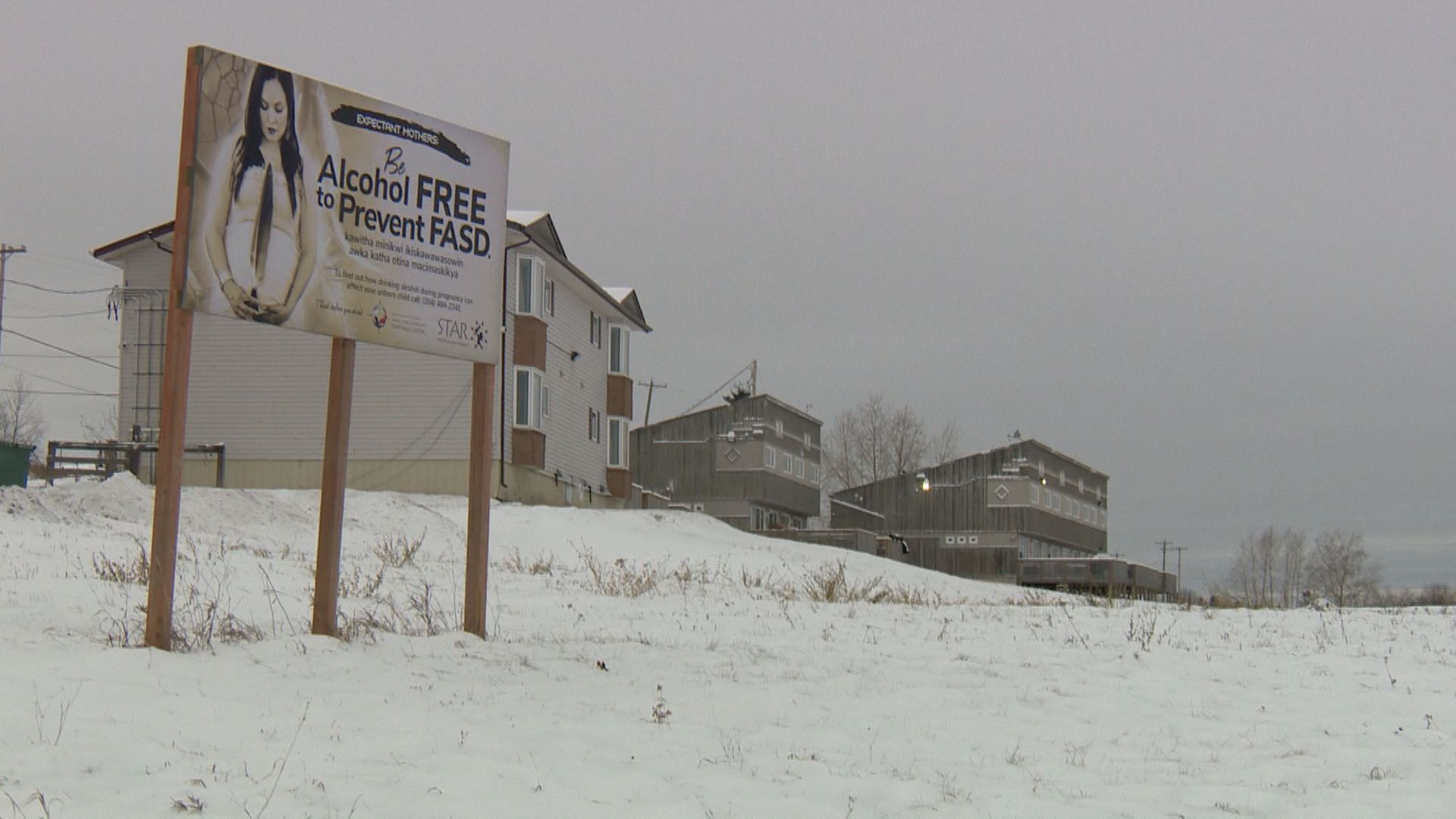
The cycle is predictable. A tragedy strikes a First Nation. The headlines scream about "deep grieving." A state of emergency is declared. Politicians offer "thoughts and prayers" while cutting a check for temporary relief. Six months later, the cameras are gone, the money is spent, and the underlying rot remains untouched.
We are addicted to the optics of crisis management because it spares us the discomfort of structural repair. When a community like those in Northern Manitoba declares an emergency due to a cluster of suicides or a surge in violence, the media treats it like a localized lightning strike. It is framed as an unfortunate, isolated event.
This is a lie.
What we are witnessing is not a series of emergencies. It is the logical, mathematical endpoint of a system designed to fail. If you build a house on quicksand, you don’t call the fire department when the walls crack; you admit the foundation was a mistake.
The State of Emergency is a Bureaucratic Band-Aid
Declaring a state of emergency has become a hollow ritual. In the corporate world, if a department failed every single year for decades, you wouldn't keep "fostering" its growth—you would fire the leadership and pivot the business model. In the public sector, however, the "emergency" tag is used to bypass the need for long-term accountability.
It triggers short-term funding. It brings in a few extra social workers for a month. It creates the illusion of movement.
The reality? This "emergency" status is often the only way these communities can get the federal government to answer the phone. We have created a perverse incentive structure where a community must be at its absolute breaking point just to access basic human rights like clean water or functional mental health services.
If a suburb in Toronto or Vancouver had a suicide rate ten times the national average, the military would be on the ground and the Prime Minister would be sleeping in a tent on the front lawn until it was fixed. But when it happens in the North, we treat it as a logistical hurdle.
The Fallacy of "Remote" Geography
Critics and "fiscal hawks" love to point to geography as the culprit. They argue that providing services to fly-in communities is too expensive.
This is a lazy argument used by people who don't understand infrastructure. Canada is a resource-extraction economy. We have no problem building multi-billion dollar pipelines, mines, and roads through the most "remote" parts of the Arctic when there is gold or oil at the end of the line.
Geography isn't the barrier. Political will is.
When we say a community is "too remote" to support, we are actually saying that the lives of the people living there don't offer a high enough Return on Investment (ROI) to justify the spend. It is a cold, calculated devaluation of human life disguised as a budgetary constraint.
Mental Health is an Infrastructure Problem
We need to stop talking about "mental health support" as if it’s just a matter of getting more therapists on Zoom. You cannot "self-care" your way out of a house with black mold. You cannot "mindfulness" your way out of food insecurity.
The mental health crisis in First Nations is a direct result of:
- Housing Scarcity: Sixteen people living in a three-bedroom bungalow is a pressure cooker for trauma.
- Food Insecurity: When a bag of milk costs $15, the biological stress of survival overrides any therapeutic intervention.
- Generational Displacement: The legacy of residential schools isn't "history." It is a living, breathing neurological blueprint passed down through epigenetics and shattered family structures.
If you want to solve the "emergency," stop sending counselors and start sending carpenters. Build houses. Build reliable power grids. Build indoor recreation centers where kids can be kids in -40 degree weather.
The Dependency Trap
The current funding model is designed to keep First Nations in a state of perpetual "emergency." Most federal grants are project-based or short-term. They require mountains of paperwork and "demonstrated need."
In business, we call this "starving the winners." Instead of providing block funding that allows a Nation to build its own sustainable economy, the government doles out crumbs that expire in twelve months. This forces leadership to spend 80% of their time chasing the next grant instead of actually governing.
True sovereignty isn't a gesture. It’s the ability to fail or succeed on your own terms with your own capital. By keeping these communities dependent on the "emergency" tap, the federal government maintains a paternalistic control that would be laughed out of any boardroom.
Stop Asking "What's Wrong?" and Start Asking "Who Profits?"
There is a whole industry built around the "First Nation Crisis." Consultancies, NGOs, and government agencies thrive on the status quo. If the "emergency" were actually solved, thousands of bureaucrats would be out of a job.
I’ve seen this in the tech sector: legacy players sabotaging innovation because the "problem" is more profitable than the "solution." The "Aboriginal Industry" in Canada is no different. We spend billions on administration and pennies on the ground.
We don't need another commission. We don't need another report. We don't need another "National Day of Awareness."
The Hard Truth Nobody Wants to Hear
Fixing this requires an admission of defeat. The Indian Act is a rotting corpse that we keep trying to dress up in a suit. It cannot be reformed. It must be scrapped.
We need to move toward a model of direct wealth sharing. If resources are pulled from Indigenous lands, a mandatory, non-negotiable percentage must stay with the local Nation—not as a "gift" from the Crown, but as a royalty. This creates an independent tax base.
Wealth creates options. Options create hope. Hope ends emergencies.
Everything else is just performance art performed over a casket.
Stop grieving and start building.


