When eight sailors in a single strike group attempt to take their own lives in a compressed window, the Pentagon machine spins into its default crisis mode. Town halls are scheduled. Mandatory stand-downs are ordered. Pamphlets are handed out by exhausted executive officers who slept three hours the night before. This is the institutional ritual of performative concern. It treats a structural catastrophe as an attendance problem, as if a PowerPoint presentation on stress management can reverse the laws of human fatigue.
The mainstream narrative immediately pivots to familiar, comfortable villains. Media outlets run pieces lamenting the lack of mental health resources at sea or poor Wi-Fi connectivity in port. Pundits argue that if we just hire forty more licensed clinical social workers, install better recreational gear in the mess decks, and encourage junior enlisted personnel to share their feelings, the math changes.
The math does not change. The math is brutal.
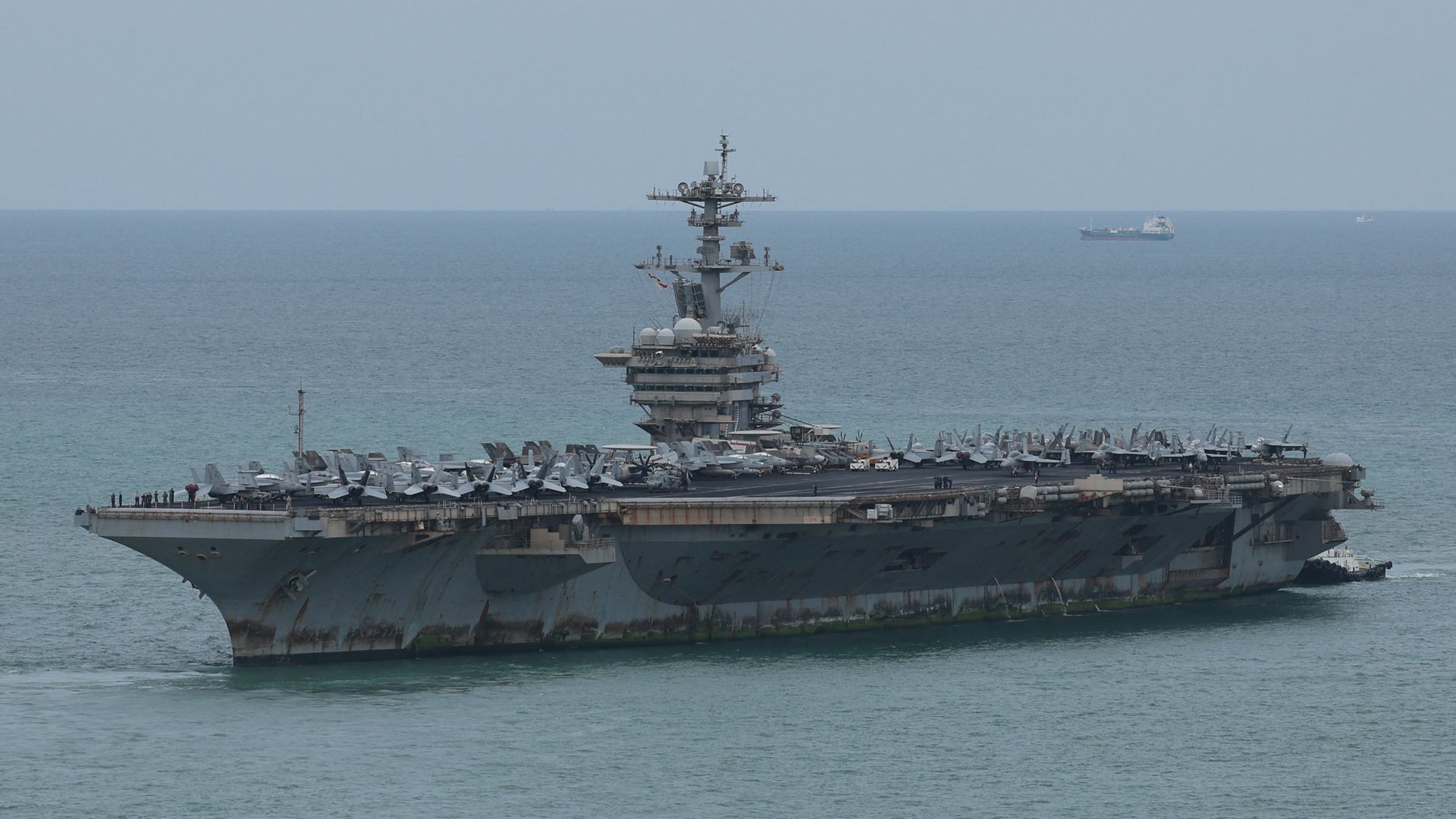
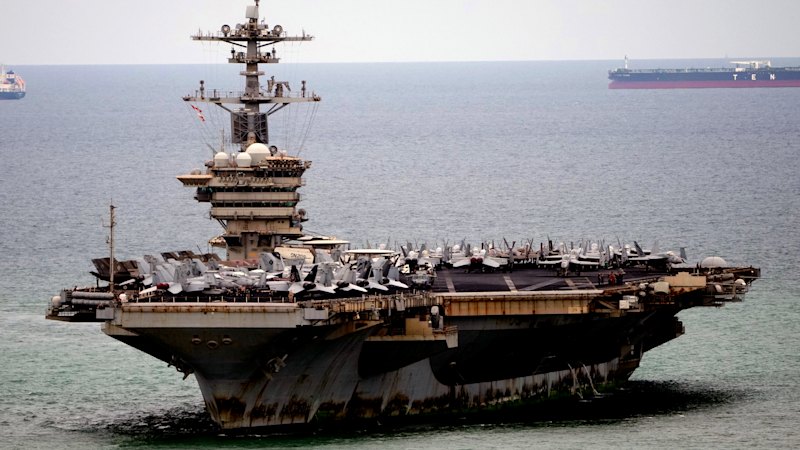
The core premise of modern military mental health initiatives is built on a foundational lie: that individual psychological resilience can absorb infinite operational dysfunction. It assumes that a sailor experiencing acute despair is suffering from an isolated personal deficit rather than reacting rationally to an utterly irrational environment. When you run a 100,000-ton floating city with a skeleton crew, zero operational margin, and constant geopolitical tension, suicides are not an anomaly to be fixed with a poster campaign. They are the predictable tax of a hollowed-out force architecture.
The Broken Math of Force Structure
Let us look at the actual operational reality that the press releases gloss over. The United States Navy has shrunk its active fleet dramatically over the past thirty years while maintaining global commitments designed for a force twice its size. When you drop from nearly six hundred ships down to under three hundred, but your carrier strike groups are expected to cover the exact same transit lanes, Persian Gulf patrols, and South China Sea presence operations, every single vessel becomes an over-extended sponge.
Sailors are working eighty-hour workweeks month after month while underway. On a nuclear-powered aircraft carrier, deferred maintenance creates cascading mechanical failures that human labor must constantly offset. A broken sanitation plant or a malfunctioning air conditioning system in the Red Sea is not a minor inconvenience; it is a psychological grinder. When temperatures in berthing compartments spike past ninety degrees and sailors cannot shower after standing a grueling watch, morale is not merely low—cognitive baseline degradation begins.
Yet the command climate demands perfection. Inspections must be passed. Certifications must be earned. Training cycles are compressed to meet deployment windows driven by political optics in Washington rather than material readiness. When a ship leaves homeport with thirty percent fewer personnel than its manning document requires, the remaining sailors do not simply work harder. They absorb the missing labor out of their own sleep cycles.
The Lie of Resiliency Training
For decades, the Department of Defense has leaned heavily on the concept of resilience. Recruits are screened for mental toughness, trained to push through physical pain, and conditioned to suppress discomfort. Then, the institution acts shocked when that exact conditioning prevents those same sailors from asking for help until they are standing on the weather decks contemplating the water.
Resilience is a finite biological resource. It is not an infinite battery that recharges because a command master chief tells everyone to breathe deeply during quarters. Human beings require baseline circadian rhythms, adequate nutrition, predictable downtime, and a sense of agency over their own lives to maintain mental stability. Strip those away for six, seven, or nine consecutive months of deployment extensions, and the brain breaks.
I have watched commands treat personnel as expendable line items on a spreadsheet. In flag briefings and resource allocation meetings, manpower is discussed like fuel oil or hydraulic fluid. You burn it until the tank hits empty, then you scrape the bottom and inject fresh recruits straight out of Great Lakes boot camp into a meat grinder that has already chewed up seasoned petty officers. The junior enlisted ranks absorb the brunt of this calculus. They do the heavy labor, stand the midnight watches, and bear the brunt of toxic leadership cultures born entirely from desperate commanders trying to satisfy impossible inspection checklists with half the required hands.
When a junior sailor finally cracks under this pressure, the system often responds not with healing, but with administrative punishment or marginalization. Seeking mental health treatment at sea is frequently treated as a burden on the watchbill. Peers notice when someone is pulled from a watch rotation to attend counseling, leading to intense social pressure to keep quiet, push through, and pretend everything is fine until the snapping point arrives.
Dismantling the False Solutions
If we want to understand why these tragedies keep recurring, we have to look past the superficial questions asked by congressional committees and mainstream journalists. The public asks whether there are enough psychologists on the carrier. That is the wrong question entirely.
The right question is why we are operating ships with personnel deficits that force sailors into month-long stretches of port-and-starboard watch rotations—twelve hours on, twelve hours off, with maintenance and training crammed into the remaining time. Under a port-and-starboard rotation, a sailor is chronically sleep-deprived. Chronic sleep deprivation destroys prefrontal cortex function, impairs emotional regulation, and exponentially increases depressive ideation. No amount of chaplain-led counseling sessions can fix the chemical imbalance caused by months of systematic sleep starvation.
Another favored solution is the implementation of better communication tools at sea, such as improved satellite internet access. While staying connected to family back home sounds beneficial on paper, it often introduces a secondary layer of psychological torment. Watching your spouse struggle with childcare emergencies, financial stress, or domestic crises from thousands of miles away—while you are trapped on a steel island with zero ability to physically intervene or assist—fosters a crushing sense of helplessness. Connectivity without agency is just torture in high definition.
What Real Reform Requires
If the Department of Defense actually wanted to stop suicides in strike groups, it would stop expanding operational tempo and start cutting commitments. It would accept a radical, uncomfortable truth: the United States cannot be in five places at once with a depleted fleet without sacrificing the human beings operating the machinery.
Real reform requires structural changes that leadership routinely resists because they require admitting strategic limits:
- Enforce hard caps on underway days. Mandate strict limits on consecutive months a strike group can remain deployed without a full, uninterrupted multi-month rest period in a homeport.
- Abolish punitive watchbill math. If a ship is short-handed, reduce operational requirements instead of doubling the watch burden on the sailors who remain. Match the mission to the crew size, not the other way around.
- Criminalize sleep deprivation as a safety violation. Treat chronic overwork and sleep neglect in the same category as bypassing engineering tag-out procedures. A sleep-deprived reactor operator or flight deck director is just as dangerous as a broken valve.
- Decouple mental health treatment from career stigma. Guarantee that seeking psychological help carries zero administrative penalty, security clearance disqualification, or peer alienation.
The Uncomfortable Bottom Line
The hardest pill to swallow is that the institution benefits from the current arrangement. Cheap labor, absolute obedience, and endless deployment extensions keep the geopolitical machine running smoothly for civilian leaders who never have to step foot in a cramped, roaring engineering space or a sweltering berthing compartment.
The suicides on the USS Lincoln and other carriers across the fleet are not statistical anomalies or unfortunate random events. They are the logical, mathematical consequence of a naval strategy that values global presence far above human preservation.
Until leadership stops treating human sailors like interchangeable spare parts on an industrial assembly line, every press release expressing profound sorrow will remain what it is: a hollow ritual designed to protect the institution from the consequences of its own broken math. The body bags will keep coming home, followed swiftly by another memo about how help is just a phone call away.