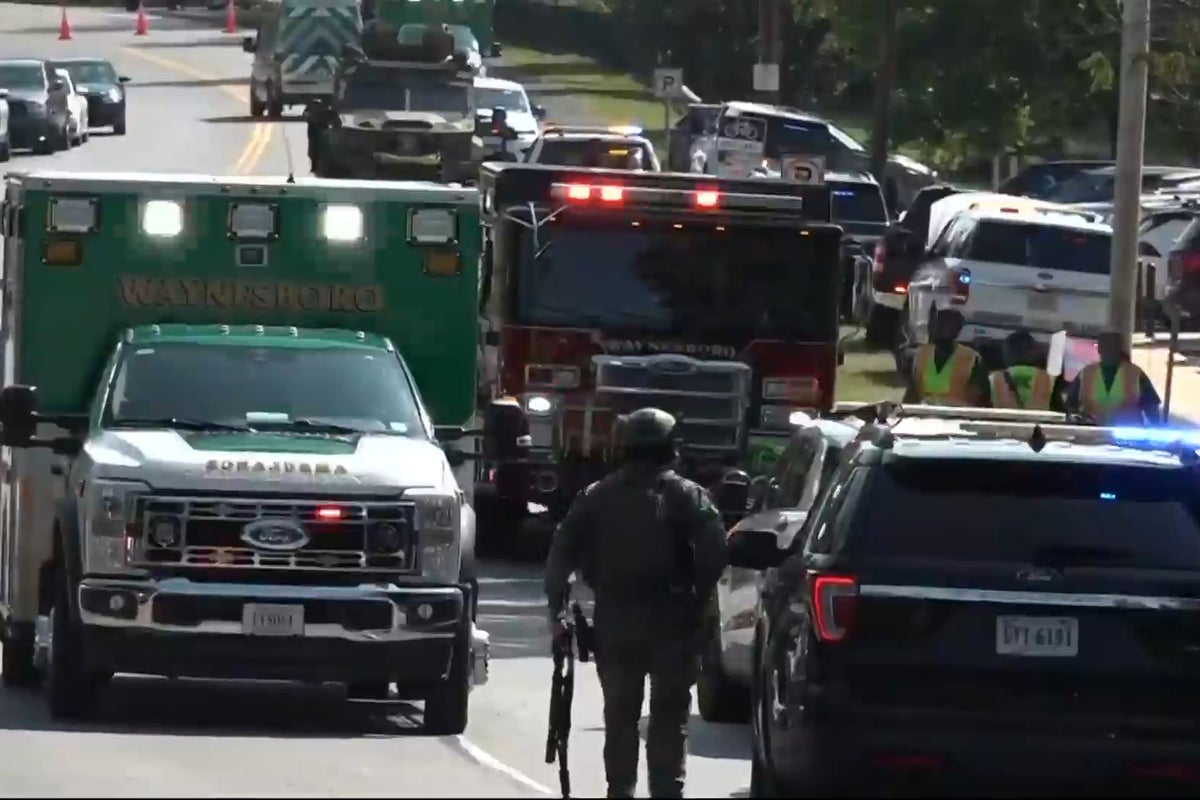
Another emergency alert pings the phones. Another elementary school in Virginia goes on lockdown. Another wave of panic washes over parents, politicians, and pundits who immediately retreat to their predictable ideological corners. Within minutes, the institutional playbook unrolls precisely as expected. One side screams for sweeping weapon bans while the other demands more armed guards, metal detectors, and reinforced doors. Both sides are peddling comforting illusions.
The lazy consensus dominating media coverage after every campus incident assumes that safety is strictly an engineering problem or a legislative switch waiting to be flipped. If we just pass the right bill or install enough concrete bollards, the violence stops. This is magical thinking wrapped in bureaucratic urgency. Security theater does not protect children; it merely provides anxious adults with a placebo of control.
True expertise requires looking past the political theater and examining the structural mechanics of institutional vulnerability. Schools are soft targets not because they lack panic buttons or bulletproof glass, but because they are human ecosystems operating on trust. When an incident occurs—such as the recent morning chaos at Westwood Hills Elementary in Waynesboro—the immediate reflex is to ask how response times can be shaved by thirty seconds. That is the wrong question entirely. The real question is why society expects schools to function as maximum-security fortresses while simultaneously serving as nurturing centers for young children.
Security consultants love to sell school districts expensive threat-assessment software and ballistic door film. I have watched municipal budgets bleed millions into perimeter upgrades that look impressive on a PowerPoint slide yet fail the first basic test of human error. A reinforced door means nothing when propped open for a late delivery. An armed response plan means nothing when local law enforcement is navigating choked parking lots blocked by panicked parents ignoring emergency staging protocols.
Imagine a scenario where every school in the country is successfully converted into a concrete bunker complete with biometric entry and armed patrols. Does that eradicate the underlying pathology driving individuals to commit acts of violence in public spaces? Of course not. It merely displaces the risk, turning educational facilities into high-stakes arms races while ignoring the social isolation, severe mental health crises, and behavioral contagion loops that actually fuel these events.
To dismantle the current paradigm, we have to stop treating school safety as an equipment procurement issue. The heavy hitters in behavioral threat management emphasize that intervention happens months before a weapon ever crosses a threshold, through early behavioral tracking and functional community support networks. Yet, school districts routinely slash counseling budgets to pay for hardware contracts. They trade human safety infrastructure for shiny pieces of metal that do nothing to de-escalate a crisis in progress.
There are harsh downsides to this reality check. Admitting that physical fortifications offer diminishing returns is terrifying because it leaves no easy villain to demonize and no quick legislative fix to champion. It forces communities to do the messy, unglamorous work of fixing fractured social safety nets, monitoring acute behavioral deterioration, and accepting that absolute safety is an architectural impossibility.
Stop funding the security vendors who profit off parental terror. Stop pretending that a lockdown drill is an effective substitute for mental health infrastructure. Fix the root causes or accept that the panic will repeat.


