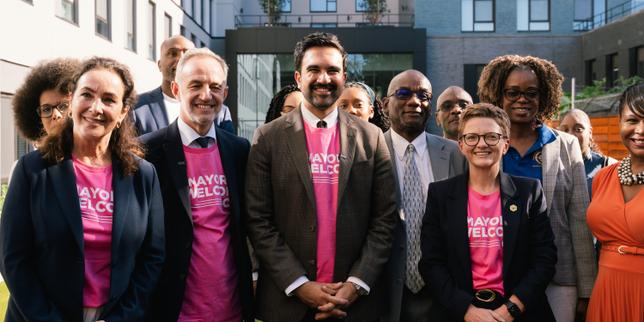
Every autumn, a predictable theatrical ritual plays out in Manhattan. Mayors from dozens of global metropolises descend upon New York, wearing tailored suits and earnest expressions, to declare that local governance is the true antidote to planetary failure. They pose for group photographs, sign high-minded communiqués demanding direct authority from the G20, and toast each other over organic wine while talking about urban resilience, climate mitigation, and migration management.
The media eats it up. The conventional narrative treats these international municipal summits as heartwarming triumphs of grassroots pragmatism over rigid national bureaucracy. The lazy consensus says that while sovereign governments bicker and stall, city halls are rolling up their sleeves to fix the planet.
It is a comforting fantasy. It is also entirely backwards.
I have watched cities blow millions of dollars on international climate declarations while their basic public transit systems crumble and housing affordability spirals into outright destitution. This romanticization of the urban executive ignores a fundamental structural truth: cities are administrative subdivisions, not sovereign states. When mayors pretend they can bypass national geopolitical failure through sheer willpower and local PR campaigns, they are not acting as brave insurgents against global chaos. They are participating in a sophisticated distraction machine.
To understand why this municipal grandstanding is failing taxpayers, we need to look past the press releases and examine the mechanics of urban power.
The Sovereignty Illusion
Let us define the core misconception. Proponents of global mayoral networks like C40 or UCLG argue that because cities house the majority of the human population and generate most of global economic output, they should wield direct diplomatic and financial weight on the world stage.
The math sounds compelling until you inspect municipal balance sheets.
Unlike national governments, cities possess very little fiscal sovereignty. They cannot print currency. They rarely control their own tax bases without legislative permission from state or provincial capitals. When a mayor signs a sweeping pledge to achieve net-zero emissions or build tens of thousands of subsidized housing units without federal backstops, they are writing checks their municipal credit ratings cannot cash.
Imagine a scenario where a major global city commits to billions in infrastructure overhauls to combat extreme heat and sea-level rise, entirely funded by municipal bond issues. The moment an economic downturn hits or interest rates spike, those projects stall, bond yields jump, and the city faces immediate insolvency. National governments bail out banks and sovereign states; sovereign bond markets rarely rush to rescue a mayor trying to play geopolitical savior.
The obsession with international municipal diplomacy masks a domestic accountability failure. When local leaders spend their time crafting global compacts on migration or biodiversity, they are frequently dodging the unglamorous, grinding work of zoning reform, pothole repair, and police accountability. It is much easier to posture next to foreign dignitaries at a United Nations side event than it is to stare down local NIMBY homeowners blocking apartment complexes in your own backyard.
The Real Cost of Virtue Signaling
The cheerleaders of urban internationalism argue that cities are nimble laboratories of democracy. They point to bike lanes, composting programs, and municipal green bonds as proof that local action moves faster than national legislation.
This argument confuses tactical pilot projects with systemic transformation. A municipality can paint a protected bike lane in a weekend or mandate LED streetlights. That is operational management, not geopolitics. When cities try to scale those wins to confront transnational crises like mass migration or global carbon emissions, they hit a brick wall of structural impotence.
Consider how cities handle migration. Mayors love to declare themselves sanctuary cities or sign global pledges welcoming the displaced. Yet, constitutionally, local governments have zero control over international borders, visa issuance, or asylum adjudication. When migrants arrive in massive waves, municipal authorities are left holding the financial bag for emergency shelter, healthcare, and schooling, often without adequate fiscal transfers from the central state.
Instead of demanding a seat at high-level geopolitical tables they were never built to sit at, mayors should be waging brutal, unglamorous legal battles for local tax autonomy and zoning deregulation. The true barrier to urban progress is rarely a lack of international solidarity. It is antiquated property laws, exclusionary zoning codes jealously guarded by local homeowners, and a total reliance on higher levels of government for basic operational funding.
What Actually Works
If we strip away the PR gloss of international mayoral alliances, what remains? What should cities actually be doing?
First, stop treating municipal government as a miniature United Nations. City halls exist to collect trash, pave roads, clean water, and ensure public safety efficiently. When a city government loses focus on core municipal competencies in pursuit of global prestige, basic services degrade.
Second, dismantle exclusionary zoning. If mayors genuinely want to fight climate change and housing inequality, they do not need a summit in New York. They need to upzone every single-family neighborhood within five miles of a transit hub, eliminate parking minimums, and streamline permitting processes. These actions require zero international funding and zero G20 approval. They require political courage against local interest groups—precisely the thing international summits allow politicians to avoid.
Third, tie local finance directly to performance rather than rhetoric. Taxpayers should demand an audit of every dollar spent on international junkets and global secretariat memberships. If a city's administrative team is spending staff hours drafting climate declarations for foreign consumption while local public transit runs on delayed, dilapidated schedules, that is a misallocation of public trust.
The next time you see headlines about a coalition of mayors uniting to save the world, check your local property tax assessment or your subway delay times. You will likely find that the people claiming they can manage the globe cannot even manage their own potholes.
Stop cheering for the rhetoric. Demand competence at home.