Athletes love burning cash on vanity projects. They build slick community centers, paint local football pitches, and slap their names on hospital wings that run out of aspirin within six months. It makes for heartwarming television segments. It does nothing to shift economic reality.
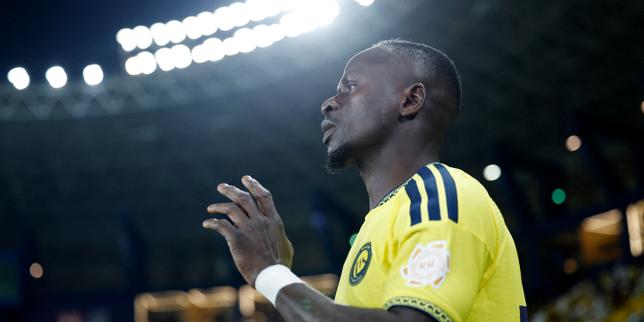
Then comes Sadio Mané dropping twenty million dollars on a mango processing plant in Bambali.
The lazy consensus in the sports and business media is that this is just another heartwarming tale of a rich footballer giving back to his hometown. Observers are calling it philanthropy with extra steps. They are missing the entire point. SM10 Agro is not a charity. It is a calculated industrial strike against a broken supply chain. It exposes the romanticized nonsense of traditional athlete giving and replaces it with cold, hard supply-side economics.
Look at the structural failure of West African agriculture. In the Casamance region, up to forty-five percent of the mango harvest rots on the ground. Millions of kilograms of fruit decay because local farmers lack cold storage, processing infrastructure, and direct pathways to international markets. For decades, the region exported raw commodities or watched entire harvests turn to waste, shipping out raw potential and importing back expensive finished goods.
Traditional philanthropy treats the symptom. It hands out food parcels or funds temporary relief while the root cause—the lack of structural industrial capacity—remains untouched. Mané’s project changes the equation by forcing value creation to happen locally. By financing a five-hundred-hectare plantation and processing units capable of handling thousands of tonnes of mangoes into pulp, dried fruit, and butter, this initiative bypasses the middlemen who capture all the margins.
This is where the armchair critics get confused. They look at the initial capital expenditure and start calculating return on investment based on Western corporate timelines. They worry about packaging constraints, phytosanitary hurdles, and the three-year wait for the newly planted Kent mango trees to mature. They point out that processing plants in the region historically struggled because they lacked local packaging and labeling services, creating an over-reliance on Dakar.
They are asking the wrong questions.
The question is not whether a single agro-industrial park will immediately turn a profit on day one. The question is how to break the colonial export trap where African nations supply raw inputs and buy back finished commodities at a markup. Mané is not building a monument to his own ego; he is building a localized supply chain moat.
Let us examine the mechanics of what happens when you introduce local processing into a vacuum.
When you convert raw mangoes into pulp or butter locally, you drop shipping weight, slash waste-induced losses, and retain the financial margins inside the rural economy. A rotten mango yields zero currency. A processed jar of mango butter or a crate of export-grade pulp generates consistent cash flow. More importantly, it creates over a thousand direct jobs, anchoring an economic ecosystem that trains young people in technical skills rather than forcing them into dangerous migration paths toward Europe or overcrowded urban centers.
Of course, the contrarian truth must include the downsides. Industrial ventures in rural regions fail with terrifying regularity. Logistics in Casamance are complex. Power stability can be a nightmare. Supply chains break down when smallholder farmers lack access to consistent credit or standardized fertilizer. If Mané's management team treats this like a charity project where losses are endlessly subsidized by football wages, the company will quietly bleed out within five years. Industrial agriculture demands ruthless operational discipline, strict quality control, and cold-blooded cost accounting. Sentimentality has no place on a factory floor.
Yet, even with those risks, the model is infinitely superior to writing checks for NGO galas.
We have watched generations of sports stars waste their fortunes on luxury car collections and night clubs, or hand their money over to wealth managers who invest it in sterile Western index funds. That capital does nothing for the communities that birthed these athletes. Mané is doing something radically different. He is redirecting wealth generated in European and Saudi stadiums back into the soil of Sédhiou.
Stop calling it charity. It is industrial repatriation. And it is the only blueprint that actually works.