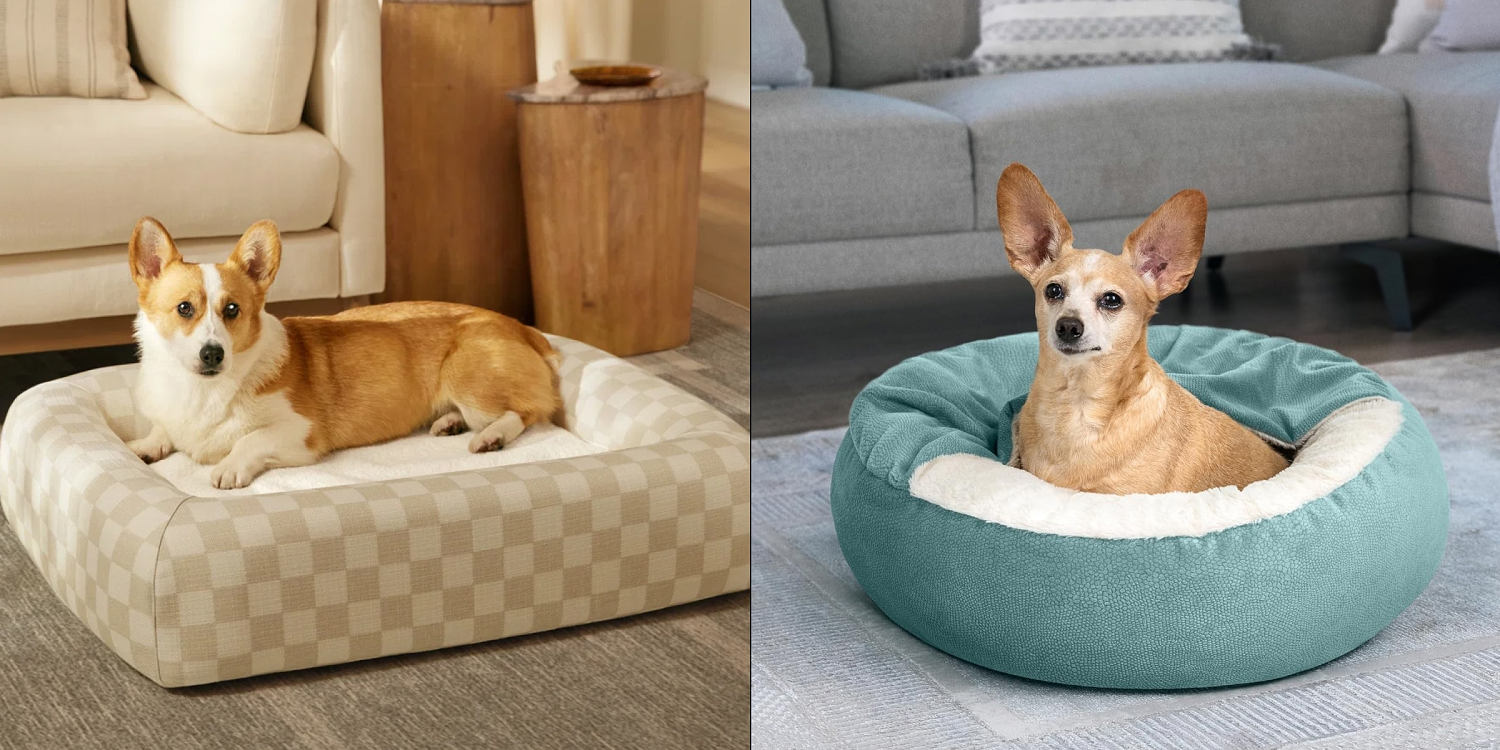
The pet industry has spent thirty years convincing you that a dog without a four-hundred-dollar memory foam mattress is a neglected animal. They sell you orthopedics, cooling gels, sherpa linings, and designer tweeds that cost more than your own bedding. It is a brilliant margin-expansion exercise masquerading as animal welfare.
Your dog does not want the designer bolster bed. They want the cold hardwood floor, the rug with the weird texture, or your laundry basket full of dirty gym socks. Meanwhile, you can read other developments here: Why One Colorado Family Chose to Protect Their 684 Acre Ranch Forever.
Buying a luxury pet bed is not an act of love. It is an act of anthropomorphic projection. You are buying the bed you would want if you were a golden retriever, ignoring the fact that your dog views the world through an entirely different sensory apparatus. When you force human comfort standards onto a canine organism, you usually just create a dust-trap reservoir for allergens and a battleground for territorial dominance.
Let us dismantle the foundational myth of the canine sleep economy. To explore the complete picture, check out the recent report by Cosmopolitan.
The Evolutionary Fallacy of Canine Comfort
Walk into any pet specialty retailer and a sales associate will warn you that hard floors destroy canine joints. They talk about hip dysplasia and arthritis with the gravity of a trauma surgeon. The pitch relies on a fundamental misunderstanding of canine physiology and ancestral behavior.
Wild canids do not construct ergonomic sleeping pods. They dig shallow depressions in the ground, known as forms or scrapes, to match ambient soil temperatures and provide tactile feedback along their flanks. This is called thigmotaxis—the urge to have physical contact with solid boundaries for a sense of security.
A massive, puffy pillow bed actually works against this instinct. It shifts unpredictably under their weight, offers zero lateral boundary feedback, and traps body heat until the animal overheats and relocates to the bare floorboards anyway.
Notice where your dog sleeps when you leave the door open. It is rarely the plush orthopaedic slab in the corner of the living room. It is the tile by the kitchen island or the narrow strip of carpet beside the sofa. They choose these spots for thermal regulation and strategic sightlines. Hard surfaces allow them to dump core body heat efficiently. A dog’s normal body temperature sits between 101 and 102.5 degrees Fahrenheit, wrapped in a permanent fur coat. Encasing them in high-loft synthetic fleece is a recipe for thermal discomfort.
The Hygiene Disaster Nobody Talks About
Let us talk about what happens inside a traditional dog bed after six months of heavy use.
Imagine a scenario where you take your duvet, throw it on the floor, let a creature walk across it with muddy paws after a rainstorm, allow them to shed dead skin cells and dander directly into the fibers for 14 hours a day, and wash it once a quarter. You would consider that a biological hazard zone. Yet millions of pet owners treat dog beds as low-maintenance furniture.
Most commercial pet beds feature non-removable inserts or foam cores that absorb dander, saliva, anal gland secretions, and ambient moisture like a biological sponge. Even the ones with "washable" covers fail a basic sanitary inspection. The zipper breaks, the internal foam gets lumpy in the wash cycle, or moisture penetrates past the cover into the cheap polyurethane core where mold and dust mites multiply unchecked.
Dust mites thrive in warm, dark, organic-rich environments. A plush dog bed sitting in a dimly lit corner of a bedroom is a five-star resort for Dermatophagoides pteronyssinus. If your dog suffers from chronic itchy skin, chronic paw licking, or recurring ear infections, look closer at the fabric ecosystem of their sleeping quarters before you book another expensive dermatology workup.
The low-maintenance alternative is stark: washability beats luxury every single time. A durable canvas mat, a heavy cotton canvas cover over a waterproof-wrapped pad, or even a simple cot frame that keeps the animal elevated off the floor allows for true sanitization.
The Dominance and Territorial Mechanics
Beds are not just for sleeping. In multi-pet households, they are geopolitical flashpoints.
Behaviorists often miss the nuance of resource guarding because they focus exclusively on food bowls and chew toys. Sleeping spots are high-value territorial real estate. When you introduce an oversized, walled bolster bed into a room, you create a defensible stronghold. A confident or resource-guarding dog will claim that bed and use the raised walls to monitor and control access to the room.
This triggers low-level anxiety in more submissive animals in the house, who learn to skirt around the periphery of the bed zone. If you have two dogs who occasionally scrap for no apparent reason, look at where their resting zones are positioned. Often, a single poorly placed luxury bed acts as a choke point in the room's traffic flow, forcing animals into uncomfortable proximity while trapping them against walls.
Dogs do not need a throne to feel secure. In fact, many working breeds and high-drive dogs prefer vantage points where they can see entry points without being boxed in by plush bolsters. They want to be functional members of the household watch, not passengers in a luxury cocoon.
What You Should Do Instead
If you want to optimize your dog's rest and reclaim your home's aesthetic from ugly pet paraphernalia, abandon the pet-bed aisle entirely.
Implement these three rules for canine sleep management:
- Prioritize elevation or bare surfaces. If your climate is warm, let them sleep on the floor or use an elevated mesh cot like a Kuranda bed. Mesh cots promote airflow underneath the animal, eliminate pressure points without trapping heat, and can be scrubbed down with a bleach solution in thirty seconds.
- If you must use fabric, make it washable. Use flat, durable cotton quilts or heavy-duty flat blankets that fit into a standard residential washing machine. Wash them weekly on high heat just like your own bedsheets. If a textile cannot survive weekly high-temp laundering, throw it away.
- Audit their location, not their cushioning. Move the resting spot out of high-traffic hallways where the dog feels compelled to monitor every movement, and place it in a quiet corner with a clear line of sight to the main living area. Security comes from positioning, not padding.
Your dog does not care about brand names, memory foam densities, or sherpa fleece. They care about temperature regulation, perimeter security, and being close to you. Stop projecting your consumer anxieties onto an animal that would happily sleep on a pile of gravel if it meant staying near your boots.