Fifty percent off looks like a steal until you realize you just paid thirty dollars for a biological petri dish.
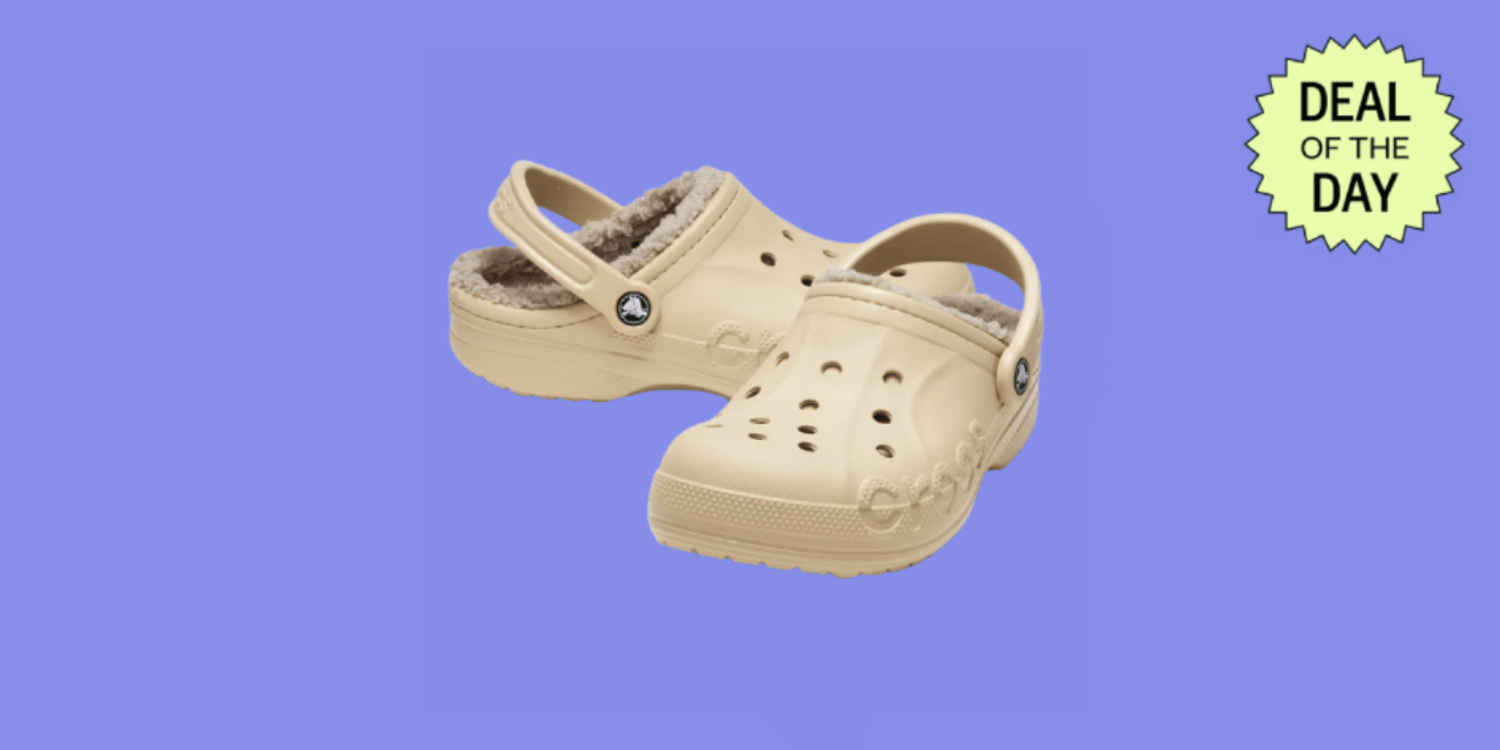
Every November, retail aggregators pump out the exact same breathless copy. They spot a markdown on fuzz-lined clogs at Walmart, slap a "Deal Alert" headline on the page, and tell you to sprint to checkout before sizes vanish. It is lazy commerce journalism at its absolute worst. It treats a seasonal clearance dump as an investment opportunity while ignoring the material reality of what happens when you trap human sweat inside non-breathable foam wrapped in cheap synthetic fleece.
You do not need another pair of discounted winter clogs. You need to understand why the footwear industry prices these hybrids to move before the first real freeze hits—and why the "cozy" lining is the exact feature that ruins the shoe.
The Anatomy of a Terrible Compromise
Classic foam clogs work for one specific reason. They are molded from Croslite, a proprietary closed-cell resin. Closed-cell foam does not absorb water. You can hose it off, bleach it, leave it in the sun, and walk through puddles without the material soaking up a single drop of liquid. The ventilation ports on the toe box and sides allow air to circulate, keeping the footbed relatively dry even when your feet warm up.
Now look at what happens when manufacturers glue a layer of polyester faux-shearling onto the inside of that exact same shell.
You take a waterproof, non-porous rubberized bucket and line it with a synthetic sponge. When your foot heats up—and human feet contain roughly 250,000 sweat glands capable of producing up to half a pint of moisture a day—that moisture has nowhere to go. The closed-cell resin blocks evaporation through the sole and walls. The polyester fleece traps the warm dampness directly against your skin.
In the footwear design world, we call this a microclimate failure. You get the worst of both worlds. You lose the easy-rinse hygiene of standard resin clogs, and you never get the temperature regulation of real shearling or merino wool. Real sheepskin breathes and naturally resists bacterial growth through lanolin. Cheap acrylic and polyester linings simply mat down, hold onto dead skin cells, and turn gray within three weeks of daily indoor wear.
Why Walmart Is Slashing Prices Right Now
Retailers do not cut prices in half out of holiday generosity. They slash prices because of inventory velocity and shelf-space economics.
Big-box mass merchants like Walmart operate on strict seasonal floor-set calendars. Footwear aisles have brutal cubic-footage quotas. Bulky, oversized foam clogs take up massive amounts of shelf and warehouse space compared to flat-packed sneakers or boxed boots. When third-party marketplace sellers or mass-market distributors over-forecast autumn demand for novelty comfort shoes, they face steep storage fees heading into peak fourth-quarter logistics bottlenecks.
A 50 percent markdown is a liquidation signal. The seller is trying to convert dead, bulky inventory back into liquid cash before winter weather arrives and consumers realize that open-heel clogs with zero tread depth are useless on wet pavement, slush, or ice.
If you buy them at half price, you are not beating the system. You are subsidizing a supply-chain miscalculation.
The Biomechanics Nobody Mentions in Deal Roundups
Let us look past the material science and talk about what happens to your body when you wear oversized, plush-lined clogs as daily house shoes or errand runners.
Standard clogs already require your toes to grip slightly with every step to keep the shoe from sliding off your heel—unless you engage the heel strap, which almost nobody does when slipping them on to take out the trash or walk the dog. Podiatrists refer to this unconscious toe-curling mechanism as clawing. Over months of daily wear, constant toe-gripping strains the plantar fascia and overworks the intrinsic muscles of the foot.
Adding a thick layer of synthetic fleece inside the shoe makes the biomechanical problem significantly worse.
- Loss of Footbed Friction: Bare feet or cotton socks grip textured resin reasonably well. Against slick polyester fuzz, your foot slides forward and laterally with every stride. Your toes have to work twice as hard to stabilize your forefoot.
- Accelerated Compression: Synthetic pile crushes unevenly under your heel and the ball of your foot. Within a month, the lining under your high-pressure zones flattens into hard, matted felt, while the lining around your arch stays fluffy. This alters the subtle geometry of the footbed and creates uneven pressure distribution.
- Zero Torsional Rigidity: Soft foam combined with a slick inner liner gives your ankle zero lateral stability. Step off a curb awkwardly or hit a patch of wet leaves on your driveway, and your foot rolls inside the shoe before the shoe even reacts to the ground.
I have consulted with independent footwear brands that spent hundreds of thousands of dollars trying to engineer a washable, lined EVA clog that wouldn't smell like a locker room or flatten out in thirty days. Every single prototype hit the same wall. If you glue the liner in, the shoe becomes unhygienic and disposable. If you make the liner removable with snaps or Velcro, the attachment points create painful pressure blisters on the top of the foot, and consumers lose the liners in the wash.
There is a reason major heritage footwear companies do not build serious cold-weather shoes out of molded closed-cell foam.
Dismantling the Common Excuses
Whenever I point out the flaws in lined foam clogs, buyers push back with the exact same three defenses. Every single one collapses under scrutiny.
"I just wear them to take the dog out in the morning."
This is the most common justification, and it is also the exact scenario where lined clogs fail fastest. Morning grass is covered in dew or frost. Because lined clogs retain the exact same low-slung sidewall profile and ventilation holes along the lower perimeter as summer clogs, moisture wicks straight through the side ports into the fleece lining the second you step into wet grass. Now your "quick errand" shoe has a damp interior that takes twelve hours to dry because the outer shell is waterproof.
"You can just throw them in the washing machine."
Read the care instructions carefully before you toss glued-foam footwear into a modern washing machine. Agitation and warm water break down the water-based adhesives used to bond synthetic fleece to resin shells. Even cold-water cycles force water deep into the dense backing of the pile, where it sits trapped against the foam. Put them near a heat vent or in a dryer to speed up the process, and the closed-cell resin warps, shrinks two full sizes, and curls at the toe box. Once Croslite shrinks from heat, it cannot be stretched back out.
"At half off, they are disposable anyway."
This mindset is precisely why landfills are choked with non-biodegradable EVA and polyurethane footwear. Closed-cell resin does not break down in soil. Buying a cheap shoe every November because it is 50 percent off, wearing it until the lining smells irredeemable by February, and tossing it in the bin means you are spending thirty dollars every single winter for mediocre comfort. Over four years, you have spent $120 on four pairs of disposable plastic shoes instead of buying one legitimate pair of slippers or clogs that would have lasted a decade.
What You Should Actually Buy Instead
If your actual goal is warm feet around the house, quick slip-on convenience for stepping outside, and genuine value for your money, stop chasing half-off clearance algorithms and look at materials that actually work with human biology.
- Boiled Wool Clogs (Haflinger or Giesswein): Boiled wool is naturally thermoregulating. It keeps your feet warm when the floorboards are freezing, yet breathes well enough that your feet never sweat in a heated room. Wool fibers contain natural antimicrobial properties that resist odor without chemical treatments, and molded cork-latex footbeds actually conform to your arch over time rather than collapsing into matted plastic.
- Suede Shearling Mules (L.L.Bean Wicked Good Slippers or Birkenstock Zermatt): If you want that plush, furry sensation underfoot, demand genuine shearling or replaceable wool insoles. Genuine sheepskin wicks moisture away from the skin as vapor. Even better, look for models with removable footbeds. When the wool eventually wears down after two or three winters, you spend twenty-five dollars on a fresh insert instead of throwing the entire shoe in the trash.
- Unlined Foam Clogs + Heavy Merino Socks: If you genuinely love the squishy shock absorption of classic Crocs and refuse to give them up, buy the standard unlined version and wear them with thick merino wool socks like Darn Tough or Smartwool. You get superior warmth, zero bacterial buildup inside the shoe, and when the lining gets dirty, you simply toss the socks in the laundry.
The next time a retail deal blog flashes a 50 percent discount banner in your face, ask yourself why the product needs a massive markdown at the exact start of the season it was supposedly built for. True value is measured in cost per wear and how your feet feel six months after checkout, not by the red strikethrough price on a product page.
Leave the fuzzy plastic clogs in the clearance bin. Your feet—and your laundry room—will thank you.