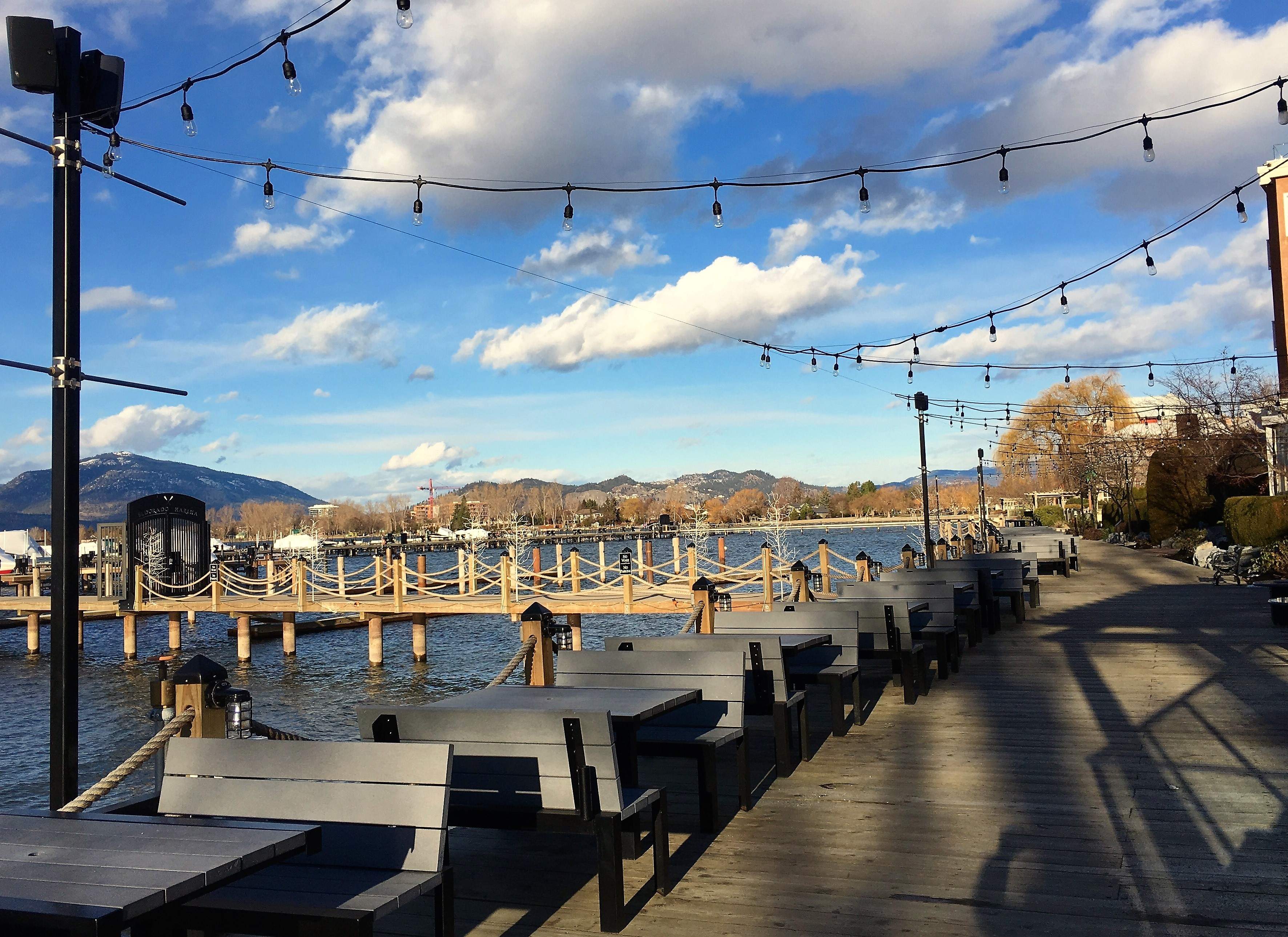
The lazy consensus on the Kelowna waterfront dispute reads like a municipal fairy tale. Local government plays the noble champion of public access; a private resort plays the greedy villain locking the gates. When a B.C. Supreme Court judge temporarily halted the city's heavy-handed attempt to expropriate the Hotel Eldorado boardwalk, local commentators threw their hands up in frustration. Another win for corporate obstruction, right?
Wrong.
If you think this legal battle is a simple story of a stubborn hotel owner keeping citizens away from the lake, you are swallowing municipal spin wholesale. Strip away the populist outrage, and you find a cautionary tale about bureaucratic overreach, weaponized property laws, and a city hall that tried to shortcut its way out of a contract it negotiated poorly.
I have watched municipalities across North America use the threat of expropriation as a sledgehammer whenever negotiations stall. They rely on the public's knee-jerk hatred of private developers to excuse procedural shortcuts. But property rights do not evaporate just because citizens want a scenic spot to walk their dogs on a Sunday afternoon.
Let us look at the mechanical reality of what happened. The boardwalk sits on private property, governed by a registered statutory right-of-way. That legal instrument is not a suggestion. It defines precise obligations for maintenance, liability, and access. When the structure deteriorated, the city closed it and expected free rein to execute repairs on land it does not own, under terms it dictated unilaterally.
When the hotel management balked—demanding clear agreements on liability, cost-sharing, and operational boundaries—city hall did what modern administrative bodies do when crossed. Instead of sitting across a mediation table like adults, they rushed an in-camera resolution to seize the land entirely.
Justice Milman’s decision to grant an interim injunction wasn’t a defense of corporate malice; it was a necessary check on administrative speed-running. Under the law, initiating an expropriation is easy, but once title vests, section 51 of the Expropriation Act permanently bars new challenges to the validity of the taking. Had the court not intervened, the city could have permanently altered property rights before the underlying legal review ever had its day in court.
Municipalities hate a fair fight because a fair fight requires compromise. Cities want the public relations win of a pristine waterfront without the unglamorous burden of negotiating mutual maintenance pacts with landowners who carry the ultimate liability if someone slips on a rotting plank.
Let us address the core question driving public anger: Why should a private entity control access to public enjoyment along the water?
The blunt answer is that they shouldn't have to bear the risks alone, either. A right-of-way grants passage, not ownership of the liability. If a municipality wants public park-level access on private commercial real estate, it must pay for it through transparent partnerships, not stealth resolutions passed behind closed doors without notice to the owner.
The hotel’s willingness to entertain mediation—even amidst the noise—highlights the fatal flaw in the city's strategy. Unilateral seizure is always slower, costlier, and messier than working out a functional operating agreement. Legal fees paid by taxpayers are currently underwriting a political ego trip disguised as urban planning.
Stop viewing municipal government as an underdog fighting for the public good. Sometimes, the government is just a bad business partner trying to rewrite the contract at gunpoint.