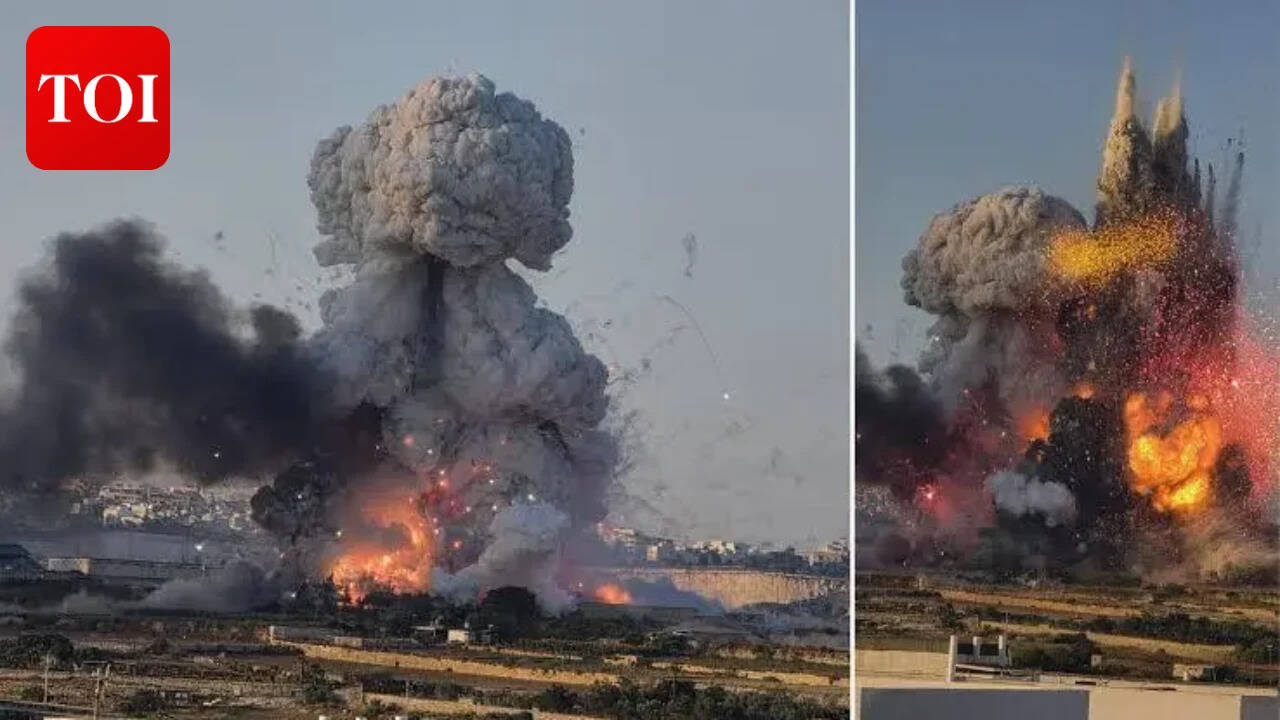
The media always follows the exact same script when a pyrotechnic facility goes vertical. Today it is the Ta' Lourdes fireworks factory in Magħtab. Cue the dramatic headlines detailing a massive plume of smoke visible across the island. Cue the generic quotes from terrified neighbors comparing the shockwave to a truck-sized hammer hitting their walls. Cue the predictable social media statements from newly re-elected politicians offering thoughts and prayers while promising immediate investigations.
This lazy consensus frames these explosions as shocking, unpredictable anomalies caused by a dangerous, outdated hobby. Mainstream outlets scream about structural damage, broken windows, and a pair of hospitalized farmers treated for minor injuries and shock. They want you to panic. They want you to demand a blanket ban on traditional pyrotechnics.
They are missing the entire point.
The explosion in Magħtab is not an indictment of fireworks manufacturing. It is a predictable consequence of a broken land-use policy and a complete failure to manage rural urban planning. If you build residential properties, establish walking trails like Kennedy Grove, and permit active livestock farming directly adjacent to a high-risk industrial zone, you forfeit the right to act surprised when an industrial accident impacts the surrounding area.
The Illusion of Randomness
I have spent decades analyzing industrial risk management and supply chain vulnerabilities. If there is one universal truth in safety engineering, it is that accidents are rarely accidental. They are systemic.
The Ta' Lourdes facility had already suffered a major explosion back in May 2018. To the untrained observer, a repeat performance in 2026 looks like negligence on the part of the pyrotechnicians. But look closer at the facts provided by the police: the initial blast occurred at 6:30 a.m. Not a single licensed worker was on site. The complex did not detonate because a careless hobbyist dropped a match while mixing flash powder.
When a factory explodes while completely empty in the early morning hours, you are looking at environmental factors, chemical instability related to storage conditions, or structural degradation. Traditional Maltese fireworks rely heavily on potassium perchlorate and dark pyro mixtures that are highly sensitive to ambient temperature shifts and humidity.
The media focuses entirely on the spectacular nature of the blast. They fail to ask the harder question: why are these high-risk chemical storage units still operating under an archaic regulatory framework that treats them like community social clubs rather than heavy chemical plants?
The Cost of Encroachment
The real tragedy of the Magħtab incident is not the shattered glass in nearby villas. It is the dead livestock and the uncompensated financial ruin of local agricultural workers.
According to statements from the Malta Youth in Agriculture Foundation, this factory sat squarely within a designated agricultural zone. Because of this bizarre zoning crossover, local farmers are now facing massive losses with zero safety net. Most commercial insurance policies feature explicit exclusion clauses for damage caused by explosive materials or industrial accidents originating outside the insured property.
Imagine running a dairy farm for generations, only to have your livelihood wiped out because the local planning authority decided a pyrotechnic storage facility belonged in the middle of your pasture.
This is the hypocrisy of the anti-fireworks lobby. They want the cultural prestige and the tourist dollars generated by Malta’s legendary village festas, but they refuse to build the dedicated, isolated industrial zones required to manufacture the product safely. You cannot slice up a tiny island into hyper-dense residential pockets, pepper it with agricultural smallholdings, jam a fireworks factory into the remaining empty field, and then blame the laws of physics when things explode.
Redefining the Real Risk
If you search for public opinion on this matter, you will find variations of the same question: "Are fireworks factories too dangerous for Malta?"
The premise of that question is fundamentally flawed. Fireworks manufacturing is a chemical process. Like petroleum refining, fertilizer production, or pharmaceutical compounding, it carries an inherent baseline risk. We do not ask if gas stations are too dangerous for society; we enforce strict containment zones and safety distances.
Malta’s problem is geographical denial.
- The Safe Separation Fallacy: Current planning policies rely on arbitrary distance buffers that fail to account for modern explosive yields. A shockwave that moves hair and shakes trees kilometers away at Kennedy Grove proves that a few hundred meters of open field is an obsolete safety metric.
- The Regulatory Loophole: Because many of these factories are tied to local band clubs and cultural societies, they are frequently managed by volunteers rather than corporate entities held to strict international safety standards like ISO 45001.
- The Insurance Void: The lack of a mandatory, state-backed pool of liability insurance specifically funded by a tax on pyrotechnic materials leaves innocent bystanders—like the two farmers injured today—completely exposed.
Stop Trying to Ban the Culture
The knee-jerk reaction from critics will be a call to outlaw the practice entirely. This is a naive solution that would only create a dangerous black market. Pyrotechnics are deeply woven into the cultural and economic fabric of Maltese tourism and community life. Ban the licensed factories, and you will simply move the manufacturing process into residential garages, creating far deadlier hazards in highly populated towns.
The solution is brutal, expensive, and entirely necessary: nationalize the storage infrastructure and isolate the manufacturing.
We need to stop treating fireworks production as a decentralized cottage industry. The manufacturing of these compounds must be restricted to centralized, state-regulated, subterranean or heavily bunkered facilities far removed from agricultural land and urban sprawl. If the state can fund massive infrastructure projects for roads and commercial hubs, it can fund a centralized, secure military-grade complex for pyrotechnic compounding.
Until we fix the spatial conflict between urban development, farming, and industrial chemistry, the sky over northern Malta will continue to fill with smoke. Stop blaming the technicians, stop crying over the inevitable results of bad zoning, and start forcing the planning authorities to separate the chemistry from the community.