The air in the Hormuz Strait doesn’t feel like the air anywhere else on Earth. It is thick, heavy with the scent of salt and the invisible weight of global tension. Here, the water isn’t just water; it is a narrow, shimmering throat through which the world’s lifeblood must pass. To a captain standing on the bridge of a vessel like the Desh Garima, this twenty-one-mile-wide stretch of sea is a gauntlet.
Steel. Oil. Silence.
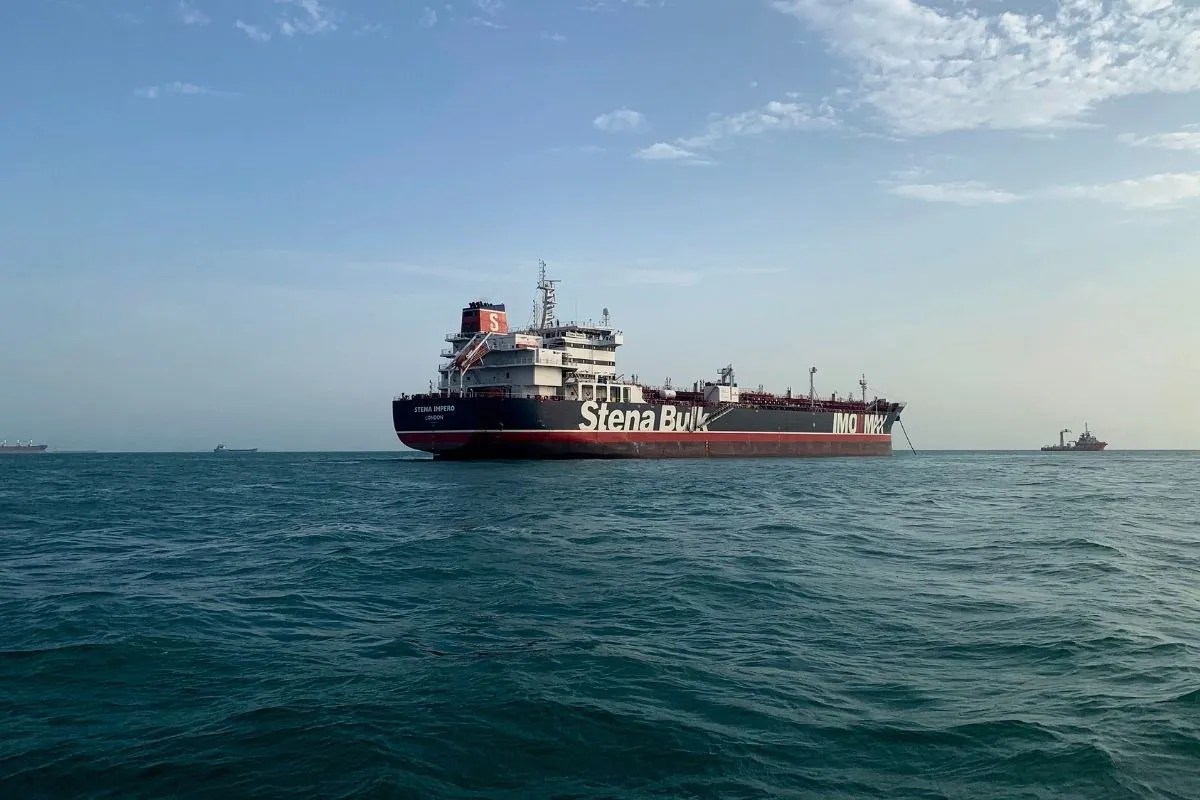
The Indian oil tanker Desh Garima is currently carving its way through these volatile waters. It isn’t just a ship. It is a floating island of energy, carrying the fuel that will eventually power a thousand commutes in Delhi, fry a million pakoras in Kolkata, and keep the lights humming in a farmhouse in Punjab. As it cleared the Strait of Hormuz, heading for its home port in Mumbai, it did more than just navigate a coordinate on a map. It successfully threaded a needle in a region where the margin for error has shrunk to nothing.
The Invisible Chokepoint
Think of the Strait of Hormuz as a single doorway in a burning building. On one side lies the Persian Gulf, holding the vast reserves of the Middle East. On the other lies the open Arabian Sea and the path to global markets. Every day, nearly twenty percent of the world’s total petroleum consumption passes through this tiny gap.
If that doorway slams shut, the world stops.
For the crew of the Desh Garima, the reality is less about global economics and more about the vibration of the deck beneath their boots. They are operating in a zone where the shadow of geopolitical conflict is long and dark. Recent months have seen a surge in maritime uncertainty—seizures, drone threats, and the constant, low-frequency hum of naval posturing. When an Indian vessel enters these waters, it carries the weight of the nation's energy security on its rusted, saltwater-stained shoulders.
The ship is massive. From a distance, it looks like a slow-moving mountain of iron. But up close, you see the human scale. You see a sailor checking a pressure gauge, his hands greasy, his mind perhaps on a family back in Kerala or Maharashtra. He knows that the oil he is guarding is the reason India stays mobile. He also knows that right now, they are sailing through the most monitored piece of ocean on the planet.
The Logistics of Survival
The journey of the Desh Garima is a masterclass in timing and grit. The vessel is scheduled to dock in Mumbai on April 22. That date isn't just a deadline on a shipping manifest; it is the culmination of a high-stakes chess game played between international suppliers, shipping companies, and the Indian government.
India imports nearly 85% of its crude oil. This dependency creates a peculiar kind of vulnerability. We are a nation on the move, a country of 1.4 billion people dreaming of faster trains and smoother roads. Yet, all of that ambition is tethered to ships like this one.
When the news reports that a tanker has "cleared the Strait," it sounds mechanical. It sounds easy. In reality, it involves navigating a complex web of international maritime law, avoiding "gray zone" tactics from regional actors, and maintaining a steady speed while the world’s most powerful navies watch your every move through satellite feeds and radar sweeps.
Suppose a hypothetical junior officer, let’s call him Arjun, is standing watch during the transit. For Arjun, the "geopolitical landscape" isn't a phrase used by news anchors. It is a blip on a radar screen. It is the sight of an unidentified patrol boat trailing them at a distance. It is the crackle of the radio in a language he doesn’t speak. The tension is a physical presence in the room, like the heat of the engine.
Why This Tanker Matters More Than the Rest
The Desh Garima carries more than just crude. It carries a message of continuity. In an era where supply chains are fracturing and energy prices are a rollercoaster, the arrival of a major tanker on schedule is an act of defiance against chaos.
Mumbai’s port is a chaotic symphony of cranes and salt air. When the ship finally pulls into the harbor on the 22nd, it will be met with the practiced efficiency of dockworkers who have seen a thousand ships come and go. But this arrival feels different. It marks another successful bypass of a conflict zone that has claimed or delayed so many others.
The mathematics of the voyage are staggering.
$V = \frac{D}{t}$
Velocity equals distance over time. It’s a simple formula we learn in school, but for a tanker, velocity is dictated by safety, and time is dictated by the global market. Every hour spent idling in a standoff or diverted by a threat adds millions to the cost of the cargo. When the Desh Garima maintained its heading, it protected the pockets of every Indian citizen who will eventually pump that fuel.
The Human Cost of Energy
We often talk about oil in terms of "barrels" or "price per liter." We rarely talk about it in terms of "nerves."
The maritime industry is the skeleton of our modern world, yet it remains largely invisible to the people who benefit from it most. We see the petrol station, but we don’t see the bridge of the tanker at 3:00 AM in the middle of the Gulf of Oman. We don’t feel the spray of the sea or the bone-deep exhaustion of a crew that has been on high alert for weeks.
The Desh Garima is a reminder that our comfort is built on the courage of people willing to sail into the eye of the storm. It is a story of iron, water, and the quiet persistence of a nation that refuses to let its progress be choked off at a narrow strait.
As the sun sets over the Arabian Sea, the ship moves closer to the Mumbai skyline. The lights of the city will soon begin to twinkle, oblivious to the fact that their glow is fueled by the very vessel currently cutting through the dark waves just over the horizon. The journey is nearly over, but the cycle will begin again. Another ship, another strait, another silent victory for the people who keep the world turning.
The anchor will drop. The valves will open. The pulse of the nation will beat on, steady and uninterrupted, because a mountain of steel refused to flinch.