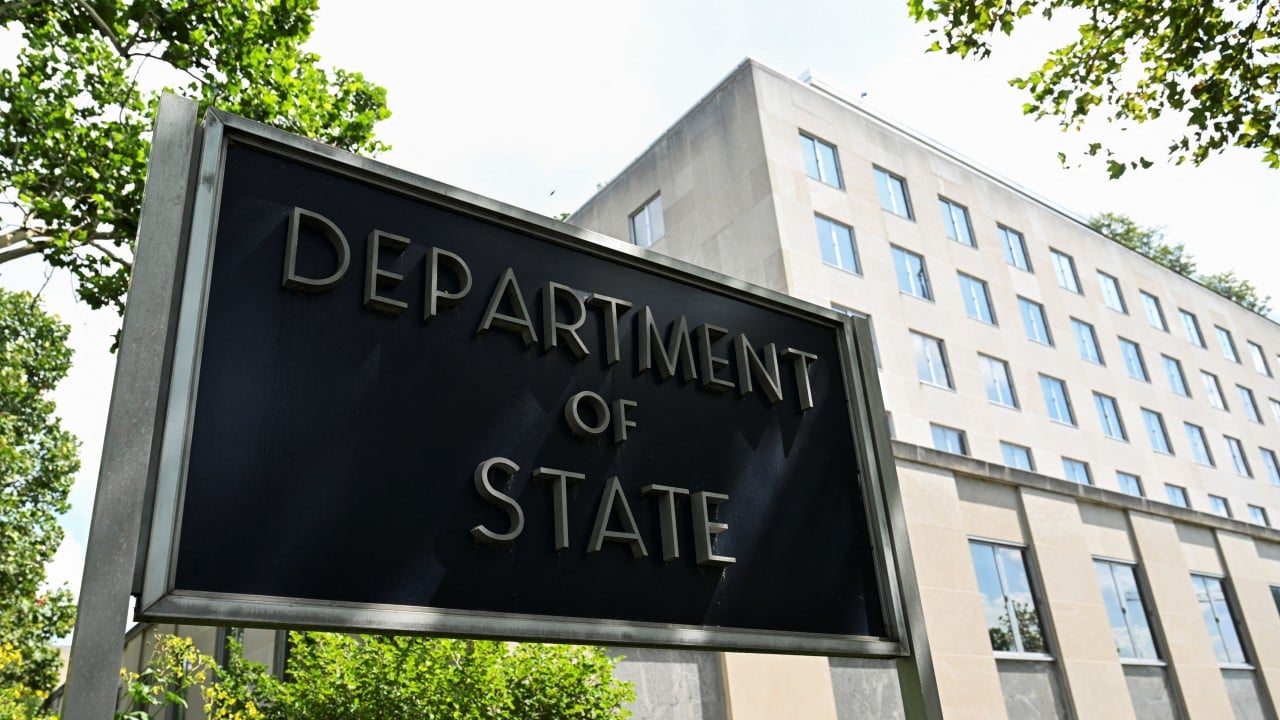
America's global footprint is shrinking. Quietly and without much public debate, the State Department has notified congressional committees that it plans to shutter five foreign missions.
If you live near Winnipeg, Nagoya, Medan, St. George's, or Douala, your local touchpoint with American diplomacy is about to disappear. Winnipeg in Canada, Nagoya in Japan, Medan in Indonesia, St. George's in Grenada, and Douala in Cameroon are all slated for closure. Discover more on a similar issue: this related article.
This isn't just bureaucratic housekeeping. It marks a concrete shift in how Washington manages foreign relations.
The Real Drivers Behind the Closures
For years, maintaining a sprawling network of consulates was treated as an unquestioned good. You need eyes and ears everywhere. Right? More journalism by Reuters explores related perspectives on this issue.
Budgets and political priorities tell a different story now. The move follows months of internal friction over the cost-effectiveness of smaller foreign missions. Under the "America First" restructuring framework pushed by the administration, officials are aggressively auditing where taxpayer dollars go. Some smaller posts simply don't pull their weight in terms of visa processing, trade advocacy, or citizen services.
Maintaining brick-and-mortar diplomatic properties overseas costs a fortune. Security upgrades, lease agreements, and local staff salaries add up fast. When Washington looks at a ledger sheet, a consulate handling a low volume of routine passport renewals or localized visa applications looks like an easy target for budget cuts.
Critics, however, aren't buying the fiscal responsibility argument.
The Geopolitical Gamble
Foreign policy traditionalists are sounding alarms. When the U.S. pulls back its physical presence, other global players step into the vacuum.
China and Russia don't need invitations to expand their diplomatic and economic influence. In places like Indonesia and Cameroon, face-to-face diplomacy matters immensely. Local business leaders, students seeking educational exchanges, and regional politicians rely on local consulates to build ties with the United States.
By closing posts like Medan in Indonesia or Nagoya in Japan, the State Department is centralizing operations. Citizens and local partners will now have to route their business through main embassies in capital cities like Jakarta or Tokyo. That means longer travel times, higher costs, and less localized intelligence for Washington.
It creates a bottleneck. If you need emergency assistance or consular processing in a region that just lost its local office, your options narrow instantly.
What Happens Next for Local Nationals and Expats
If you are an American expat living near Winnipeg or an international student hoping to study in the U.S. from Sumatra, these closures alter your daily reality.
You'll need to check the State Department’s transition guidance immediately. Local staff at these doomed posts are facing layoffs or reassignment, and regional embassies are scrambling to absorb the incoming workload. Expect backlogs.
Plan your visa applications, document authentications, and travel logistics months in advance. The era of the hyper-local American consulate is taking a hit, and DIY diplomacy is becoming the default rule.