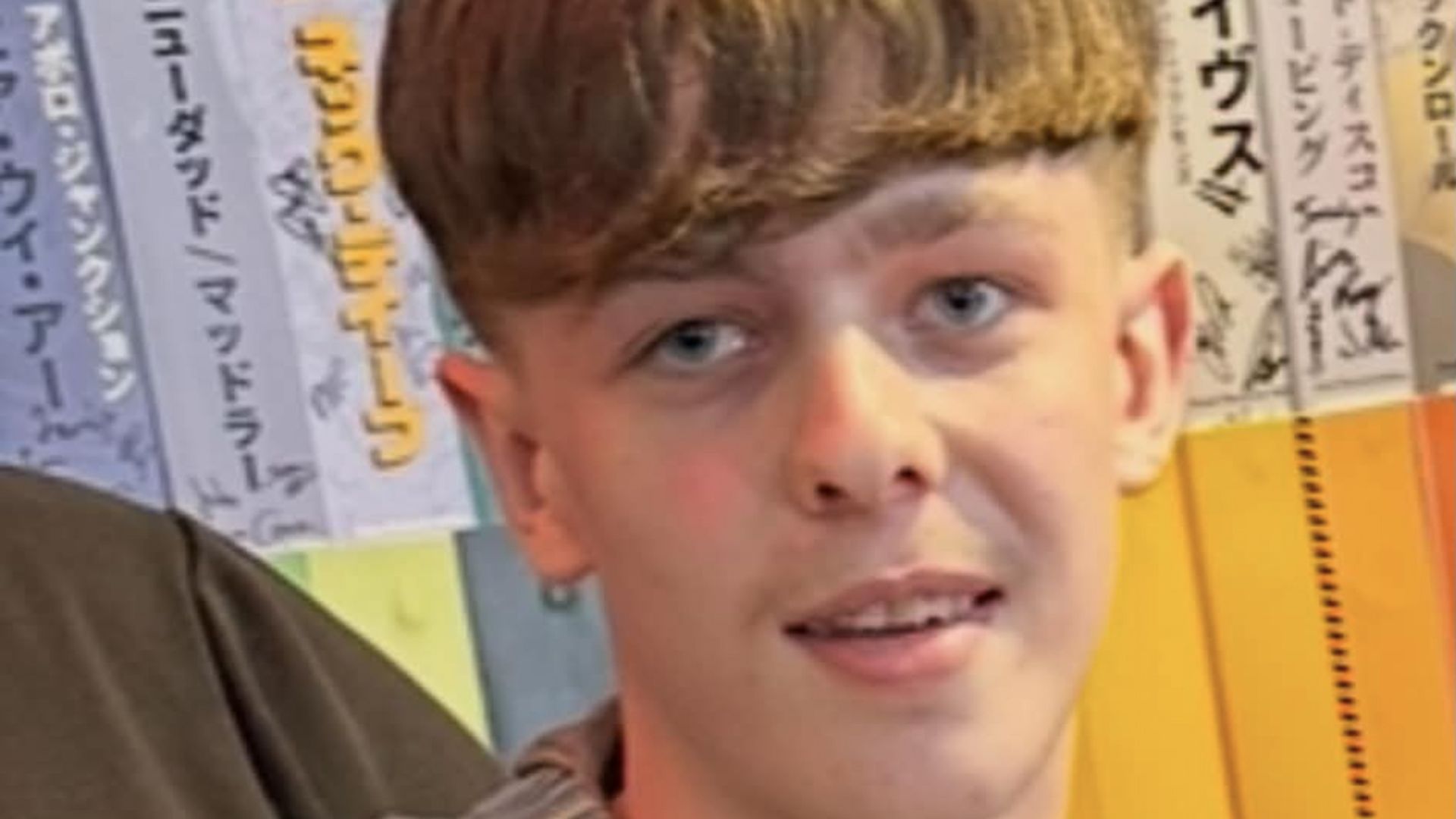
The morning light in a suburban bedroom often tells a familiar story. Shoes kicked off haphazardly near the door. A jacket draped over a chair, waiting for the next hurried exit. Keys tossed onto a counter with a sharp, metallic clatter. These ordinary objects hold a quiet kind of magic. They are proof of life in motion, evidence of a person moving through the world with energy and purpose.
When that motion stops permanently, those same objects undergo a terrifying transformation. They become monuments.
Consider the boots left by the door. Yesterday, they were just footwear, scuffed at the toe from a gear shift, carrying the scent of asphalt and morning dew. Today, they are artifacts. They sit in frozen silence, mocking the suddenness of an absence that defies comprehension. This is the jagged reality faced by families who lose a young rider to the open road—a grief so heavy it distorts the very air in the room.
Across communities, headlines flash with brief, clinical summaries. A collision. A road closure. An investigation underway. These dispatches reduce a vibrant human existence to a statistic on a local news feed. They mention a teenage motorcyclist, a crumpled machine, a devastated family. But numbers and bullet points cannot capture the sheer velocity of a life cut short, nor can they measure the shockwave that ripples through a household when the front door opens and someone who belongs there never walks through it again.
Loss of this magnitude does not arrive with a warning. It shatters the normal rhythm of a Tuesday or a Friday night.
Imagine the phone call. Not a rich, cinematic sequence, but the blunt, fractured reality of a hospital or a police dispatcher. The voice on the other end is calm, professional, and entirely unequipped to deliver the earthquake that is about to strike a parent’s chest. In that single second, the future splits cleanly away from the past. Everything that was planned—universities, weekend trips, careless laughter over kitchen tables, the quiet pride of watching someone grow into their own skin—evaporates.
The road holds a unique kind of romance for the young. To a teenager, a motorcycle is not merely transportation. It is freedom incarnate. It is the raw feeling of wind against a jacket, the lean into a curve, the sensation of commanding raw power with just a twist of the wrist. For a brief moment, the heavy expectations of youth dissolve into pure motion. The highway offers an escape hatch from the awkwardness of growing up, a place where the horizon belongs entirely to the rider.
Yet that very freedom carries an invisible, terrifying tax.
Physics is indifferent to enthusiasm. On two wheels, the human body has no cage of steel, no airbags to cushion a mistake, no margin for the split-second error of a distracted driver or a patch of hidden gravel. Every time a young rider pulls out of the driveway, they enter a delicate bargain with fate. They trade safety for sensation. Most of the time, the bargain holds. The ride ends safely, the helmet comes off, and hair is tousled from the wind.
Until the time it doesn't.
When a crash happens, the aftermath is a study in profound quiet. The motorcycle, once a roaring machine of chrome and fiberglass, is towed away to a forgotten lot, reduced to twisted metal. The police report is filed, filled with technical terms, skid marks measured in feet, and angle calculations. But none of those measurements explain why the laughter stopped. None of them capture the sound of a mother standing in her son's bedroom, holding a worn leather glove, wondering how the world is allowed to keep spinning on its axis when hers has ground to a complete halt.
Grief like this is not a straight line. It does not follow the tidy stages prescribed by textbooks. It arrives in unpredictable waves. It lives in the smell of laundry detergent on a discarded hoodie. It echoes in the sudden silence of a driveway that will no longer hear the low rumble of an engine pulling home at dusk. Friends grapple with their own mortality, navigating the cruel paradox of being nineteen years old and suddenly forced to attend a funeral instead of a graduation party. They look at their own motorcycles with complicated eyes—fear wrestling with loyalty to the memory of someone they loved.
Communities try to wrap their arms around the shattered family. Flowers pile up at the roadside, plastic wrapped bouquets tied to utility poles, fading slowly in the sun. Candles flicker in the damp evening air as peers gather in parking lots, holding each other in the dark, speaking in whispers. These gestures matter. They are proof that the young rider was seen, that they mattered, that their existence left a permanent mark on the landscape of their town.
Yet, when the mourners eventually go home and the candles burn down to wax, the true test begins. The family is left in the quiet house. They must face the mail that still arrives with the teenager's name on it. They must decide what to do with the room upstairs, where the posters still hang on the walls and textbooks sit open to a page that will never be finished.
This is the hidden cost of the open road. It takes the brightest, most daring spirits—those eager to taste everything the world has to offer—and asks the ultimate price.
In the end, the headlines fade. The intersection is repaved, the skid marks wash away in the rain, and traffic resumes its frantic daily rhythm. But in the quiet corners of a grieving home, the story remains unfinished. The boots by the door stay put. The air holds its breath. And those who loved the rider carry forward a permanent ache, walking through a world that looks entirely the same, yet has lost all of its color.