Silence has weight. In Kathmandu, after the ground stops shaking or the monsoon waters finally recede from the alleyways, the silence that settles over certain doorways does not feel like peace. It feels like an absence so dense it bends the light.
Maya knows this silence. For months, it has been the only occupant of her living room. Learn more on a connected issue: this related article.
When people talk about natural disasters or sudden tragedies in the high Himalayas, they speak in the clean, sanitized language of reports. They mention coordinates, magnitude scales, and casualty figures rounded to the nearest ten. They talk about logistics, aid distribution, and geopolitical friction. But numbers do not have mothers. Statistics do not have fathers who spent forty years walking the steep, terraced stone paths of Langtang, knowing every fold of the mountain as if it were a map written on their own palms.
Maya's parents were on one of those paths when the world broke open. Additional analysis by NBC News explores comparable views on this issue.
Consider what happens next. Not in the briefing rooms of international NGOs, but in the quiet kitchen where a daughter stares at a pair of wool shoes left by the door. The laces are still tied the way her father left them. Shoes are stubbornly optimistic things. They outlive the feet that filled them, waiting for a movement that does not come.
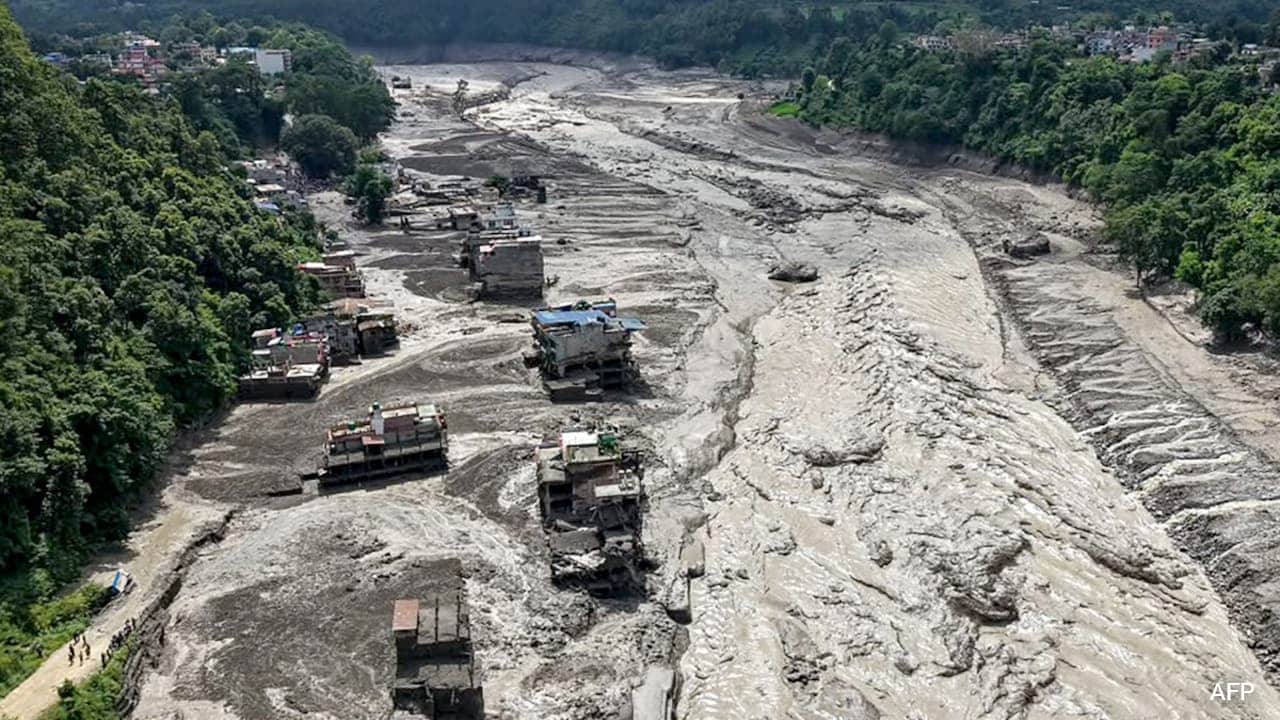
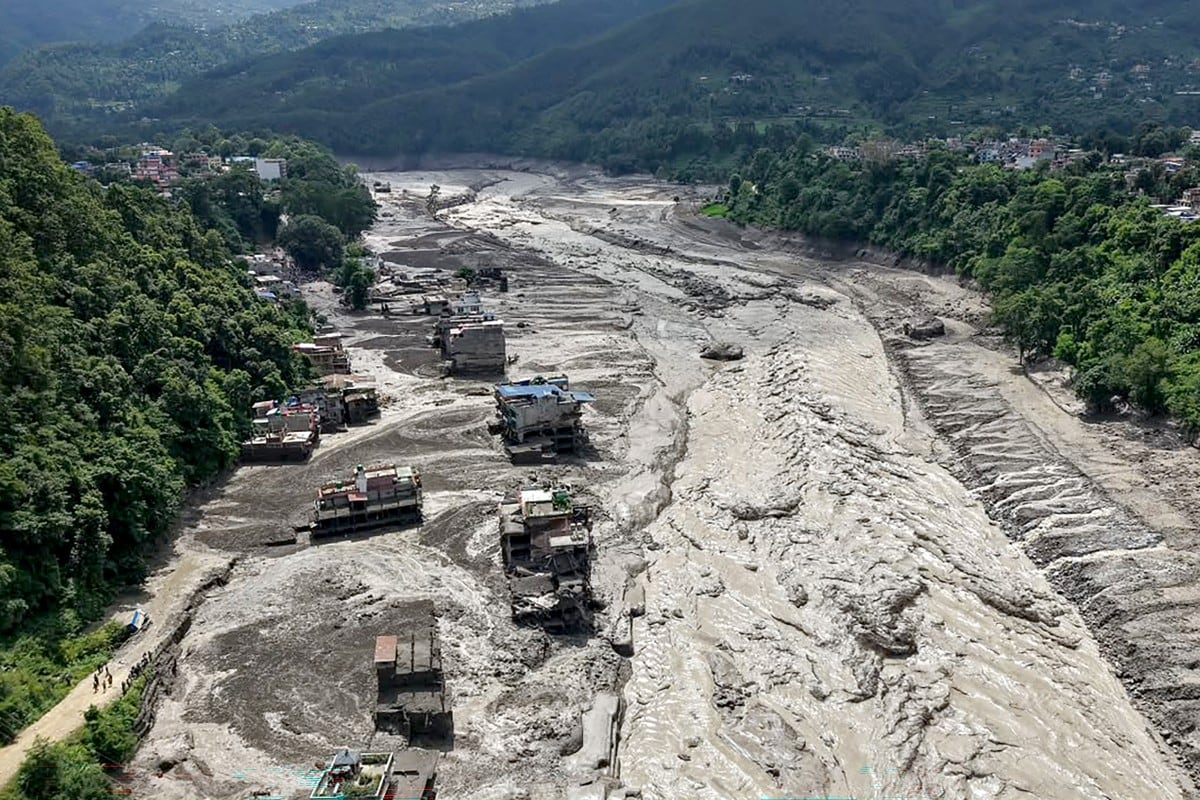
The search for the missing in Nepal is rarely a cinematic sweep of helicopters and rescue teams cutting through mist. Most of the time, it is an exercise in agonizing patience played out against a landscape that swallows evidence. Landslides erase trails. Rivers shift their courses overnight, turning valleys into gravelly tombs. Avalanches pack snow so tightly it becomes as hard as concrete, sealing secrets beneath white domes that look, from a distance, entirely serene.
Families like Maya's live in a permanent twilight. They are caught between the instinct to mourn and the cruel, flickering hope of the unverified rumor.
Someone saw an older couple near the tea house.
A backpack matching that description turned up in a village three valleys over.
Every whisper becomes a lifeline. Every phone call from an unknown number makes the heart hammer against the ribs. This is the invisible toll of catastrophe. The initial event lasts minutes, but the limbo lasts a lifetime.
To understand the search, you have to understand the geography of loss in these remote regions. Nepal is vertical country. A distance that looks like three miles on a flat map might require crossing a suspension bridge swaying over a roaring glacial river, climbing five thousand stone steps, and navigating a ridge where the wind can strip the breath right out of your lungs. When someone vanishes here, the search parties are often local guides and family members who refuse to stop, funding their own expeditions with borrowed rupees and sheer, stubborn grief.
Official search efforts have limits. Budgets run dry. Personnel are redeployed. Snow falls again, covering the very tracks searchers spent weeks uncovering. Governments must eventually close cases to allocate resources to the living. But how do you close a case when the chair at the dinner table remains pulled out?
Maya packed a small bag three months after the disappearance. She went north.
She did not go with a high-tech expedition or a media crew. She went with a laminated photograph and a voice that had grown hoarse from asking questions to strangers who looked away, unable to bear the raw edge of her despair. Up there, the air is thin. Every breath feels like work. Her lungs burned, but the burn was a relief; it crowded out the panic for a few minutes at a time.
She walked the trails her parents loved. She stopped at every tea house, showing the photograph to owners who poured butter tea and shook their heads with heavy eyes. They knew the mountains. They also knew the mountains kept what they took.
Yet, in that journey, Maya found something unexpected. Not her parents. Not the closure that daytime television promises with neat, thirty-minute resolutions. She found a shared language.
Along the trail, she met a dozen other people looking for brothers, sisters, daughters, sons. They didn't speak much. They walked together for hours through the pine forests, their boots crunching on the frozen needles, bound together by an invisible fraternity of the unreturned. When one of them stopped to catch their breath, the others waited. No one hurried anyone else. In the high altitudes, everyone understands that rushing only drains your stamina, and grief is the steepest climb of all.
The search for the missing in Nepal is ultimately an act of radical defiance against forgetting.
In a modern world obsessed with instant answers and trackable packages, where every delivery can be monitored to the exact second via satellite, the ancient mystery of a human being vanishing into nature feels almost archaic. It forces us to confront our fragility. We are not masters of these landscapes; we are temporary guests who leave very faint footprints.
When Maya reached the high pass where the prayer flags whip endlessly in the gale, she pulled the red scarf from her pocket. It had belonged to her mother. She tied it to the wire alongside hundreds of others, faded ribbons snapping in the wind like a chorus of small, colorful voices refusing to be silenced.
She did not find the answers carved into the rock. She did not find a miracle at the end of the trail.
She found the wind. She found the stone. She found that love does not evaporate simply because a body cannot be recovered.
Down in the valley, the city noise resumed its frantic rhythm. Traffic choked the dusty streets. Markets bustled. Life surged forward with the ruthless indifference of spring. But somewhere up in the folds of the giant peaks, past the timberline where the ice turns blue and the sky is a vast, unpitying blue, two spirits remain suspended in the timeless weather of the roof of the world, kept company only by the wind and the daughters who refuse to stop walking.