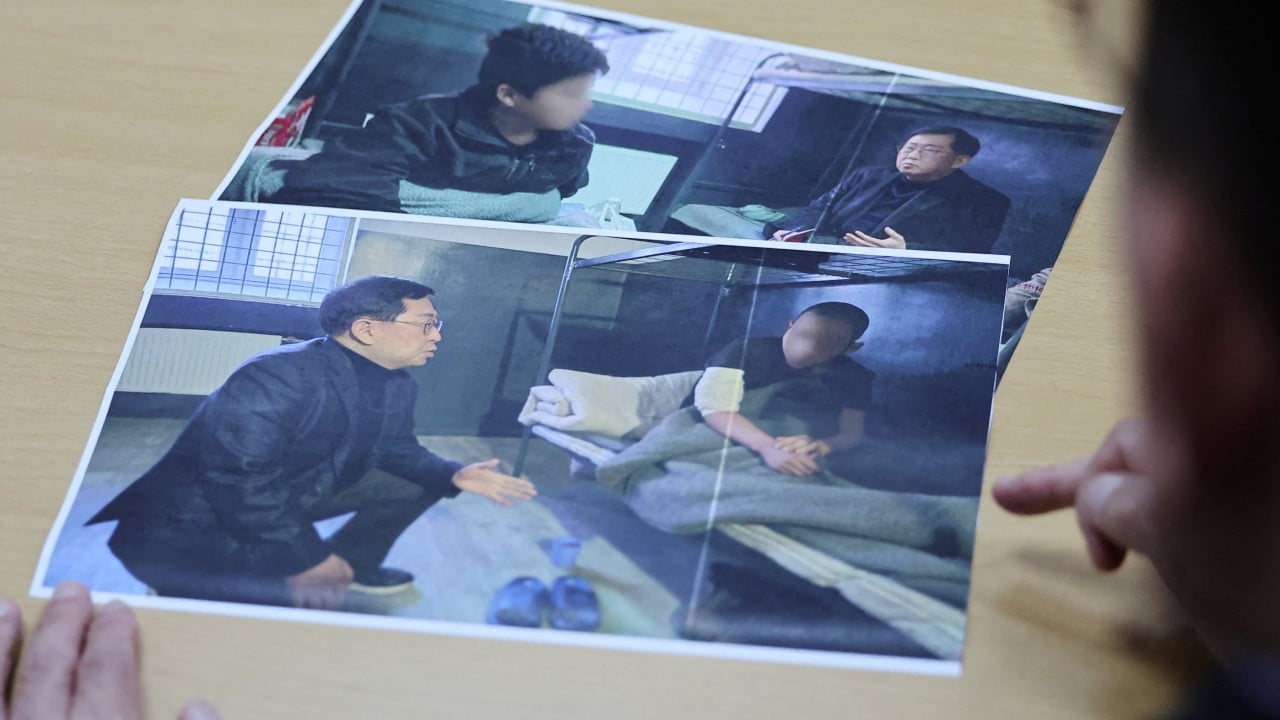
Geopolitics rarely operates in neat boxes. When two North Korean prisoners of war captured in Ukraine arrived in Seoul, it wasn't just a minor intelligence handover. It instantly triggered a diplomatic fracture between South Korea and Ukraine, exposing deep rifts over military aid, secret agreements, and the high stakes of modern proxy conflicts.
If you've been wondering why a bilateral transfer of two captured soldiers could threaten billions in foreign policy alignment, you have to look past the headlines. This isn't just about prisoners. It's about broken trust, intelligence leaks, and Seoul's carefully guarded red lines on lethal assistance to Kyiv. Meanwhile, you can find similar events here: Inside the Charing Cross Scandal That Exposed the Rot Within Britain's Biggest Force.
The Secret Handover That Sparked a Row
The friction began when Ukrainian President Volodymyr Zelenskyy publicly disclosed the transfer of two North Korean servicemen—who had been captured by Ukrainian forces in the Kursk region. According to South Korea's National Intelligence Service (NIS), Seoul and Kyiv had an explicit, pre-arranged agreement: keep the operation strictly confidential.
Why does confidentiality matter so much? Because public exposure jeopardizes the safety of the soldiers' families still trapped inside North Korea and complicates future intelligence channels. When Zelenskyy announced the move, South Korea's presidential office didn't celebrate an anti-Pyongyang victory. Instead, they demanded an official explanation and apology, accusing Kyiv of breaking a foundational security protocol. To explore the complete picture, check out the recent article by The Guardian.
Did Seoul Promise Military Aid in Return?
Rumors quickly circulated that the prisoner transfer was part of a quid pro quo—implying Seoul had finally agreed to send direct lethal military aid or advanced air defense systems to Ukraine. Lawmakers in Seoul quickly slammed the brakes on that narrative.
South Korean officials clarified that no such pledges were made, and Ukrainian authorities imposed no formal conditions for releasing the prisoners. For South Korea, the distinction is vital. Seoul maintains a strict legal and political stance against exporting lethal weapons to active war zones. Breaking that precedent for two prisoners would invite fierce economic and security blowback from Moscow, especially given Russia's growing strategic ties with Pyongyang.
What This Means for Future Alliance Dynamics
The fallout reveals the delicate tightrope South Korea must walk. On one side, Seoul faces mounting pressure from Western allies to step up its support for Ukraine as thousands of North Korean troops and laborers deploy to Russian territory. On the other side, South Korea's primary security focus remains the Korean Peninsula, where escalating Russian-North Korean military cooperation poses a direct, existential threat.
When intelligence sharing turns into public posturing, everyone loses. Kyiv gets headlines, but it risks alienating one of the few global economies capable of industrial-scale defense manufacturing. Seoul gets defensive, pulling back on cooperation to protect its own intelligence networks and political stability.
Diplomatic friction like this takes months of quiet back-channel negotiations to repair. As foreign ministers meet on the sidelines of international summits to patch things up, the reality remains clear: bringing North Korean soldiers into the South Korean capital changed the rules of engagement, and the diplomatic cost is still climbing.