Foreign policy alliances are messy. When Washington pushes hard for military backup, traditional partners usually scramble to find a diplomatic way out. South Korea didn't bother with polite diplomatic smoke and mirrors. President Lee Jae Myung drew a hard line, stating publicly that Seoul will not send troops or military assets into a conflict that could drag the country into a messy Middle Eastern war.
If you look past the standard diplomatic headlines, this refusal marks a fascinating shift in modern geopolitics. Washington expected compliance. Seoul looked at its own economic survival and domestic stability, and answered with a flat refusal.
The Real Cost of Saying No to Washington
Donald Trump made no secret of his frustration. Pointing to the tens of thousands of American service members stationed on the Korean Peninsula to deter North Korea, the White House questioned why Seoul wouldn't return the favor in the Strait of Hormuz. It sounds like a straightforward transactional argument on paper. You protect us from Pyongyang, we expect your navy in the Middle East.
Real life doesn't work that way. South Korea sources roughly seventy percent of its oil imports from the Middle East, and almost all of those vital energy supplies transit through the Strait of Hormuz. Jumping headfirst into a direct military confrontation with Iran wouldn't just anger a major energy supplier; it would actively threaten the economic lifeline of the entire South Korean industrial base. President Lee made it clear that while Seoul cares deeply about safeguarding commercial navigation, they won't participate in offensive military operations or enter a war that compromises national security at home.
Walking a Tightrope in the Gulf
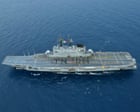
Seoul isn't completely turning its back on maritime security, though. South Korea already maintains the Cheonghae naval unit operating near the Gulf of Aden for anti-piracy missions. Discussions in Seoul have centered on expanding or shifting the operational focus of existing anti-piracy assets rather than sending new combat troops dedicated to a U.S.-led war.
This distinction matters immensely. Tehran has warned regional and international actors that any logistical or naval support for U.S. operations will face severe repercussions. Iranian officials even invoked traditional proverbs to caution middle powers against hitching their wagons to a superpower's aggressive posture. By keeping naval movements strictly tied to defensive anti-piracy and commercial navigation protection, Seoul tries to thread the needle. They want to appease Washington's concerns over open sea lanes without painting a massive target on their own commercial tankers.
Domestic Politics Change the Equation
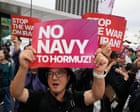
You also have to look at the political reality inside South Korea. Public sentiment on foreign military entanglements is sharp and unforgiving. Protesters in Seoul made their feelings known immediately when rumors of a Hormuz deployment began circulating. Citizens have zero appetite for seeing their soldiers deployed into a volatile theater thousands of miles away for a conflict that does not threaten their immediate territorial integrity.
For an administration in Seoul, ignoring public outrage over a foreign war is political suicide. Lee's direct refusal wasn't just a message to Washington; it was a clear signal to voters that national interests come before foreign pressure.
The alliance between Seoul and Washington remains intact, but this friction proves that junior partners are increasingly charting their own course when superpower ambitions clash with local realities.
South Korean President Lee Jae Myung rejects military role in Iran war amid Hormuz tensions
A look at how South Korea's leadership publicly drew the line against participating in the U.S.-Iran conflict.