Gunfire tore through packed weekend crowds, leaving communities shattered and authorities scrambling for answers. In late September, two separate mass shootings in South Africa—one in Wedela near Johannesburg and another in Lwandle near Cape Town—left at least 28 people dead. These weren't isolated anomalies. They represent a deeply troubling pattern of violent crime that continues to plague the country's most vulnerable townships.
If you look past the initial shock headlines, you'll see a complex web of organized crime, illegal mining turf wars, and local business rivalries turning ordinary weekend spaces into war zones.
The Anatomy of the Weekend Tragedies
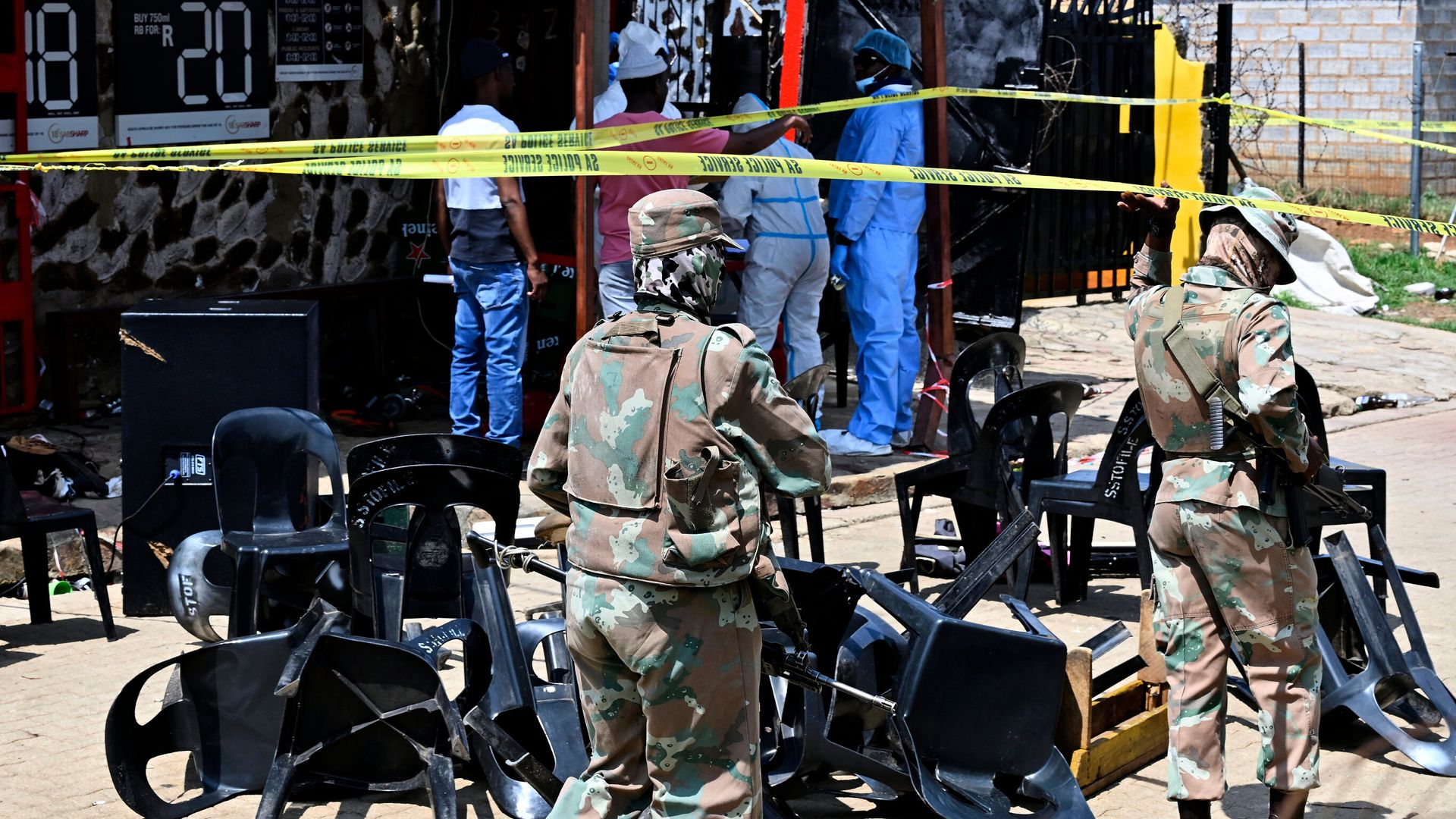
The violence unfolded in rapid succession. In Wedela, a township southwest of Johannesburg, multiple gunmen armed with pistols and AK-47 assault rifles stormed a local bar. They didn't just fire blindly from the doorway; witnesses reported that attackers searched patrons for cellphones before executing a sustained barrage. By the time the smoke cleared, 18 people were dead and over a dozen others were wounded, some critically. Local law enforcement pointed toward underground conflicts, including suspected illegal gold mining disputes, as a primary motive behind the massacre.
Hours later, hundreds of miles away in Lwandle near Cape Town, a similar horror played out. Gunmen targeted an entertainment venue, killing 10 people and injuring 11 more. Western Cape provincial authorities highlighted business rivalry—specifically disputes over cheaper alcohol sales and patronage—as a driving factor.
When you examine these details side by side, a stark reality emerges. These aren't random acts of domestic disputes. They are calculated, heavily armed assaults carried out where communities gather to unwind.
Why Townships Are Becoming Dead Zones
South Africa registers thousands of murders every year, routinely ranking among countries with the highest per-capita homicide rates globally. Yet national crime statistics often show minor percentage drops in overall contact crimes, creating a disconnect between broad data reports and the terror felt on the ground.
Townships like Wedela and Lwandle share specific vulnerabilities:
- High unemployment rates that fuel shadow economies.
- Proliferation of illegal firearms circulating through organized syndicates.
- Under-resourced local policing units that struggle to patrol sprawling informal settlements.
When illegal mining rings or neighborhood extortion networks clash, local taverns and gathering spots turn into battlefields. Criminal groups operate with a sense of impunity because intelligence gathering and rapid response capabilities in these areas remain severely constrained.
Moving Beyond the Shock Cycle
Every time a mass casualty event hits the news cycle, politicians promise heavier police deployments and sweeping crackdowns. But temporary boots on the ground don't solve the structural rot. Stopping these tragedies requires dismantling the illicit supply chains feeding military-grade weapons into townships and taking down the syndicate bosses who treat human life as collateral damage in turf wars.
Until law enforcement dismantles the financial and logistical networks behind these gangs, ordinary citizens will keep paying the ultimate price for simply stepping out on a weekend night.
South Africa mass shootings kill at least 27 as illegal ...
This news report provides a concise overview of the fatal weekend shootings and the immediate police response in the affected South African provinces.