The coffee in the paper cup grows cold while the town square fills with a restless, waiting murmur. Out here, ninety minutes west of Berlin in the flat agricultural expanse of Saxony-Anhalt, the air smells faintly of damp earth and exhaust. People stand shoulder to shoulder, wrapped in heavy jackets, watching the road. They are waiting for a man who rides a blue Simson moped into political rallies like a local returning from a shift at the plant.
When Ulrich Siegmund arrives, he does not look like an existential threat.
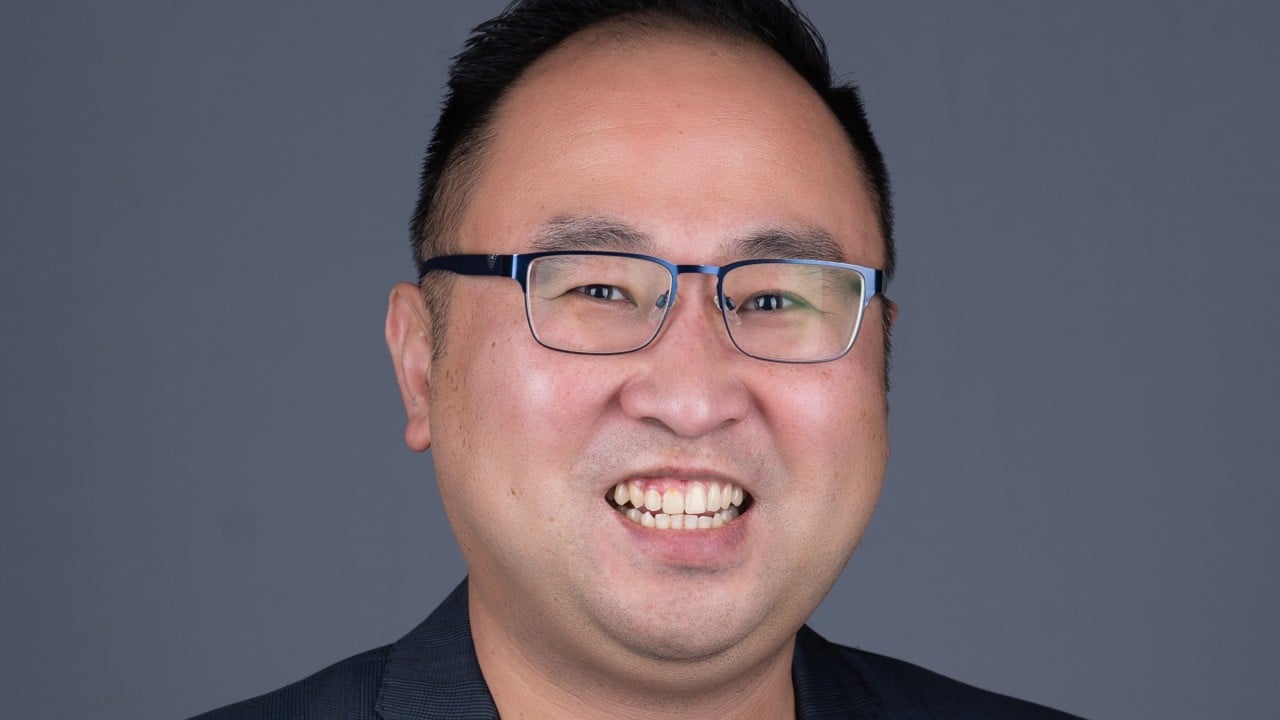
Dressed in a clean white polo shirt, his hair meticulously gelled and his beard trimmed to a sharp point, he moves through the crowd with the easy grace of a neighborhood entrepreneur. He flashes a white-toothed grin. He asks how everyone is doing. He listens. In a political ecosystem where establishment figures often sound like they are reading legal disclaimers through glass windows, Siegmund looks people dead in the eye.
Weeks before the state election shook the foundations of the Federal Republic, a prominent German magazine plastered his face across its cover with a stark, provocative label: the most dangerous man in Germany.
To understand why a thirty-five-year-old regional politician earned such a title, you have to look past the ink and step into the economic gravity of eastern Germany. Saxony-Anhalt has long wrestled with the lowest gross domestic product per capita in the country. For years, young people have packed their bags for Frankfurt or Munich, leaving behind aging villages, quiet main streets, and a quiet, festering resentment toward Berlin. The political elite in the capital talk about green transitions and global metrics while local bakeries close and heating bills climb.
Siegmund understood this alienation long before the national press noticed.
He didn't build his ascent on dense bureaucratic policy papers. Instead, he cultivated a masterclass in modern political packaging. As a former business owner who once sold scents to gyms and hotels, he knows how to market an atmosphere. On TikTok, his clips are slick, highly produced, and punchy, offering simple enemies for complex structural grief. Migration is framed as the root of falling security. The European Union is portrayed as an overbearing accountant draining local vitality. Traditional values are packaged as a comforting shield against a rapidly shifting modern world.
When the magazine hit newsstands with his mug-shot style portrait, mainstream commentators expected a scandal. They expected panic. They expected a political retreat.
Instead, the Alternative for Germany party bought copies in bulk. Siegmund gleefully autographed the cover on camera. He weaponized the warning label, turning an establishment hit piece into a badge of anti-establishment honor. The label did not isolate him; it consecrated him as the ultimate outsider fighting a hostile system.
Consider what happens next when a strategy like this meets reality.
The votes were cast, and the numbers redefined the political map. The Alternative for Germany surged past traditional parties to finish first in the state, rewriting a political taboo that had held since the founding of modern Germany in 1949. Yet behind the champagne toasts and the historic declarations lies a profound structural deadlock. Siegmund has insisted he will only take power with an absolute majority, refusing unsteady coalitions. Meanwhile, mainstream parties have drawn a hard cordon sanitaire around his movement, vowing never to touch them.
The danger, therefore, is not that a lone charismatic figure will single-handedly dismantle democracy overnight. The true hazard is far more subtle and insidious. It is the normalization of the extreme through a friendly smile, a neat polo shirt, and the systematic erosion of democratic guardrails until radical ideas feel like just another platform item on the evening news.
Back in the town square, the applause fades as the speech ends. Phones come out. People line up for a quick selfie with the man of the hour, eager to capture a moment of perceived defiance. Siegmund obliges every single one, his smile unwavering, while the future of the nation quietly shifts beneath their feet.