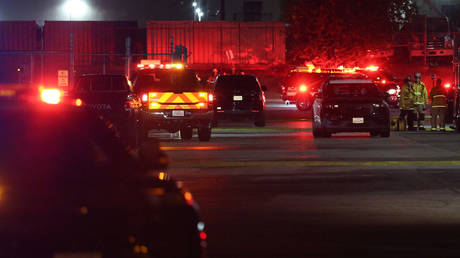
Three lives ended in a blinding flash of orange and black over Southern California when a news helicopter plummeted from the sky, detonating upon impact and instantly transforming a routine aerial broadcast mission into a blazing wreckage site. The disaster claimed the pilot and two crew members, exposing the grim operational realities that persist in the high-stakes world of live-shot journalism. When networks race to broadcast breaking stories from above, safety protocols often clash with the relentless demand for immediate visual coverage.
We have seen this script before. Decades of aviation safety reports, National Transportation Safety Board recommendations, and grieving families have pointed to the inherent dangers of low-altitude urban reporting. Yet, the pressure to maintain an eye in the sky remains unrelenting.
The Anatomy of an Aerial Hazard
Operating a rotorcraft in a crowded metropolitan airspace requires a precarious balance between navigation and observation. Pilots are not merely flying; they are managing camera angles, tracking fast-moving ground events, listening to multiple radio frequencies, and communicating with assignment editors on the ground. Cognitive overload is an invisible passenger on every flight.
Urban environments present an unforgiving canvas of obstacles. Power lines stretch like invisible tripwires across suburban neighborhoods. High-rise construction cranes sprout overnight without adequate notification on standard aeronautical charts. When a breaking news event occurs, standard flight paths are routinely abandoned in favor of tight orbits, aggressive maneuvering, and low-altitude hovering over congested roadways or burning structures.
The pursuit of the exclusive angle routinely forces aircraft into microclimates and turbulence zones that fixed-wing commercial pilots avoid entirely. Thermal updrafts from large fires, erratic wind shears bouncing off concrete skyscrapers, and blinding glare from the afternoon sun create a hazardous operational cocktail.
The Economics of the Lens
Behind every hovering news helicopter is a corporate ledger balancing the immense operating costs against advertising revenue and brand prestige. Maintaining a turbine-powered aircraft, employing specialized pilots, and covering skyrocketing insurance premiums demands a significant financial commitment. Consequently, when budgets tighten, maintenance schedules, pilot rest periods, and advanced safety equipment are frequently scrutinized.
While technological advancements such as high-definition drones and remote-controlled gimbal cameras have proliferated, major broadcasters still rely on manned helicopters for range, endurance, and the undeniable production value of live aerial footage. The public expects a bird's-eye view of every major catastrophe, high-speed pursuit, or wildfire. This insatiable appetite for immediate visual spectacle creates a perverse incentive structure where the risk profile of the mission escalates in direct proportion to viewer interest.
Regulatory frameworks have evolved, yet enforcement remains reactive rather than proactive. The Federal Aviation Administration sets baseline operational standards, but the specific pressures applied by newsroom managers to beat a rival network to a scene fall into a gray area of corporate culture. A pilot who calls off a flight due to marginal weather or excessive fatigue risks professional marginalization in an industry that rewards bravado and availability.
Shifting the Paradigm of Risk
Preventing future tragedies requires dismantling the normalization of deviance that plagues aviation journalism. When minor safety violations or risky maneuvers become routine because "nothing went wrong last time," an organization is simply borrowing time against an inevitable catastrophe.
Independent safety audits for media flight operations must become mandatory, decoupled from the financial influence of news directors who prioritize ratings over risk assessment. Furthermore, the mandatory implementation of flight data monitoring systems can provide objective oversight of operational parameters, catching dangerous habits before they translate into fatal trajectories.
The sky above our cities should not serve as a graveyard for professionals simply trying to capture the day's events. Until media executives, regulators, and viewers confront the true human cost of live aerial coverage, the cycle of preventable accidents will continue to spin out of control.



