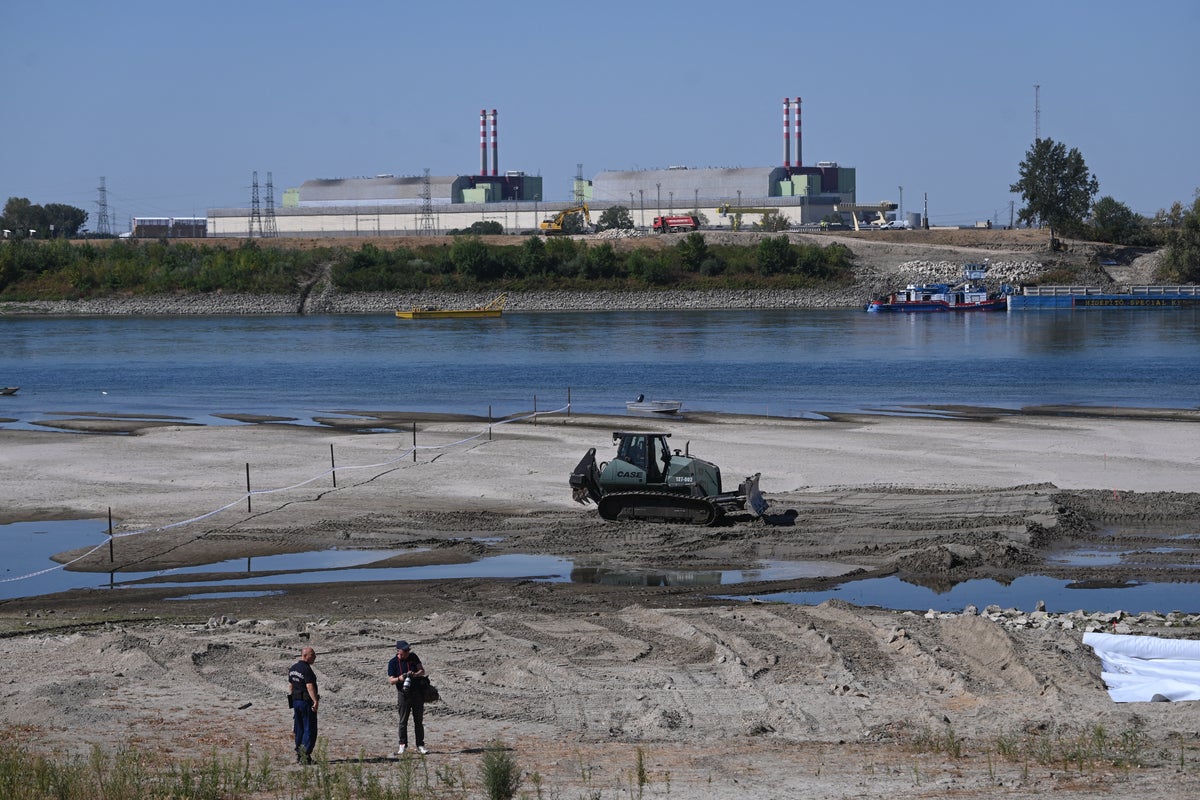
The headlines are running scared. Environmental blogs and mainstream news feeds are hyperventilating over a frantic engineering band-aid on the Danube. Hungary dropping two barges near a nuclear power plant as water levels flatline sounds like a dystopian panic move.
The lazy consensus says this is a climate crisis anomaly. A freak accident of nature catching an aging nuclear facility with its pants down.
That narrative is comfortable. It is also completely wrong.
Dropping barges into a shallow river channel is not a sign of collapse. It is a symptom of systemic strategic laziness. For decades, industrial planners treated rivers as infinite liquid conveyor belts. Nobody built for volatility because volatility was bad for quarterly budgets. Now, the river is calling the bluff, and everyone is acting shocked that hydro-thermal physics does not care about your municipal water permits.
Let us look at the mechanics everyone is missing.
The Thermodynamic Reality Nobody Talks About
Thermal power plants do not consume water the way a thirsty human drinks a glass of lemonade. They borrow it. They pull cool water from a natural source, push it through condensers to absorb waste heat from the turbine cycle, and return it downstream warmer.
The bottleneck is never just volume. It is delta-T. Temperature differential.
When a river shrinks and bakes under a summer heatwave, the intake temperature spikes. If the intake water is already too warm, the plant cannot shed heat efficiently. Thermodynamics dictates that efficiency plummets. Push the intake temperature too high, and you trip safety limits. You have to throttle generation or shut the reactor down entirely to prevent cooking the local aquatic ecosystem.
Hungary dropping barges is a desperate local hydrodynamic tweak. They are trying to force a localized constriction, accelerating current velocity and scouring or redirecting flow toward the intake channels to keep the pumps primed.
It is a clever thumb in the dike. It is also an admission of failure.
I have watched industrial operators burn millions of dollars on emergency dredging and temporary flow diverters because they refused to design for the worst-case statistical tail. They build for the average year. Rivers do not live in the average. They live in extremes.
Why the Environmental Panic is Misplaced
The knee-jerk reaction from green advocates focuses on the immediate local disruption of dumping steel hulls into a vital waterway. They scream about habitat fragmentation and industrial intrusion.
They are aiming at the wrong target.
The real environmental tragedy is not the barges. The real tragedy is that we are operating high-capacity baseload energy assets on river systems that are fundamentally unmanaged for modern climate volatility, while pretending that a temporary structural band-aid constitutes a long-term water security strategy.
If you rely on a run-of-the-river intake for a multi-gigawatt nuclear installation without closed-loop cooling towers or deep-reservoir backup storage, you do not have an energy policy. You have a prayer strategy.
Let us dismantle the common questions surrounding this mess.
Is the nuclear plant in immediate danger of a meltdown?
No. Modern reactor safety systems are aggressively conservative. Long before core integrity is threatened, automated safety protocols will trip the plant offline. The danger is not a cinematic catastrophe. The danger is the grid losing gigawatts of clean baseload power precisely when air conditioning demand is maxing out the system. You trade a core threat for a black-out threat.
Can barges actually fix low water levels?
Locally, yes. Hydraulics is about manipulating velocity and pressure gradients. By restricting a cross-section, you force water speed to increase, which can temporarily prevent sediment buildup and maintain minimum submergence depth for intake pumps. Globally, it is a rounding error. It changes nothing about the upstream watershed deficit or regional precipitation trends.
The Uncomfortable Solution
Stop trying to fix the river with scrap metal.
If we want zero-emission baseload power to survive the next thirty years of hydrological shocks, we need to abandon the conceit that once-through cooling is acceptable. Facilities like the Paks plant in Hungary, and dozens of aging assets across Europe and North America, need mandatory capital injections for closed-loop cooling infrastructure, cooling towers, and deep thermal buffers.
Yes, cooling towers drop plant efficiency by a couple of percentage points. Yes, they cost serious capital.
Compare that minor operational penalty to the cost of emergency barge drops, regulatory scrambles, and sudden grid shedding when a heatwave turns a river into a warm puddle.
The engineers on the ground in Hungary are doing what they can with the bad cards they were dealt. But the executives and policy-makers who let them get to this point deserve every bit of the crisis they are now scrambling to manage.
The river is not drying up by accident. It is exposing every shortcut we took in the twentieth century. Stop pretending a couple of sunken barges is a masterclass in adaptation. It is a warning shot.
Listen to it, or turn the lights off.